
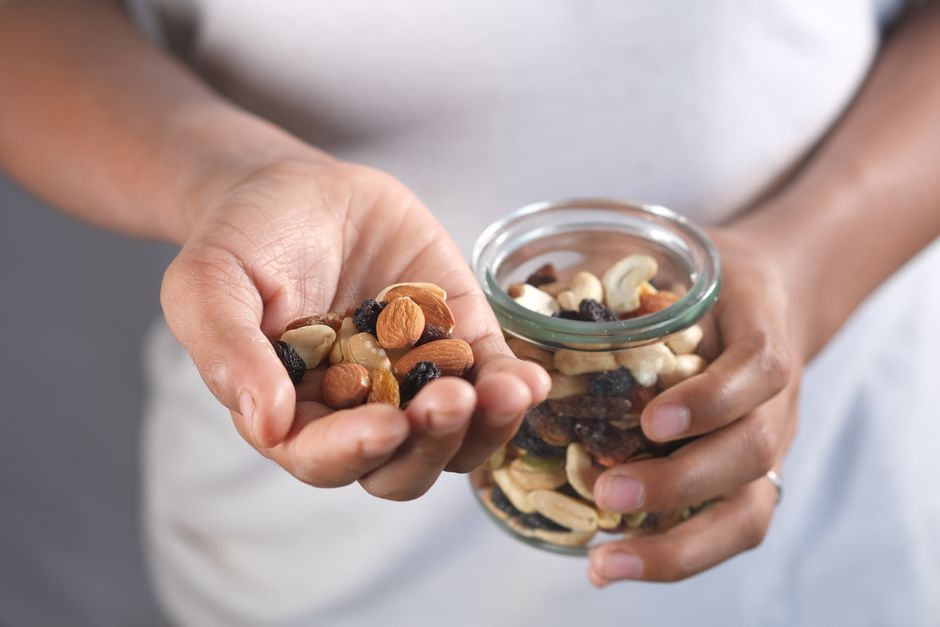
If you are looking for nuts that pack the most protein while keeping fat low, almonds and pistachios lead the pack. Almonds offer about 6 grams of protein per ounce with 14 grams of fat. Pistachios provide roughly 6 grams of protein and 13 grams of fat per ounce. No nut is truly low in fat, but these two give you the best protein-to-fat ratio. Peanuts, which are technically legumes, also deliver 7 grams of protein per ounce but come with 14 grams of fat.
Which Nuts Have The Most Protein And Least Fat? A Clear Breakdown
The answer depends on how you measure it. By protein per ounce, peanuts win with 7 grams. Almonds and pistachios follow closely at 6 grams. By fat content per ounce, cashews have the least at 12 grams, then pistachios at 13 grams, and almonds at 14 grams. But the lowest fat nut overall is the chestnut, with less than 1 gram of fat per ounce. Chestnuts are mostly starch and water, so they only have about 1 gram of protein per ounce. That trade-off matters if protein is your priority.
If you want the best balance of high protein and low fat, almonds and pistachios are your best everyday choices. They give you solid protein without excessive fat compared to other nuts. For comparison, macadamia nuts have only 2 grams of protein and 21 grams of fat per ounce. Pecans offer 3 grams of protein and 20 grams of fat. Walnuts provide 4 grams of protein and 18 grams of fat. The difference between nut types is significant.
What Does the Research Say About Nut Protein and Fat Content?
The USDA FoodData Central system provides the standard reference values for nutrient content. Their data shows that peanuts contain 7.3 grams of protein and 14.1 grams of fat per 1-ounce serving. Almonds contain 6.0 grams of protein and 14.0 grams of fat. Pistachios contain 5.7 grams of protein and 12.9 grams of fat. These numbers are consistent across multiple tested samples.
Research published in the journal Nutrients has examined how nut consumption affects body weight and heart health. Studies have found that people who eat nuts regularly do not gain more weight than those who avoid them. This is partly because nuts are satiating. The protein and fiber in nuts help you feel full, which can reduce overall calorie intake. The fat in nuts is mostly unsaturated, which supports heart health rather than harming it.
A 2019 analysis in BMJ Nutrition, Prevention & Health looked at nut consumption and cardiovascular disease risk. It found that eating nuts daily was linked to a lower risk of heart disease. The protein content was not the main driver of this benefit. The combination of healthy fats, fiber, vitamins, and minerals likely matters more than any single nutrient.
How Does Protein Quality Compare Between Different Nuts?
Protein content is only part of the story. Protein quality matters too. The body needs all essential amino acids to build and repair tissue. Most nuts are low in the amino acid lysine. This makes their protein incomplete. Peanuts are slightly better because they have more lysine than tree nuts. But no nut matches animal protein or soy in completeness.
This does not mean nut protein is useless. Your body still uses it effectively as part of a mixed diet. If you eat nuts with grains, legumes, or animal foods, the amino acids from different sources complement each other. For example, eating almonds with whole wheat bread provides a better amino acid profile than either food alone. The practical takeaway is simple. Nuts are a good protein source, but do not rely on them as your only protein.
| Nut (1 ounce) | Protein (grams) | Total Fat (grams) | Saturated Fat (grams) |
|---|---|---|---|
| Peanuts | 7.3 | 14.1 | 2.0 |
| Almonds | 6.0 | 14.0 | 1.1 |
| Pistachios | 5.7 | 12.9 | 1.7 |
| Cashews | 5.1 | 12.4 | 2.2 |
| Walnuts | 4.3 | 18.5 | 1.7 |
| Hazelnuts | 4.2 | 17.0 | 1.3 |
| Pecans | 2.6 | 20.4 | 1.8 |
| Macadamia | 2.2 | 21.5 | 3.4 |


Does Roasting or Processing Change Protein and Fat Content?
Dry roasting does not significantly change the protein or fat content of nuts. The heat can slightly reduce moisture, which makes the nutrients more concentrated by weight. But the difference is small. A dry-roasted almond still has roughly the same protein and fat as a raw almond. Oil roasting is different. It adds fat. Oil-roasted nuts can have 2 to 4 grams more fat per ounce than raw or dry-roasted versions.
Salt and flavorings add sodium and sometimes sugar. They do not affect protein or fat. But they can make you eat more. A 2017 study in Appetite found that people ate more salted nuts than unsalted ones in a single sitting. If you are watching your fat intake, the added fat from oil roasting matters. Choose dry-roasted or raw nuts to avoid extra fat and sodium. The protein content stays the same either way.
Butter and flour forms of nuts change the serving size math. Almond butter has about 7 grams of protein per 2-tablespoon serving, which is roughly the same as a 1-ounce serving of whole almonds. But it is very easy to eat more than 2 tablespoons. Nut flours, like almond flour, have similar protein to whole nuts by weight. They are fine for baking but do not offer the same satiety as whole nuts because they lack the structure that requires chewing.
Common Misconceptions About Nut Protein and Fat
A widespread myth is that nuts are fattening and should be avoided. The evidence does not support this. A 2013 study in the American Journal of Clinical Nutrition reviewed 31 trials and found that nut consumption was not linked to weight gain. In some cases, people who ate nuts lost more weight than those who did not. The fat in nuts is not automatically stored as body fat. The body uses some of it for energy and excretes some of it undigested.
Another misconception is that all nut proteins are equal. They are not. Peanuts have a better amino acid profile than most tree nuts. But peanuts are legumes, not true nuts. Some people with nut allergies can eat peanuts safely, but many cannot. Always check with a doctor if allergies are a concern. The idea that raw nuts are always healthier than roasted nuts is also overstated. Dry roasting does not destroy protein or create harmful compounds in meaningful amounts. The bigger issue is added salt and oil, not the roasting itself.
Some people believe that eating nuts with skin on provides more protein. The skin contains fiber and antioxidants but negligible protein. Removing the skin does not reduce protein content. It mainly reduces fiber and some micronutrients. If you dislike the texture of skins, peeled nuts are fine for protein.
Practical Tips for Including High-Protein Nuts in Your Diet
If your goal is to maximize protein while keeping fat reasonable, here are the best choices:
- Almonds: 6 grams protein, 14 grams fat per ounce. Easy to find and versatile.
- Pistachios: 6 grams protein, 13 grams fat per ounce. The shell slows you down, which helps with portion control.
- Peanuts: 7 grams protein, 14 grams fat per ounce. The highest protein option, but technically a legume.
Portion size matters more than people realize. One ounce is about a small handful, or roughly 23 almonds, 49 pistachios, or 28 peanuts. Pre-portioning nuts into small bags or containers prevents overeating. A food scale is the most accurate way to measure. A 1-ounce serving of nuts provides about 160 to 200 calories, depending on the type.
Pairing nuts with other protein sources can improve the overall amino acid profile. For example, add almonds to oatmeal or yogurt. Sprinkle pistachios on a salad with chickpeas. Eat peanuts with a whole grain cracker. These combinations give you a more complete protein without needing animal foods. The fiber and healthy fats in nuts also slow digestion, which helps you feel full longer.
Storage matters for freshness. Nuts contain unsaturated fats that can go rancid. Store them in an airtight container in a cool, dark place. For longer storage, keep them in the refrigerator or freezer. Rancid nuts taste bad and may have lower nutrient value. They are not dangerous in small amounts, but they are not pleasant to eat. Buy nuts in quantities you will use within a few weeks to maintain quality.
Frequently Asked Questions
Which nut has the highest protein per ounce?
Peanuts have the highest protein at about 7.3 grams per ounce. Almonds and pistachios follow with about 6 grams each.
Are nuts with lower fat always better for you?
Not necessarily. Lower fat nuts like chestnuts have very little protein. The best choice depends on whether you prioritize protein, fat, or overall nutrient density.
Can eating nuts help with weight loss?
Some studies suggest nuts can support weight management because they increase fullness. The evidence does not show that nuts cause weight gain despite their fat content.
Do roasted nuts have less protein than raw nuts?
No. Dry roasting does not significantly change protein content. Oil roasting adds extra fat but does not remove protein.
