
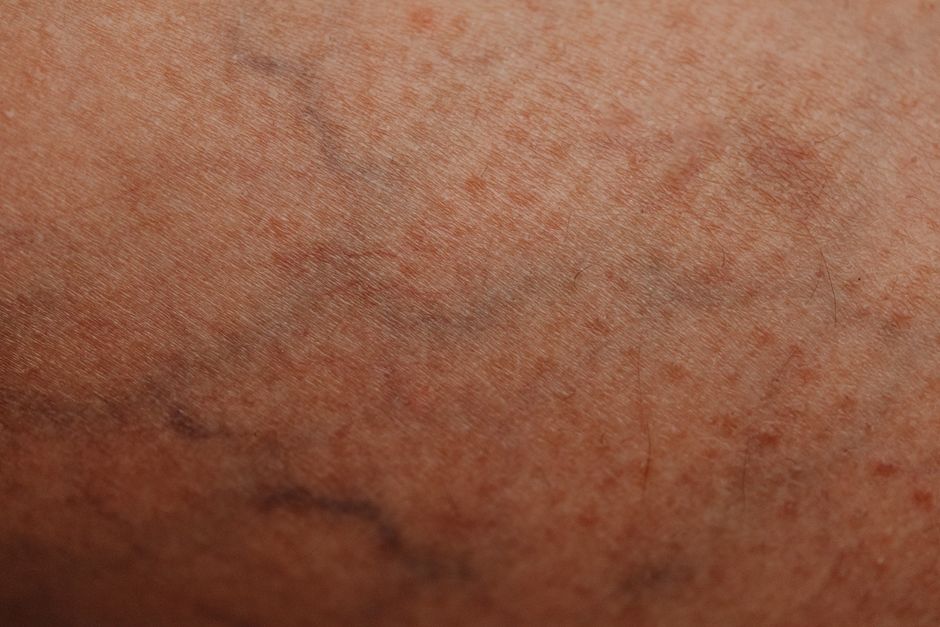
Varicose veins are swollen, twisted veins that show up most often on the legs and feet. You cannot erase them with exercise or diet alone, but you can ease symptoms and slow them from getting worse. Medical procedures can close or remove the damaged veins, and for most people those treatments work well.
About one in three adults develops them at some point, and they become more common with age. They are not just a cosmetic problem. For some people they cause aching, heaviness, and swelling that gets worse as the day goes on.
What Actually Causes Varicose Veins?
Veins in your legs carry blood upward to your heart. They have one-way valves that open to let blood through and close to stop it from flowing back down. When those valves weaken or fail, blood pools in the vein. The vein stretches, twists, and bulges near the surface of the skin.
This is a mechanical problem, not a nutritional one. That matters because it explains why creams, supplements, and most lifestyle changes cannot reverse it. They may ease symptoms, but they do not repair a valve that no longer closes.
Several things raise your risk:
- Genetics. If a parent had varicose veins, your odds go up.
- Age. Valve walls lose strength over time.
- Pregnancy. Extra blood volume and pressure from the uterus play a role.
- Standing or sitting for long stretches without moving.
- Higher body weight, which adds pressure on leg veins.
Women develop varicose veins more often than men. Hormonal changes during pregnancy, menopause, and some phases of the menstrual cycle are thought to relax vein walls, though the exact role of hormones is still being studied. Spider veins are a related but milder issue. They are small, thin, web-like veins close to the skin and rarely cause pain.
One thing worth knowing: varicose veins are not caused by crossing your legs or wearing tight socks. Those are common beliefs, but the evidence does not support them.
When Should You See a Doctor About Varicose Veins?
See a doctor if the veins are painful, if your legs feel heavy or swollen, or if skin changes appear near your ankle. Those skin changes matter. Discoloration, dryness, or a thickening of the skin around the ankle can signal a circulation problem that needs medical attention.
Get care right away if you have:
- A vein that becomes red, hot, and tender
- Sudden swelling in one leg
- Bleeding from a vein
- A sore or wound near a vein that is not healing
These can point to a blood clot, infection, or a wound that needs treatment. Varicose veins themselves are usually not dangerous. But in rare cases they can lead to problems like superficial blood clots, bleeding, or skin ulcers that need medical care.
Many people put off seeing a doctor because they think it is only about looks. That is a mistake. A doctor can check whether the problem is cosmetic or whether it is affecting circulation.
How To Fix Varicose Veins With Medical Treatment
No home remedy removes a varicose vein. Procedures done by a doctor can close or take out the damaged vein, and blood then reroutes through healthier veins nearby. This is the closest thing to a fix that exists.
Common options include:
- Sclerotherapy. A solution is injected into the vein, which scars and closes it. Used for smaller veins and spider veins.
- Endovenous laser or radiofrequency ablation. Heat closes the vein from the inside using a thin catheter. Often used for larger veins.
- Vein stripping or phlebectomy. Surgery to remove larger veins through small cuts. Less common now that less invasive methods exist.
Most of these are done as outpatient procedures. Recovery time varies. Sclerotherapy usually allows a quick return to normal activity, while surgery takes longer. Your doctor will match the method to the size and location of your veins.
There is a real chance veins come back after treatment. Procedures treat the veins you have now. They do not stop new ones from forming, especially if you have a strong family history. This is why follow-up matters.
Insurance coverage varies. Many plans cover treatment when there are symptoms like pain or skin changes, but not when the reason is purely cosmetic. It is worth checking before you schedule anything.


What Can You Do at Home to Ease Symptoms?
Home measures will not make varicose veins disappear, but they can reduce aching and heaviness. Think of them as comfort tools, not cures.
What may help:
- Compression stockings. These squeeze the leg to help blood move upward. They are one of the most studied home measures for symptom relief. Fit matters, so ask a doctor or pharmacist about the right strength.
- Elevating your legs. Raising your legs above heart level for short periods lets gravity help drain pooled blood.
- Moving regularly. Walking and calf raises pump blood back toward the heart. Long periods of standing or sitting still work against you.
- Cooling the area. A cool compress may calm the throbbing after a long day on your feet.
Compression stockings ease symptoms for many people. They do not repair valves or remove veins. If you have poor circulation or diabetes, talk to a doctor before using them, since the wrong pressure can cause problems.
Some people find relief from these steps. Others do not. If symptoms keep interfering with your day, that is a sign to look at medical treatment rather than pushing harder on home care.
Do Supplements and Creams for Varicose Veins Work?
There is no strong evidence that any supplement or cream removes varicose veins. Products marketed for vein health usually claim to “support circulation” or “strengthen veins.” Those claims are not backed by large human trials showing they change the veins themselves.
Some ingredients, like horse chestnut extract, have been studied for leg swelling and heaviness. Results are mixed, and quality varies widely between products. Even where a benefit is suggested, it is for symptoms, not for making the veins go away.
A few cautions:
- Supplements are not tightly regulated the way drugs are. What is on the label is not always what is in the bottle.
- Some can interact with blood thinners and other medications.
- None are a substitute for a medical evaluation if you have pain or skin changes.
If you want to try one, tell your doctor first. That is not a formality. It is how you avoid a problem.
Can You Prevent Varicose Veins From Getting Worse?
You cannot fully prevent varicose veins, especially if they run in your family. But you can lower the pressure on your leg veins and reduce how fast they progress.
Steps that make sense:
- Stay active. Walking and other leg movement help blood flow.
- Avoid standing or sitting in one spot for long periods. Shift your weight or take short walks.
- Keep a healthy weight. Extra weight adds pressure to leg veins.
- Elevate your legs when you rest.
- Wear compression stockings if your doctor suggests them.
None of these will reverse veins you already have. They may slow new ones and ease day-to-day discomfort. That is an honest limit worth knowing before you spend money on products that promise more.
If you are pregnant, varicose veins often improve in the months after delivery. That is one case where the veins can get better on their own, though they may not fully go away.
Frequently Asked Questions
Can varicose veins go away on their own?
Varicose veins rarely go away on their own, though veins that appear during pregnancy often improve after delivery. For most people, they stay the same or slowly get worse without treatment.
What is the best treatment for varicose veins?
There is no single best treatment, because the right choice depends on the size and location of your veins. Sclerotherapy and heat-based ablation are common, effective options for many people, and a doctor can match the method to your case.
Do compression stockings fix varicose veins?
Compression stockings ease symptoms like aching and swelling, but they do not repair or remove the veins. They are a comfort measure, not a cure.
Are varicose veins dangerous?
Varicose veins are usually not dangerous, but they can sometimes lead to blood clots, bleeding, or skin ulcers. See a doctor if you have pain, sudden swelling in one leg, or skin changes near your ankle.
