
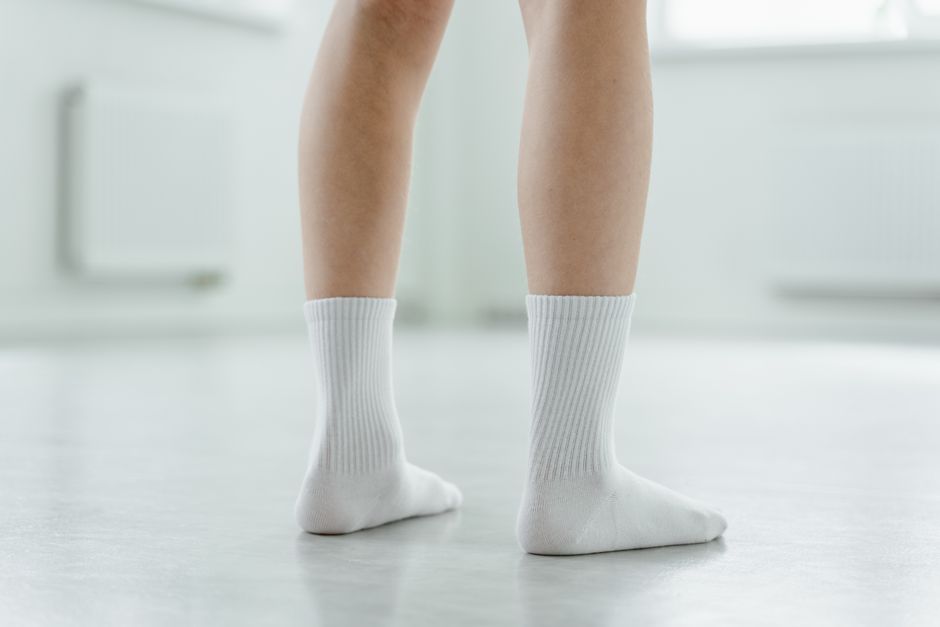
If you have varicose veins, you have likely wondered if compression socks are worth the effort. The short answer is yes, compression socks are one of the most effective non-surgical tools for managing the symptoms of varicose veins. They do not cure the veins or make them disappear, but they consistently reduce pain, swelling, and the heavy feeling in your legs. Medical guidelines widely support their use, and most vascular specialists recommend them as a first-line treatment for symptom relief.
What Are Varicose Veins and Why Do They Hurt?
Varicose veins are swollen, twisted veins that appear just under the skin, usually in the legs. They happen when the one-way valves inside your veins stop working properly. These valves normally keep blood moving upward toward your heart. When they fail, blood pools in the vein, causing it to stretch and bulge.
That pooling blood is what causes most of your symptoms. The extra pressure in the vein leaks fluid into the surrounding tissue, which leads to swelling. The stretched vein wall triggers pain receptors. The sluggish blood flow creates that dull, achy, heavy feeling many people describe. Over time, the skin around the vein can become itchy, dry, or discolored.
Genetics play a major role. If your parents had varicose veins, you are more likely to develop them. Pregnancy, standing for long hours at work, and age all increase your risk. Being overweight adds pressure to your leg veins as well. Women develop them more often than men, partly due to hormonal changes.
How Compression Socks Actually Work
Compression socks work by doing the job your vein valves no longer do. They squeeze your legs from the outside, applying the greatest pressure at the ankle and gradually less pressure higher up the leg. This gradient pressure pushes blood upward, against gravity, and back toward your heart.
This external pressure serves several purposes. It narrows the diameter of your veins, which increases blood flow velocity. Faster-moving blood is less likely to pool. The pressure also reduces the amount of fluid leaking out of the veins into your tissues, which directly reduces swelling. By supporting the vein walls, the socks reduce the stretching that causes pain.
The effect is immediate and mechanical. It is not a chemical change in your body. As soon as you put the socks on, the pressure starts working. When you take them off, the effect fades. This is why compression therapy requires daily use to be effective.
What the Evidence Shows About Symptom Relief
Research consistently shows that compression stockings reduce pain, swelling, and the heavy feeling associated with varicose veins. Multiple clinical trials have compared people wearing compression stockings to those not wearing them. The results are clear: people in compression stockings report significantly less leg pain and swelling.
The evidence is strongest for the daily symptoms. Aching, throbbing, and leg fatigue all improve with regular use. Swelling, especially at the end of the day, is noticeably reduced. Many people find they can stand or sit for longer periods without discomfort when wearing compression socks.
What the evidence does not show is that compression socks make varicose veins go away. They do not repair damaged valves. They do not remove the bulging veins. Some research suggests they may slow the progression of the disease, but the evidence for this is less certain. The primary proven benefit is symptom management, not cure.
One common misconception is that compression socks prevent new varicose veins from forming. The evidence on this is mixed. Some studies suggest they may help, particularly in people with high-risk occupations like nursing or teaching. But no large trial has definitively proven that compression socks stop new veins from developing.


Choosing the Right Compression Level
Compression socks come in different pressure levels, measured in millimeters of mercury, or mmHg. The right level depends on your symptoms and the severity of your vein disease. Over-the-counter options typically range from 15 to 20 mmHg. These are mild compression and work well for minor achiness, mild swelling, or leg fatigue from long days on your feet.
For more significant varicose veins, doctors often prescribe 20 to 30 mmHg. This level requires a prescription in many cases. It provides noticeably more pressure and is the most common level used in clinical studies on varicose vein symptoms. Some people need 30 to 40 mmHg for severe swelling or after certain vein procedures, but this level is usually managed by a specialist.
You should not guess your compression level. A doctor or a certified fitter can measure your legs and recommend the appropriate pressure. Wearing socks that are too tight can cause discomfort, numbness, or even skin damage. Wearing socks that are too loose will not help your symptoms.
Fit matters as much as pressure. The sock must be snug at the ankle and gradually loosen up the leg. A poorly fitted sock that bunches at the knee or squeezes too tightly in one spot can actually worsen blood flow. Professional fitting is worth the effort.
When to Wear Them and How Long to See Results
You should put compression socks on in the morning before you get out of bed. This is when your legs are least swollen. Once you stand up, fluid starts pooling, and it becomes harder to get the socks on properly. The socks should stay on all day and be removed before bed.
You will likely notice some improvement on the first day. The swelling reduction is often immediate. Pain relief may take a few days of consistent use. Most people who stick with daily wear report meaningful symptom improvement within one to two weeks.
Consistency is the key factor. Wearing compression socks occasionally, like only on days when your legs feel bad, will not give you the same results. The pressure needs to be applied daily to keep fluid from accumulating. Think of it like brushing your teeth: the benefit comes from regular use, not occasional effort.
Compression socks do not work while you are lying down. When you are horizontal, your heart does not need help pumping blood back from your legs. Wearing them at night offers no benefit and can be uncomfortable.
Do Compression Socks Prevent Blood Clots?
This is a separate question from varicose veins, and the answer requires some clarity. Compression socks do help prevent deep vein thrombosis, or DVT, in certain high-risk situations. This is why hospitals put them on surgical patients and why they are recommended on long flights.
However, having varicose veins does not automatically mean you are at high risk for blood clots. Most people with varicose veins do not develop DVT. The compression socks help with your varicose vein symptoms, but they should not be thought of as clot prevention for your specific situation unless your doctor has told you otherwise.
If you have a history of blood clots, or a family history of them, talk to your doctor before using compression socks. In some situations, prescription-strength compression is part of a broader clot prevention plan. But for the average person with varicose veins, the benefit of compression socks is symptom relief, not clot prevention.
When Compression Socks Are Not Enough
Compression therapy is a management tool, not a permanent fix. Many people use them successfully for years. But if your symptoms worsen despite consistent use, or if the pain becomes severe, you may need to consider other options.
Skin changes are a warning sign. If the skin over your varicose veins becomes hard, dark, or develops an open sore, see a doctor. This can indicate a more advanced stage of vein disease. Bleeding from a varicose vein is also a medical concern that requires prompt attention.
Modern vein treatments are much less invasive than they used to be. Endovenous ablation uses heat or laser to close the damaged vein from the inside. Sclerotherapy involves injecting a solution that makes the vein collapse. These procedures are done in a doctor’s office with minimal downtime. They are generally effective at eliminating the specific veins causing your symptoms.
Many people use compression socks after these procedures as part of their recovery. The socks help reduce bruising and swelling and support the healing process. Your doctor will give you specific instructions about how long to wear them after treatment.
Common Mistakes People Make With Compression Socks
One of the most common mistakes is choosing socks that are too tight at the top. If the band digs into your leg, it can restrict blood flow rather than help it. The pressure should be greatest at the ankle and lightest at the top. This is called graduated compression, and it is essential for proper function.
Another mistake is wearing compression socks that are the wrong size. Socks that are too small create painful pressure points. Socks that are too large slide down and bunch up, which can actually impede circulation. Measure your legs regularly, especially if you have gained or lost weight.
People sometimes stop wearing their socks because they are uncomfortable. This is often a fitting issue. A properly fitted compression sock should feel snug but not painful. If it hurts, it is the wrong size or the wrong compression level. Do not just tolerate the discomfort; get refitted.
Washing your compression socks properly matters too. They lose their elasticity over time, which reduces their effectiveness. Most manufacturers recommend hand washing in cold water and air drying. Heat from a dryer destroys the elastic fibers. Replace your socks every three to six months, or sooner if they lose their snugness.
Frequently Asked Questions
Do compression socks make varicose veins go away?
No, compression socks do not cure varicose veins or make them disappear. They relieve symptoms like pain and swelling by improving blood flow, but the damaged veins remain.
What level of compression is best for varicose veins?
Mild compression of 15 to 20 mmHg works for minor symptoms, while 20 to 30 mmHg is the most common prescription level for significant varicose veins. Your doctor should recommend the right level based on your condition.
How long should I wear compression socks each day?
You should wear them all day, from morning until bedtime, and remove them while sleeping. Daily consistent use is necessary for symptom relief to continue.
Can compression socks damage your legs?
Compression socks are safe when properly fitted and worn as directed. Socks that are too tight, or worn inappropriately, can cause skin irritation, numbness, or reduced blood flow in rare cases.
