
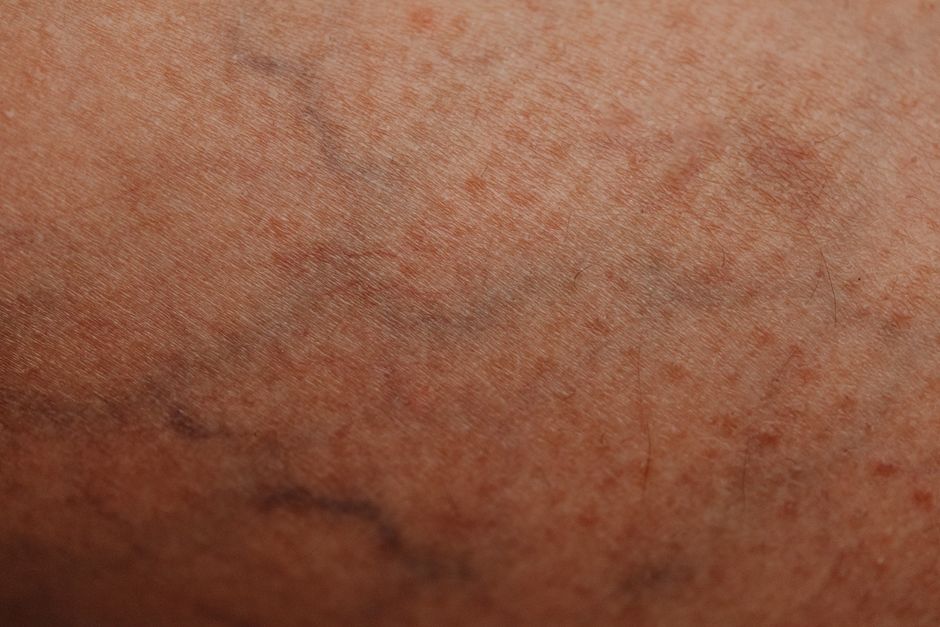
Varicose veins are twisted, swollen veins that appear just under the surface of your skin, most often on your legs. They happen when the one-way valves inside your veins stop working properly, allowing blood to pool instead of flowing back up to your heart. While they are extremely common, certain factors like age, genetics, pregnancy, and prolonged standing or sitting increase your odds of developing them.
What Exactly Causes Varicose Veins to Form?
Your arteries carry blood from your heart to the rest of your body. Your veins carry it back. In your legs, this return trip is an uphill battle against gravity. To make it happen, your calf muscles squeeze the deep veins as you move, pushing blood upward.
Inside your veins are tiny, one-way flaps called valves. These valves open to let blood through and then close tightly to stop it from flowing backward. When these valves weaken or fail, blood leaks backward and pools in the vein. The extra pressure stretches the vein walls, making them bulge and twist. That is the mechanical cause of varicose veins.
This is a structural problem, not a surface one. The bulging you see is a sign that pressure is building up in the veins beneath the skin. Over time, that pressure can also cause swelling, aching, and skin changes if left unaddressed.
Why Do I Have Varicose Veins: Causes And Risk Factors
The biggest risk factor for varicose veins is simply getting older. As you age, the valves in your veins naturally lose their elasticity and strength. They become less able to close completely, so blood is more likely to leak backward. This is a slow, gradual process.
Genetics also play a major role. If your mother, father, or siblings have varicose veins, you are significantly more likely to develop them yourself. The tendency for weak vein walls and faulty valves runs in families.
Pregnancy is another common trigger. During pregnancy, your blood volume increases to support the growing baby. At the same time, hormone changes relax the walls of your veins. The growing uterus also presses on the veins in your pelvis, which increases pressure in the leg veins. Many women first notice varicose veins during pregnancy, and they often improve after delivery.
Being overweight or obese raises the pressure inside your veins. Extra weight, especially around your abdomen, compresses the veins in your pelvis and legs, making it harder for blood to return to the heart.
Your daily habits matter too. Standing or sitting for long periods without moving keeps your calf muscles inactive. Without those muscle contractions, blood does not get pushed upward efficiently, and it pools in your lower legs.
What Other Factors Increase Your Risk?
Biological sex is a clear risk factor. Women develop varicose veins more often than men. This is largely tied to female hormones, which tend to relax vein walls. Hormonal changes from puberty, pregnancy, menopause, and the use of birth control pills can contribute.
A history of blood clots is another important factor. If you have had deep vein thrombosis, the clot can damage the valves inside the vein. This damage can lead to chronic venous insufficiency and varicose veins years later.
Constipation and chronic straining can also contribute. Straining on the toilet increases pressure in your abdomen, which transmits down to the veins in your legs. This is the same reason varicose veins are more common in people who carry extra abdominal weight.
Wearing tight clothing that restricts blood flow in your waist, groin, or legs may also be a factor, though the evidence here is less clear than for the other risk factors. The main issue is anything that restricts normal venous flow.



Are Varicose Veins Dangerous or Just a Cosmetic Concern?
For many people, varicose veins are a cosmetic issue. They cause no pain and no health problems. But for others, they produce real symptoms that affect daily life.
Common symptoms include a heavy, achy feeling in the legs, burning, throbbing, muscle cramping, and swelling in the lower legs and ankles. Symptoms often worsen after sitting or standing for long periods and improve with walking or elevating the legs.
In some cases, varicose veins lead to complications. The skin around the vein can become itchy, dry, or discolored. In more advanced cases, the skin can harden and even ulcerate. These venous ulcers are slow to heal and require medical care.
Another possible complication is superficial thrombophlebitis, which is inflammation and clotting in a vein just under the skin. This causes redness, warmth, and a tender cord-like feeling in the leg. It is different from deep vein thrombosis, which is a more serious condition, but it still warrants medical evaluation.
Bleeding can also occur if a varicose vein is bumped or scratched. Because the vein is under high pressure, bleeding can be heavy and difficult to stop.
Can You Prevent Varicose Veins From Getting Worse?
You cannot change your genetics, your age, or the fact that you were pregnant. But you can influence several modifiable risk factors.
Regular physical activity is one of the most effective strategies. Walking, swimming, and cycling all activate your calf muscles, which helps pump blood out of your legs. Aim for movement that gets your legs working throughout the day.
If you stand or sit for work, take short breaks every 30 minutes. Walk around for a minute or two, or simply rise up on your toes and lower back down a few times. This simple movement contracts the calf muscles and helps move blood.
Elevating your legs above the level of your heart for 15 minutes a few times a day can help drain pooled blood. This is a simple, low-effort measure that provides relief for many people.
Maintaining a healthy weight reduces the pressure on your leg veins. Even modest weight loss can ease symptoms if you are overweight.
Wearing compression stockings is a common recommendation. These stockings apply graduated pressure, which is tightest at the ankle and looser higher up. This helps the veins push blood upward. Some clinicians recommend them for symptom relief and to slow progression, though results vary by individual.
When Should You See a Doctor?
You should see a doctor if your varicose veins cause significant pain, swelling, or skin changes. You should also seek medical attention if the skin over the vein becomes red, warm, or tender, or if a vein begins to bleed.
If you develop a sudden, severe swelling in one leg, especially with pain and redness, seek medical care promptly. This could be a sign of deep vein thrombosis, which is a serious condition that requires immediate treatment.
Ulcers or non-healing sores on the lower leg are another reason to seek care. These indicate advanced venous disease and can become infected if not treated properly.
Treatment options range from lifestyle changes and compression stockings to minimally invasive procedures like laser therapy, radiofrequency ablation, or sclerotherapy. In more severe cases, surgery may be recommended. The right approach depends on the size of the veins, your symptoms, and your overall health.
Frequently Asked Questions
Can varicose veins go away on their own?
No, varicose veins do not go away without treatment. The damaged valves do not repair themselves, though symptoms may improve with lifestyle changes like elevation and exercise.
Are varicose veins a sign of heart problems?
No, varicose veins are not a sign of heart disease. They are a local problem in the veins of your legs, separate from the health of your heart.
Does crossing your legs cause varicose veins?
No, crossing your legs does not cause varicose veins. The main risk factors are age, genetics, pregnancy, and prolonged standing or sitting.
Is it safe to exercise with varicose veins?
Yes, exercise is safe and generally recommended. Activities like walking and swimming help pump blood out of your legs and can reduce symptoms.
