
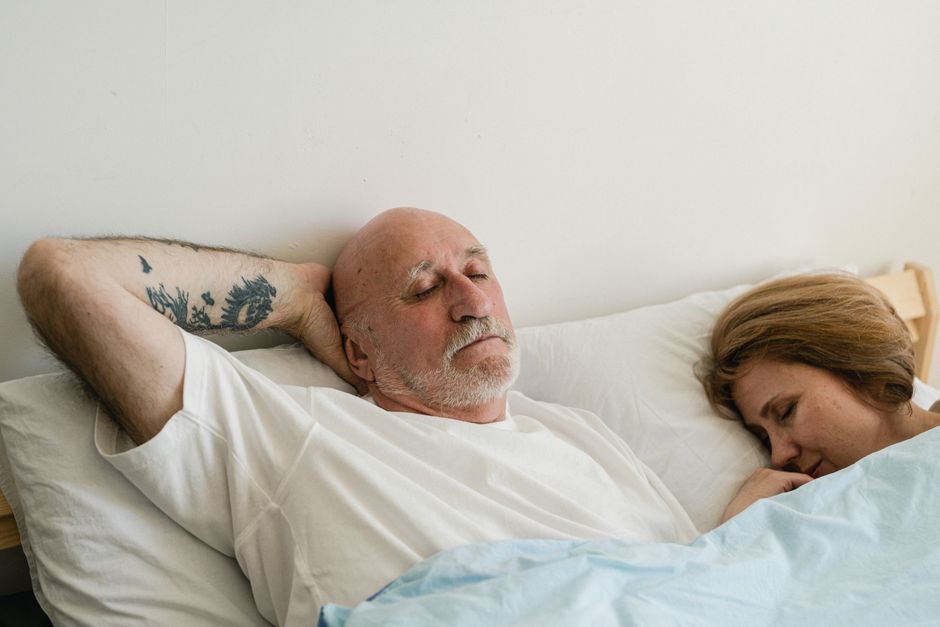
Sleep apnea cannot be cured by natural remedies alone, but for mild cases, some people can reduce symptoms through weight loss, sleeping on their side, avoiding alcohol and sedatives before bed, and treating nasal congestion. These approaches work best for mild obstructive sleep apnea. Moderate to severe sleep apnea needs medical treatment, usually CPAP, because untreated apnea raises the risk of heart problems, stroke, and dangerous daytime sleepiness.
What Is Sleep Apnea and Why Does It Happen?
Sleep apnea is a condition where breathing repeatedly stops and starts during sleep. Each pause can last from a few seconds to over a minute, and it can happen dozens or even hundreds of times a night.
There are two main types. Obstructive sleep apnea (OSA) is by far the most common. It happens when the soft tissue at the back of your throat collapses and blocks your airway. Central sleep apnea is different — the airway stays open, but the brain stops sending signals to the muscles that control breathing. These are two distinct problems with different causes and different treatments.
The mechanics of obstructive apnea are well understood. When you fall asleep, the muscles that hold your throat open relax. In most people this doesn’t matter. In someone with OSA, the airway is already narrow — because of anatomy, excess weight around the neck, or both — and that relaxation is enough to let the tissue collapse. Air can’t get through. Oxygen levels drop. Your brain detects the problem and briefly wakes you up, often just enough to gasp or snort and reopen the airway. Then you fall back asleep and the cycle repeats.
You usually don’t remember these awakenings. That’s part of what makes sleep apnea so easy to miss. The person lying next to you may notice loud snoring, gasping, or choking sounds. You may just feel exhausted no matter how long you spend in bed.
Can Sleep Apnea Be Fixed Naturally Without CPAP?
For mild obstructive sleep apnea, some natural strategies can meaningfully reduce symptoms. For moderate to severe OSA, they are not a substitute for medical treatment.
The distinction matters. “Mild” in clinical terms generally means between 5 and 15 breathing pauses or drops in oxygen per hour of sleep (the apnea-hypopnea index, or AHI). Moderate is 15 to 30. Severe is above 30. These thresholds come from standard diagnostic criteria used in sleep medicine.
If you have mild OSA and your oxygen levels stay reasonably stable, lifestyle changes may reduce how often your airway collapses. If you have moderate or severe OSA, those same changes may help at the margins but will not fix the underlying problem. The health risks of untreated moderate to severe apnea — including cardiovascular strain and impaired cognition — are significant enough that natural approaches alone are not considered adequate treatment.
This is not a reason to skip the natural strategies. It’s a reason to be honest about what they can and cannot do.
Does Weight Loss Help Sleep Apnea?
Weight loss is the single most effective natural intervention for obstructive sleep apnea in people who carry excess weight. This is one of the better-supported findings in sleep medicine.
The relationship is mechanical. Fat deposits around the neck and throat narrow the airway. Fat around the abdomen pushes up on the diaphragm and reduces lung volume. Losing weight reduces both forces. Research has consistently found that even modest weight loss can lower AHI in people with OSA who are overweight.
How much weight loss is needed varies by person. Some people see improvement with a 10% reduction in body weight. Others need more. The response is not predictable from weight alone — airway anatomy matters too. Someone with a naturally narrow airway may still have apnea at a normal weight.
If you have OSA and are overweight, weight loss is worth pursuing for this reason among others. But it takes time, and sleep apnea does not pause while you work on it. If your apnea is moderate or severe, you need treatment in the meantime.


Does Sleeping Position Make a Difference?
Yes — for many people with obstructive sleep apnea, sleeping on the side instead of the back reduces airway collapse. This is called positional therapy.
When you lie on your back, gravity pulls the tongue and soft palate backward, narrowing the airway. On your side, that force is reduced. Some people have “positional OSA,” meaning their apnea is significantly worse on their back than on their side. For these individuals, staying off the back can make a real difference.
The challenge is staying on your side all night. People shift position during sleep without knowing it. Simple tricks — like sewing a tennis ball into the back of a shirt or using a body pillow — can discourage back sleeping. There are also commercial positional devices, though evidence on how well they work compared to CPAP is limited.
Positional therapy is not a solution for everyone. If your apnea is severe or occurs in all sleep positions, it won’t help much. A sleep study can show whether your apnea is position-dependent.
Do Alcohol and Sedatives Make Sleep Apnea Worse?
Alcohol and sedative medications relax the muscles in the throat and can make obstructive sleep apnea significantly worse. This is well established.
Evening alcohol is a common trigger. It doesn’t cause sleep apnea, but it can turn mild apnea into moderate apnea for the night. The same applies to benzodiazepines, opioids, and some other sedating medications. If you have sleep apnea, avoiding alcohol within several hours of bedtime is a reasonable step. If you take sedating medication, talk to your doctor about whether it’s affecting your breathing during sleep.
This is one of the few natural adjustments that can produce a noticeable change quickly. It’s not a cure, but removing a known aggravating factor is worth doing.
Can Treating Nasal Congestion Help?
Nasal congestion can contribute to sleep-disordered breathing, and treating it may reduce symptoms in some people. The evidence here is less strong than for weight loss or positional therapy, but the mechanism is plausible and the intervention is low-risk.
When your nose is blocked, you breathe through your mouth. Mouth breathing changes the pressure dynamics in the upper airway and can make collapse more likely. Chronic nasal congestion from allergies, deviated septum, or other causes may worsen sleep apnea or make CPAP harder to tolerate.
Treating allergies with antihistamines or nasal steroid sprays, using nasal strips, or addressing structural problems surgically may help in some cases. But nasal treatment alone rarely resolves moderate to severe OSA. It’s a supporting measure, not a primary fix.
What About Mouth Exercises and Other Remedies?
Oropharyngeal exercises — sometimes called myofunctional therapy — involve training the muscles of the tongue and throat. Some studies suggest these exercises can reduce AHI in people with mild to moderate OSA, though the research is limited and the effect is generally modest.
Other remedies you may see promoted — special pillows, essential oils, breathing devices sold online — have little or no clinical evidence behind them. Some may be harmless. Others delay effective treatment.
If you want to try mouth exercises, they are low-risk. But don’t expect them to replace medical treatment if your apnea is significant.
When Natural Approaches Are Not Enough
Natural strategies work best as part of a broader plan, not as a replacement for diagnosis and medical care. If you have symptoms of sleep apnea — loud snoring, gasping during sleep, waking with a dry mouth or headache, excessive daytime sleepiness — get evaluated.
A sleep study can tell you whether you have apnea, how severe it is, and whether it’s positional. That information determines what will actually help.
For mild OSA, natural approaches may be sufficient, especially if you respond well to weight loss or positional changes. For moderate to severe OSA, CPAP remains the most effective treatment for most people. Other options include oral appliances fitted by a dentist and surgery in selected cases.
Untreated sleep apnea is not a minor inconvenience. It is associated with high blood pressure, heart disease, stroke, and increased risk of accidents due to daytime sleepiness. If natural approaches are not controlling your symptoms, that is not a failure — it means you need a different level of treatment.
Frequently Asked Questions
Can sleep apnea go away on its own?
Mild sleep apnea may improve with weight loss or positional changes, but it rarely resolves completely without intervention. Moderate to severe apnea generally requires ongoing treatment.
Is it safe to stop using CPAP if I lose weight?
Only your doctor can determine whether your apnea has improved enough to reduce or stop CPAP. Stopping without a follow-up sleep study can leave significant apnea untreated.
What is the fastest natural way to reduce sleep apnea symptoms?
Avoiding alcohol before bed and sleeping on your side can reduce symptoms quickly for some people. These steps help most with mild or positional apnea.
Can mouth exercises cure sleep apnea?
No. Some studies suggest mouth and throat exercises may modestly reduce apnea severity in mild cases, but they do not cure the condition.
