
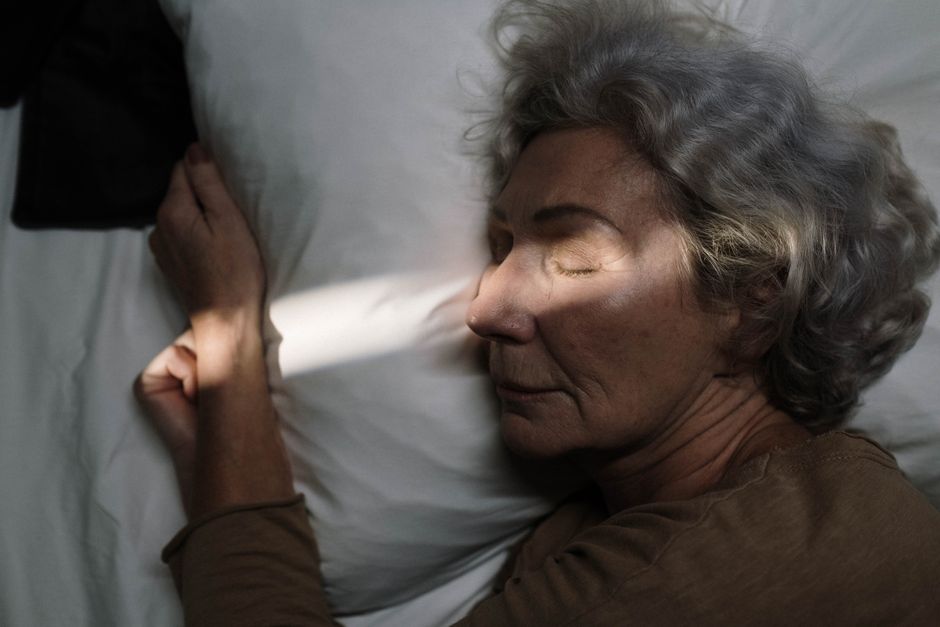
Grounding, sometimes called earthing, is the practice of putting your bare skin in direct contact with the Earth’s surface — walking on grass, sand, or soil, or using conductive mats and sheets indoors. The idea is that this contact lets your body absorb free electrons from the ground, which supporters say may reduce inflammation, ease pain, and improve sleep. The concept is popular, but the research behind it is thin. Most studies are small, and many were funded or conducted by companies that sell grounding products.
What Is Grounding For Sleep Pain And Inflammation?
Grounding is based on a simple physical claim: the Earth’s surface carries a negative electrical charge, and your body can pick up electrons from it when you touch the ground directly. Those electrons, the theory goes, act as antioxidants that neutralize positively charged molecules called free radicals.
Free radicals are real. They form during normal metabolism and can damage cells when they build up. That part is well established. What is not established is whether standing on grass meaningfully changes the electron balance inside your body in a way that affects disease or symptoms.
The proposed link to sleep, pain, and inflammation comes from the idea that chronic inflammation involves oxidative stress, and that neutralizing free radicals could calm that process. This is biologically plausible. Plausibility is not the same as proof. No large, independent human trial has confirmed that grounding reduces inflammation, relieves pain, or improves sleep in a meaningful way.
How Does Grounding Supposedly Work?
The mechanism rests on the idea that your body is a conductor and the Earth is an electron reservoir. When skin touches the ground, electrons flow from the Earth into the body. Supporters say this restores a natural electrical balance that modern life — rubber-soled shoes, insulated buildings — has disrupted.
Some small studies have measured changes in things like skin conductivity or blood markers after grounding. These findings are interesting but hard to interpret. A drop in one inflammatory marker in a handful of people does not tell you whether pain improves or whether the change matters for health.
It is also worth separating two claims that often get mixed together. One is that grounding changes measurable electrical activity in the body. The other is that this change produces real symptom relief. The first has some limited support. The second is largely unproven.
What Does the Research Actually Show?
The honest answer is that the evidence is weak and mostly preliminary. Most published studies on grounding are small, short, and often conducted by researchers with financial ties to grounding product companies. That does not automatically make the results wrong, but it means they need independent replication before anyone treats them as settled.
A few controlled studies have looked at sleep and pain. Some reported improvements in sleep quality or reduced pain scores. The problem is size and design. Small studies can produce positive results by chance, and studies without strong blinding are vulnerable to placebo effects. Pain and sleep are both highly responsive to expectation — if you believe a mat will help you sleep, it often does, at least for a while.
Some research suggests grounding may affect markers related to inflammation or stress. The evidence is mixed and the studies are too small to draw firm conclusions. Larger, independent trials would be needed to say anything definitive.
This is not a case where the science is divided between two equal camps. It is a case where the science is early and incomplete. That is a different situation, and it matters.




Why Pain and Sleep Are Especially Hard to Study
Pain and sleep are two of the hardest things to measure in research, and that shapes how much weight any grounding study can carry.
Pain is subjective. There is no blood test for it. Researchers rely on what people report, and those reports shift with mood, attention, and expectation. A treatment that makes you feel cared for can reduce reported pain even if it does nothing physical.
Sleep has the same problem. People often misjudge how long they slept and how well. A device that becomes part of a calming bedtime routine may improve sleep through relaxation alone, with no electrical effect required.
This does not mean grounding cannot help. It means that when a small study shows improvement, there are several explanations besides electrons, and researchers cannot always rule them out.
Is Grounding Safe to Try?
Walking barefoot outside is generally low risk for most healthy adults. The main concerns are practical: hot pavement, sharp objects, insect bites, and skin infections from contaminated ground.
People with certain conditions should be more careful. If you have diabetes with reduced feeling in your feet, a wound, or poor circulation, barefoot walking can lead to injuries you might not notice. If you have a compromised immune system, contact with soil or standing water carries a small infection risk.
Grounding products sold for indoor use — mats, sheets, patches, and wristbands — are a different category. These are marketed as wellness devices, not medical treatments. They are not approved by regulators to treat any condition. Claims that they reduce inflammation or cure pain are marketing claims, not established medical facts.
One practical caution: some grounding devices plug into an electrical outlet to connect to the ground. Using them as directed matters. A device that connects to your home’s wiring should only be used if it is designed and certified for that purpose.
Can Grounding Replace Standard Treatment?
No. This is the most important point in the article.
If you have chronic pain, a sleep disorder, or an inflammatory condition, there are treatments with real evidence behind them. Those include specific medications, physical therapy, cognitive behavioral therapy for insomnia, and other approaches your clinician can discuss. Grounding has not been shown to match any of them.
There is no harm in walking barefoot on a beach if you enjoy it. There is potential harm in delaying or skipping proven care because a grounding mat seemed to help for a few nights.
If you want to try grounding alongside standard care, that is a personal choice. Just be clear with yourself about what it is: a low-risk activity with unproven benefits, not a treatment.
How Does Grounding Compare to Proven Approaches?
It helps to see grounding next to approaches that have stronger evidence. The table below is a general comparison, not a ranking of every option.
| Approach | Evidence for Sleep | Evidence for Pain | Evidence for Inflammation |
|---|---|---|---|
| Grounding / earthing | Weak, small studies | Weak, small studies | Weak, mixed results |
| Cognitive behavioral therapy for insomnia | Strong | Not applicable | Not applicable |
| Regular physical activity | Moderate to strong | Moderate | Moderate |
| Prescribed medication (condition-specific) | Varies by drug | Varies by drug | Varies by drug |
Regular movement, good sleep habits, and treating underlying conditions are the foundations. Grounding sits far outside that foundation, not inside it.
What About the Marketing Around Grounding?
Grounding has become a large consumer market. Mats, sheets, shoes, and patches can cost anywhere from modest amounts to hundreds of dollars. The marketing often leans on the language of inflammation and free radicals because those words sound scientific and are hard for a shopper to check.
Watch for these patterns:
- Claims that a product “reduces inflammation” without citing large human trials
- Testimonials presented as evidence
- Studies cited that were small, unreplicated, or funded by the seller
- Language suggesting grounding is a treatment for a named disease
None of this proves a product does nothing. It means the burden of proof has not been met, and you should treat the claims with appropriate skepticism.
What Is the Bottom Line?
Grounding is a low-risk activity with a plausible but unproven mechanism. The idea that Earth contact affects your body’s electrical state is not unreasonable. The claim that it reliably improves sleep, reduces pain, or lowers inflammation is not supported by strong evidence.
If you enjoy walking barefoot, keep doing it. If you are considering a grounding product for a health problem, know that you are buying a wellness item, not a treatment. And if you have ongoing pain, poor sleep, or a diagnosed inflammatory condition, talk to a clinician about options that have real evidence behind them.
Frequently Asked Questions
Does grounding actually help you sleep better?
Some small studies report sleep improvements, but the evidence is weak and the studies are too small to be conclusive. Better sleep from grounding may come from relaxation and routine rather than any electrical effect.
Can grounding reduce inflammation in the body?
No large independent trial has confirmed that grounding lowers inflammation in humans. The theory is biologically plausible, but plausibility is not the same as demonstrated benefit.
Is walking barefoot outside safe?
For most healthy adults it is low risk, though hot pavement, sharp objects, and skin infections are real concerns. People with diabetes, poor circulation, or a weakened immune system should be more cautious.
Should I use grounding instead of medication for pain?
No. Grounding has not been shown to match treatments with established evidence, and delaying proven care can cause harm. Talk to a clinician about options that are supported by research.
