
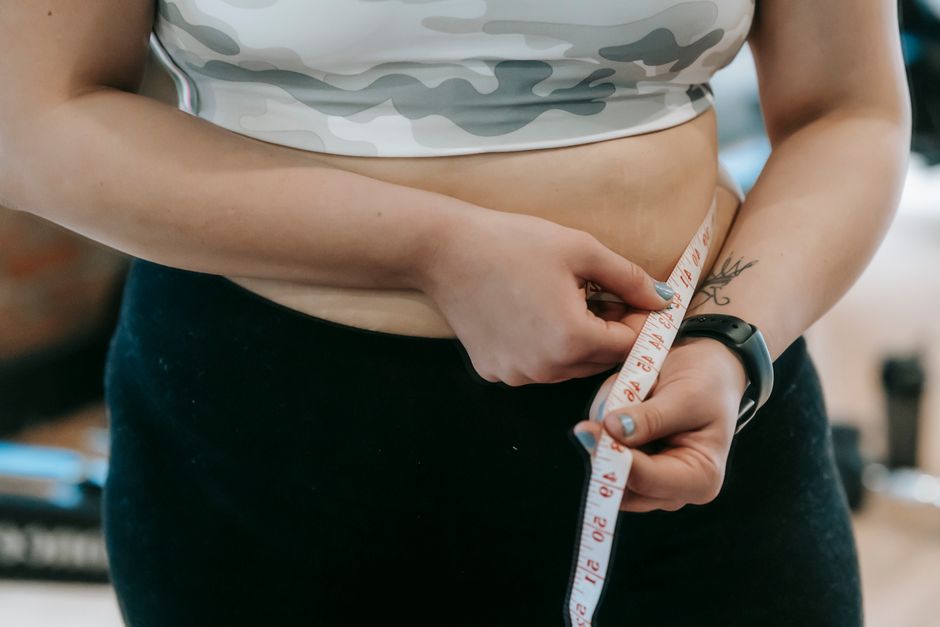
Figuring out your weight loss percentage is simpler than you think. You take the total pounds you lost, divide it by your starting weight, and multiply by 100. For example, if you started at 200 pounds and lost 30 pounds, your calculation is 30 divided by 200 times 100, which equals a 15 percent weight loss. This number matters more than the scale because it accounts for your individual starting point. A 10-pound loss means something different for someone who weighs 150 pounds versus someone who weighs 250 pounds. Percentage weight loss gives you a fair way to track progress no matter where you started.
What Is a Percentage Weight Loss Calculator?
A percentage weight loss calculator is a simple tool that shows how much weight you have lost relative to your starting weight. It is not a fancy device or a special app. It is just a math formula that gives you a percentage instead of a raw number.
Research shows that tracking percentage loss rather than total pounds helps people stay motivated over longer periods. A study in the journal Obesity found that people who tracked their percentage of weight loss were more likely to stick with their plan for six months or more. The reason is simple. When you lose five pounds in a week, it feels great. When you lose half a pound the next week, it feels like failure. But if you track percentage, you see that half pound still moves the needle. It keeps you honest and patient.
Many free online calculators exist, but you do not need them. A basic calculator on your phone or a piece of paper works just as well. The formula never changes. Weight lost divided by starting weight times 100. That is it.
How Do You Calculate Weight Loss Percentage Manually?
You can do this calculation in under thirty seconds. Write down your starting weight. Write down your current weight. Subtract your current weight from your starting weight to find how many pounds you lost. Divide that number by your starting weight. Multiply the result by 100. That final number is your weight loss percentage.
Here is a real example. A woman starts at 180 pounds. After three months she weighs 162 pounds. She lost 18 pounds. She divides 18 by 180, which equals 0.1. She multiplies 0.1 by 100, giving her a 10 percent weight loss. That 10 percent is significant. Current research suggests that losing just 5 to 10 percent of your body weight can improve blood pressure, blood sugar, and cholesterol levels. This is not about appearance. It is about measurable health improvement.
If you want to track over time, do this calculation every two weeks or every month. Weekly tracking can drive you crazy because water weight fluctuates daily. Monthly gives you a clearer picture of actual fat loss.
Why Track Percentage Instead of Pounds?
Pounds alone do not tell the full story. Two people can lose the same number of pounds but have completely different experiences. A person who weighs 300 pounds losing 20 pounds has lost about 6.7 percent of their body weight. A person who weighs 150 pounds losing the same 20 pounds has lost 13.3 percent. The second person worked much harder relative to their body size, but the scale does not show that.
Percentage tracking also protects you from comparing yourself to others unfairly. Social media is full of dramatic before-and-after photos. What those photos do not show is starting weight. A person who drops from 400 to 300 pounds lost 100 pounds but only 25 percent of their body weight. A person who drops from 160 to 120 pounds lost only 40 pounds but also 25 percent. The percentage is the same. The journey looked very different.
Some studies suggest that people who focus on percentage goals rather than pound goals experience less frustration during plateaus. When the scale does not move for a week, your percentage barely changes either. But over a month, the percentage trend tells you if you are still moving in the right direction. It smooths out the noise.
-
 How to Figure Percentage of Weight Loss? Simple Steps That Help
 -
How Many Calories for Weight Loss Calculator? What to Know
-
How Do You Calculate Your Weight Loss Percentage? What to Know
-
Peptides for Weight Loss: What Science Actually Says in 2026
-
Hepatoburn Reviews 2025: Consumer Reports And Complaints.




What Is a Healthy Rate of Percentage Weight Loss?
Most health organizations agree that losing 1 to 2 pounds per week is safe and sustainable. But that recommendation does not account for body size. A 300-pound person losing 2 pounds per week is losing about 0.67 percent of their body weight weekly. A 150-pound person losing the same 2 pounds is losing 1.33 percent weekly. The smaller person is losing at a faster relative rate.
A better guideline is to aim for 0.5 to 1 percent of your body weight per week. This adjusts automatically for your size. If you weigh 200 pounds, 0.5 percent is 1 pound per week. One percent is 2 pounds per week. If you weigh 120 pounds, 0.5 percent is 0.6 pounds per week. One percent is 1.2 pounds per week. This range is supported by research published in the American Journal of Clinical Nutrition. Faster loss than one percent per week often leads to muscle loss, not just fat loss. Muscle loss slows your metabolism and makes weight regain more likely.
Do not try to lose more than 2 percent of your body weight in a single week. That is a red flag for extreme dieting. If you are losing at that rate, you are likely losing water and muscle, not just fat. It is not sustainable, and the weight usually comes back.
How to Use a Weight Loss Percentage Calculator for Long-Term Goals
Set a percentage goal instead of a pound goal. A common target is 5 percent of your starting weight in the first three months. If you weigh 200 pounds, that is 10 pounds. If you weigh 180 pounds, that is 9 pounds. Five percent is realistic for most people and produces measurable health improvements. After you hit 5 percent, set a new goal for another 5 percent. This chunking approach works better than aiming for a final number that feels years away.
Track your percentage weekly or biweekly and write it down. Do not rely on memory. Memory is unreliable, especially when progress slows. A simple notebook or a note on your phone works. Write the date, your weight, and the percentage lost. Over three months, you will see a pattern. That pattern tells you whether your current approach is working or needs adjustment.
If your percentage loss stalls for three weeks in a row, something needs to change. It could be your calorie intake, your activity level, your sleep, or your stress. The percentage number does not tell you what is wrong. But it does tell you that something is wrong. That is valuable information. Do not ignore it. Adjust one variable at a time and see if the percentage starts moving again.
Common Mistakes When Figuring Percentage Weight Loss
The most common mistake is using the wrong starting weight. People sometimes use their goal weight or a weight from years ago. That gives a meaningless number. Always use the weight you were at when you started your current effort. If you started at 210 pounds and now weigh 195, your starting weight is 210. Not 180. Not 220. The starting number must be the real starting number.
Another mistake is calculating percentage loss on a daily basis. Your weight fluctuates by 2 to 4 pounds daily depending on hydration, salt intake, and digestion. Calculating percentage loss daily will drive you crazy and tell you nothing useful. Once per week is the minimum. Every two weeks is better. Monthly is fine for long-term tracking.
Some people also forget to account for weight regain. If you lost 10 pounds, then gained 3 back, then lost 2 again, your net loss is 9 pounds. Calculate from your original starting weight, not from the weight you were after the regain. This keeps your percentage accurate and prevents you from fooling yourself.
Frequently Asked Questions About Figure Percentage Weight Loss Calculator
Do I need a special app to calculate weight loss percentage?
No. You can do the math on any basic calculator or even on paper. The formula is weight lost divided by starting weight times 100.
How often should I calculate my weight loss percentage?
Once every two weeks is ideal. Weekly is acceptable but can be noisy. Daily calculation is not useful due to normal water weight fluctuations.
What is a good weight loss percentage per week?
Losing 0.5 to 1 percent of your body weight per week is considered healthy and sustainable. Faster than 2 percent per week is a warning sign.
Can I use percentage weight loss if I am trying to gain muscle?
Yes, but the number will be different. If you lose fat and gain muscle, your weight may stay the same while your percentage of body fat changes. Percentage weight loss only tracks scale weight, not body composition.
As of 2026, the simplest way to figure percentage weight loss is still the same method doctors have used for decades. Subtract your current weight from your starting weight. Divide by your starting weight. Multiply by 100. Do that every two weeks and you will see a clear, honest picture of your progress without the hype.
