
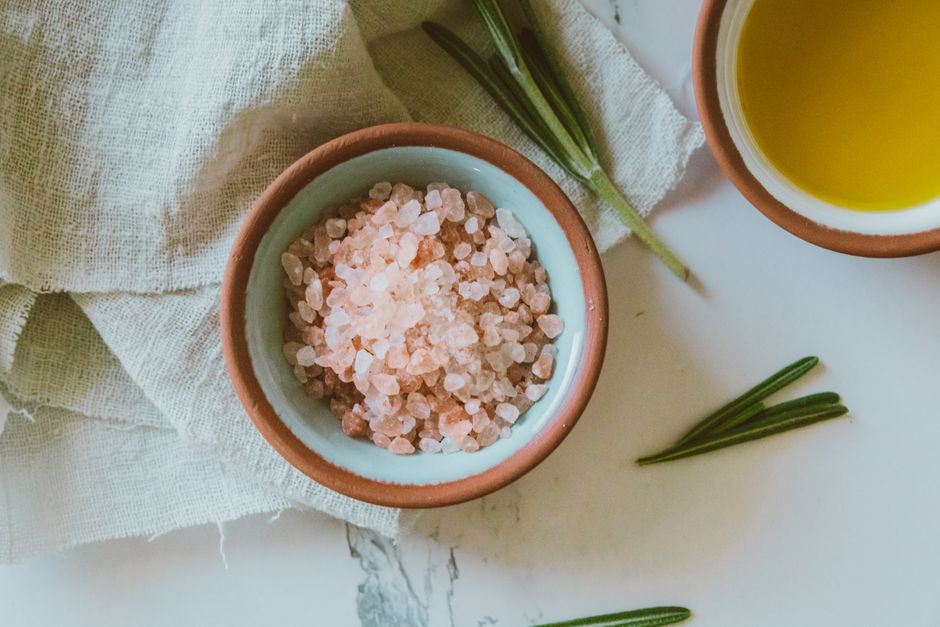
The pink salt trick for weight loss refers to drinking pink Himalayan salt dissolved in water on an empty stomach each morning. Proponents claim it speeds up metabolism, reduces water retention, and curbs appetite. The typical recommendation is half a teaspoon of pink salt in eight ounces of warm water before breakfast. This practice has spread through social media and wellness blogs, often accompanied by promises of quick results.
Despite its popularity, the evidence supporting pink salt for weight loss is weak. Pink Himalayan salt is chemically similar to regular table salt — about 98% sodium chloride with trace minerals. There is no reliable clinical research showing it causes fat loss or meaningfully increases metabolic rate in humans.
Does the Pink Salt Trick for Weight Loss Actually Work?
No clinical studies have demonstrated that drinking pink salt water causes weight loss. The idea appears to stem from misunderstandings about how sodium and metabolism function in the body. Some people report losing a few pounds after starting this routine, but this is usually water weight fluctuation, not fat loss.
When you consume salt water first thing in the morning, it can trigger a bowel movement and temporary fluid shifts. This might make you feel lighter or less bloated. That is not the same as burning stored body fat. The number on the scale may drop, but body composition has not changed.
Pink salt contains the same amount of sodium as table salt, roughly 2,300 mg per teaspoon. The trace minerals present — iron, magnesium, calcium — exist in amounts too small to have metabolic effects. You would get more magnesium from a handful of almonds than from a month of salt water.
Some versions of this trick claim the minerals “balance electrolytes” in a way that promotes fat burning. As of 2026, there is no published evidence supporting this mechanism. Electrolyte balance matters for hydration and muscle function, but it does not override the basic physics of weight loss, which requires consuming fewer calories than you burn.
What Does Research on Salt and Metabolism Show?
Studies on sodium intake focus primarily on blood pressure and cardiovascular health, not weight loss. High sodium consumption is linked to water retention, which increases body weight temporarily. Reducing sodium typically causes a drop in water weight within days, the opposite of what the pink salt trick promises.
Some research has examined whether sodium restriction affects metabolic rate. A 2017 study in the Journal of Clinical Endocrinology & Metabolism found that lowering sodium intake slightly reduced resting energy expenditure in some participants. This does not support the claim that adding more salt boosts metabolism.
Another angle involves cortisol, a stress hormone that influences fat storage. Extremely low sodium diets can elevate cortisol levels. Advocates of the pink salt trick argue this justifies adding salt in the morning. The flaw in this reasoning is that most people already consume far more sodium than needed. The average intake in the US is around 3,400 mg daily, well above the recommended 2,300 mg limit. Adding more salt to an already high-sodium diet will not lower cortisol or improve fat metabolism.
There is also no evidence that the timing of sodium intake — morning versus evening — has any impact on weight. The body processes sodium continuously throughout the day. Drinking salt water at 7 AM does not activate a special metabolic window.
What Are the Risks of Drinking Salt Water Daily?
Consuming extra sodium beyond what your body needs can raise blood pressure, especially in people who are salt-sensitive. About one in three adults has hypertension, and many do not know it. Adding a daily dose of concentrated salt water can worsen this condition over time.
High sodium intake is also linked to increased calcium loss through urine. Over months or years, this can weaken bones. For people already at risk for osteoporosis, routinely drinking salt water is a bad trade for an unproven weight loss claim.
Some people experience digestive discomfort from drinking salt water on an empty stomach. Nausea, cramping, and diarrhea are common. The salt acts as an irritant to the stomach lining, particularly in higher concentrations. If you have gastritis or ulcers, this can make symptoms worse.
Kidney function is another concern. Healthy kidneys regulate sodium balance efficiently, but people with impaired kidney function need to limit sodium intake. Drinking salt water daily could accelerate kidney damage in at-risk individuals.
| Claimed Benefit | What Evidence Shows |
|---|---|
| Boosts metabolism | No human studies support this. Sodium does not increase calorie burn. |
| Reduces water retention | False. Sodium causes water retention, not reduces it. |
| Improves digestion | May stimulate bowel movements but can irritate stomach lining. |
| Provides trace minerals | True but amounts are nutritionally insignificant. |
| Curbs appetite | No evidence. Salt does not suppress hunger hormones. |
-
 Pink Salt for Weight Loss. Does It Actually Work? Facts VS Myths
 -
What is the Pink Salt Recipe for Weight Loss?
-
What Is Turmeric Trick For Weight Loss. Lipozem Reviews Of Drink Hack.
-
What is the Jello Trick Recipe for Weight Loss? A Clear Explanation
-
Purple Peel Exploit. Diet, Recipe, Or Hack? Mitolyn Reviews




Why Do Some People Think It Works?
The pink salt trick often gets bundled with other habits that do support weight loss. People who start this routine may also drink more water throughout the day, eat breakfast later, or pay closer attention to their overall diet. These changes can lead to real results, but the salt itself is not the active ingredient.
The placebo effect is powerful in weight loss efforts. If you believe a ritual will help you lose weight, you may unconsciously make better food choices or move more. The pink salt becomes a daily reminder to stay on track, not a metabolic catalyst.
Social media amplifies success stories while ignoring the many people who tried the trick and saw no change. This creates survivorship bias. You see posts from the small percentage who lost weight and assume the salt caused it. You do not see the hundreds who gained weight or stayed the same.
There is also confusion between short-term and long-term results. Losing three pounds in a week sounds impressive, but if it is all water weight, it will return as soon as you stop the routine or eat a normal amount of carbohydrates. Sustainable fat loss happens slowly, typically one to two pounds per week with consistent calorie deficit and activity.
What Actually Supports Healthy Weight Loss?
Weight loss requires burning more calories than you consume over time. No single food or supplement can override this basic energy balance. Strategies that work involve changing eating patterns, increasing physical activity, or both.
Eating more protein helps preserve muscle during weight loss and increases satiety. Studies consistently show that people who increase protein intake to 25-30% of daily calories lose more fat and feel less hungry. Protein requires more energy to digest than carbohydrates or fat, which slightly boosts metabolic rate.
Strength training builds muscle tissue, which burns more calories at rest than fat tissue. Adding two to three sessions per week can increase resting metabolic rate by 50-100 calories daily. This adds up over months.
Reducing ultra-processed foods lowers calorie intake without requiring strict portion control. These foods are engineered to be hyper-palatable, making it easy to overeat. Replacing them with whole foods naturally reduces calorie density and improves satiety.
- Prioritize whole foods over processed options
- Increase daily protein to 0.7-1 gram per pound of body weight
- Include strength training at least twice weekly
- Aim for 7-9 hours of sleep per night to regulate hunger hormones
- Track food intake for at least two weeks to identify patterns
- Focus on losing 1-2 pounds per week for sustainable results
Sleep quality affects hunger hormones leptin and ghrelin. Poor sleep increases ghrelin, which signals hunger, and decreases leptin, which signals fullness. Getting consistent quality sleep is one of the most overlooked factors in weight management.
Should You Try the Pink Salt Trick?
If you already have normal blood pressure, healthy kidneys, and do not exceed recommended sodium limits, drinking diluted pink salt water occasionally is unlikely to cause harm. But it is also unlikely to cause weight loss. The time and mental energy spent on this ritual would be better invested in strategies with actual evidence behind them.
For people with hypertension, kidney disease, or heart conditions, adding extra sodium is a genuine risk. Check with a healthcare provider before trying any routine that involves concentrated salt intake. The potential harm outweighs the non-existent benefits.
Pink Himalayan salt is not inherently bad. It is fine to use in cooking just like table salt. The issue is the unfounded claims attached to drinking it dissolved in water every morning. If you enjoy the taste or find it part of a mindful morning routine, that is one thing. Expecting it to cause fat loss is setting yourself up for disappointment.
Weight loss marketing often repackages old ideas with new branding. Salt water for weight loss has appeared in various forms for decades, from “sole water” to saltwater flushes. The packaging changes but the lack of evidence remains constant. Being skeptical of quick fixes saves time, money, and health in the long run.
Frequently Asked Questions About Pink Salt Trick for Weight Loss
How much pink salt should I use for weight loss?
There is no effective amount because pink salt does not cause weight loss. Most recommendations suggest half a teaspoon in water, but this adds unnecessary sodium without metabolic benefit.
Is pink Himalayan salt better than regular salt for weight loss?
No. Both contain the same amount of sodium chloride and neither promotes fat loss. The trace minerals in pink salt exist in nutritionally insignificant amounts.
Can drinking salt water reduce bloating?
Sodium typically increases water retention and bloating rather than reducing it. Some people experience temporary bowel movements from salt water, which may feel like relief, but this is not the same as reducing bloating.
When is the best time to drink pink salt water?
Timing does not matter because the practice does not support weight loss at any time of day. If you choose to drink it, avoid doing so on an empty stomach to reduce risk of stomach irritation.
