
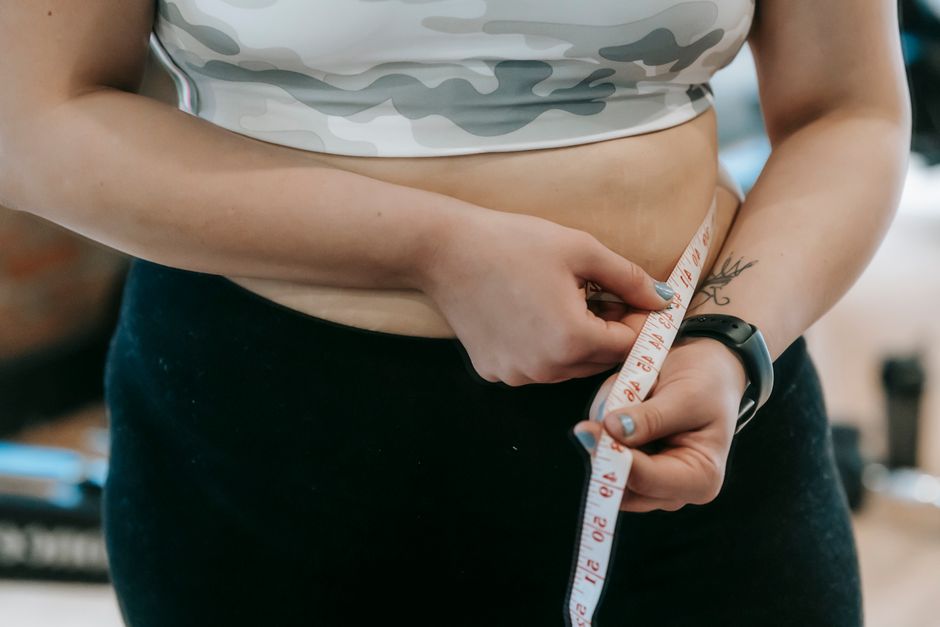
Tracking weight loss by pounds alone can be misleading. A five-pound loss means something very different for someone who weighs 150 pounds versus someone who weighs 300 pounds. The percentage of weight loss solves that problem. It gives you a clearer picture of your progress relative to where you started. To figure it out, you subtract your current weight from your starting weight, divide that number by your starting weight, and multiply by 100. For example, if you started at 200 pounds and now weigh 180 pounds, you lost 20 pounds. Dividing 20 by 200 gives you 0.10, and multiplying by 100 gives you a 10 percent weight loss.
Why Calculate Weight Loss as a Percentage?
Percentages put your progress into context. Losing 10 pounds sounds modest, but if you started at 150 pounds, that is a 6.7 percent reduction. That same 10-pound loss from a starting weight of 250 pounds is only 4 percent. The percentage reflects effort and health impact more accurately than the raw number on the scale.
Research consistently shows that a 5 to 10 percent reduction in body weight produces meaningful health improvements. Blood pressure often improves. Blood sugar control gets better. Cholesterol levels tend to move in a healthier direction. This is why many clinicians frame weight loss goals in percentages rather than pounds.
Percentages also help you compare progress across different time periods fairly. If you lose 8 percent in the first three months and 4 percent in the next three, you know your rate of loss slowed. That information helps you adjust your approach rather than feeling vaguely discouraged by a smaller number on the scale.
How to Figure Percentage of Weight Loss: The Formula
The math is straightforward. You need two numbers: your starting weight and your current weight. Both should be measured under similar conditions for accuracy. Weigh yourself at the same time of day, wearing similar clothing, ideally on the same scale.
Here is the step-by-step process:
- Subtract your current weight from your starting weight. This gives you your total pounds lost.
- Divide that number by your starting weight.
- Multiply the result by 100 to get your percentage.
Let’s walk through another example. Suppose your starting weight was 180 pounds and your current weight is 162 pounds. You lost 18 pounds. Divide 18 by 180 to get 0.10. Multiply by 100. Your weight loss percentage is 10 percent.
You can also calculate this in reverse. If you know your starting weight and your target percentage, you can determine what your goal weight should be. Multiply your starting weight by the percentage you want to lose. Subtract that from your starting weight. For a 200-pound person aiming for a 10 percent loss, that means losing 20 pounds and reaching 180 pounds.
Tracking Weight Loss Percentage Over Time
One calculation gives you a snapshot. Tracking the percentage over weeks or months gives you a trend. A single weigh-in can be thrown off by water retention, salt intake, or the timing of your last meal. A trend smooths out those daily fluctuations.
Many people find it helpful to calculate their percentage weekly. Pick the same day and time each week. Record your starting weight and update your current weight. Each week, run the same calculation. You will see whether your rate of loss is steady, slowing, or stalling.
Some clinicians recommend recalculating your baseline periodically. If you have lost a significant amount of weight, your original starting weight becomes less relevant to your current trajectory. For example, if you started at 250 pounds and have dropped to 190 pounds, you have lost 24 percent of your original body weight. But if you are now working toward 170 pounds, some clinicians suggest treating 190 pounds as your new baseline for setting the next goal. This keeps your percentage goals realistic for your current body size.
-
 How to Figure Percentage Weight Loss Calculator? Tips You Can Try
 -
How Do You Calculate Your Weight Loss Percentage? What to Know
-
How to Prepare Matcha Tea for Weight Loss? A Simple Guide
-
How to Avoid Flabby Skin After Weight Loss? A Simple Guide
-
Hepato Burn Reviews And Complaints. Is The Supplement Legit?





What Is a Healthy Rate of Weight Loss?
Most major health organizations describe a safe and sustainable rate as about 1 to 2 pounds per week. That translates to roughly 4 to 8 pounds per month for most people. The percentage equivalent depends entirely on your starting weight.
A 300-pound person losing 2 pounds per week is losing about 0.67 percent of their body weight weekly. A 150-pound person losing the same 2 pounds is losing about 1.33 percent weekly. The lighter person is losing weight at a faster relative rate even though the pounds are identical.
Faster weight loss is not automatically better. Very low-calorie diets can produce rapid initial losses, but much of that early drop is water weight and glycogen, not fat. Some research suggests that gradual weight loss is more likely to be maintained long-term. The evidence on this point is mixed, with some studies showing similar long-term outcomes between gradual and rapid initial loss. What matters most is whether you can sustain the approach.
If you are losing more than 2 percent of your body weight per week for several consecutive weeks, that is rapid loss. It may be appropriate under medical supervision, but it is not something to pursue on your own. Significant muscle loss, gallstones, and nutrient deficiencies are real risks with very fast weight loss.
Using Percentage Goals to Set Realistic Targets
A 5 to 10 percent weight loss is a well-established first target. The health benefits appear at this level, and the goal feels achievable for most people. After reaching that milestone, you can reassess and decide whether further loss is appropriate for your health goals.
Setting a percentage goal instead of a pound goal changes how you think about progress. Losing 10 percent of your body weight does not require you to hit an arbitrary number that might feel far away. It breaks the journey into a measurable, meaningful chunk.
For example, a person who weighs 220 pounds and wants to lose 10 percent needs to reach 198 pounds. That is a 22-pound loss. The same person might feel overwhelmed by a goal of reaching 170 pounds. The percentage framing makes the first milestone feel attainable. After reaching 10 percent, a new goal of another 5 percent means losing 9.9 pounds from the new weight of 198 pounds, landing at about 188 pounds.
Common Mistakes When Calculating Weight Loss Percentage
The most common error is using the wrong starting weight. Your starting weight should be the weight you recorded when you began your intentional weight loss effort. Using a weight from years ago, or a lowest-ever weight, will skew your calculation.
Another mistake is comparing weights taken under different conditions. Weighing yourself in the morning before eating gives a different number than weighing yourself after dinner. If your starting weight was taken in the morning and your current weight is taken in the evening, your percentage will be inaccurate. It may look like you lost more than you actually did, or less.
Some people confuse weight loss percentage with body fat percentage. They are not the same thing. Weight loss percentage measures total body weight change, which includes water, muscle, and fat. Body fat percentage measures the proportion of your body mass that is fat. You can lose weight without losing much fat, particularly if you are losing muscle. You can also lose fat while the scale barely moves, especially if you are gaining muscle through strength training.
Finally, do not calculate your percentage from a single day’s weigh-in and treat it as definitive. Water weight can easily shift 2 to 4 pounds in a day for many people. That can distort a weekly percentage by a full percentage point or more. Use trends, not single measurements, to judge your progress.
When the Scale Does Not Tell the Whole Story
The percentage calculation is useful, but it has limits. It tells you how much total weight you have lost, not what kind of weight. If you are strength training while losing weight, the scale may move slowly while your body composition changes significantly. Your clothes may fit better, and your waist measurement may shrink, even when the percentage looks modest.
Consider tracking additional measures alongside your weight loss percentage. Waist circumference is a simple and meaningful measure. Blood pressure, fasting blood sugar, and lipid panels provide objective health data. Energy levels, sleep quality, and how your clothes fit are subjective but valuable signals.
For some people, the scale is genuinely not a helpful tool. If weighing yourself triggers anxiety or obsessive behavior, you may be better served by tracking waist measurements or how your clothing fits. The percentage formula is a tool, not a requirement. Use it if it helps you stay motivated and informed. Set it aside if it does not.
Frequently Asked Questions
How do I calculate my weight loss percentage?
Subtract your current weight from your starting weight, divide that number by your starting weight, and multiply by 100. For example, losing 15 pounds from a starting weight of 200 pounds equals 7.5 percent.
What is a good weight loss percentage in a month?
A loss of 2 to 4 percent of your body weight per month is a reasonable and sustainable rate for most people. This corresponds roughly to the commonly recommended 1 to 2 pounds per week.
Is 10 percent weight loss significant?
Yes, a 10 percent weight loss is a well-established milestone associated with meaningful health improvements. Many clinicians use 5 to 10 percent as an initial treatment target for conditions like high blood pressure and type 2 diabetes.
Should I use my goal weight or starting weight for the calculation?
Always use your starting weight as the denominator. The percentage represents how much of your original body weight you have lost, which is the standard way to express weight loss progress.
