
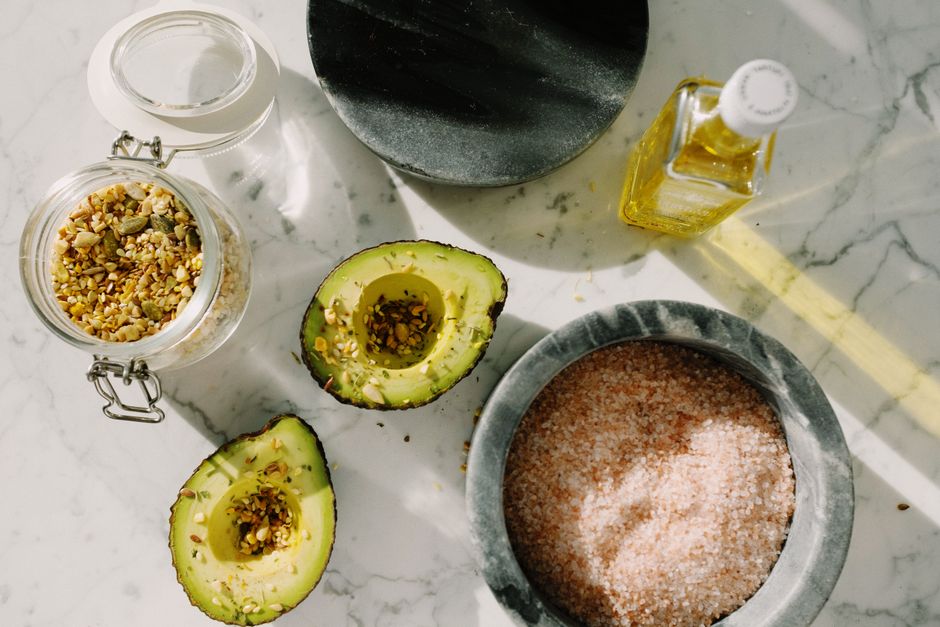
The pink salt recipe for weight loss typically involves drinking a mixture of warm water, pink Himalayan salt, lemon juice, and sometimes honey first thing in the morning on an empty stomach. Proponents claim this drink boosts metabolism, reduces bloating, and supports fat loss. While pink Himalayan salt does contain trace minerals that table salt lacks, there is no clinical evidence that this specific recipe directly causes weight loss or significantly increases metabolic rate.
What Ingredients Are in the Pink Salt Recipe?
The basic pink salt recipe combines one glass of warm water with a quarter teaspoon of pink Himalayan salt and the juice of half a lemon. Some versions add a teaspoon of raw honey or a pinch of cayenne pepper. The drink is meant to be consumed within 15 minutes of waking up before eating anything else.
Pink Himalayan salt comes from ancient sea salt deposits in Pakistan. It contains small amounts of iron, calcium, magnesium, and potassium alongside sodium chloride. These trace minerals give the salt its characteristic pink color. The lemon provides vitamin C and citric acid. Honey adds natural sugars and enzymes.
The proportions matter more than most recipes acknowledge. Too much salt can lead to bloating and increased blood pressure rather than the intended benefits. A quarter teaspoon provides roughly 450-500 milligrams of sodium. For reference, the American Heart Association recommends no more than 2,300 milligrams of sodium per day, with an ideal limit of 1,500 milligrams for most adults.
Does Pink Salt Recipe for Weight Loss Actually Work?
The weight loss claims rest on shaky ground. Warm salt water does stimulate bowel movements in some people, which may create the temporary sensation of feeling lighter or less bloated. This is water weight and digestive content, not fat loss. Any immediate drop on the scale reflects fluid changes, not actual body composition changes.
The metabolism-boosting claims lack support. While your body does use energy to warm cold water to body temperature, the effect is minimal. Studies on lemon water and metabolism show no significant increase in calorie burn. Salt itself does not increase metabolic rate. If anything, excess sodium causes water retention, which temporarily increases weight.
Some people report feeling less hungry after drinking the mixture. This likely comes from the warm liquid filling the stomach and the ritual of starting the day with a mindful practice. The same effect happens with plain warm water. The specific ingredients do not suppress appetite through any unique mechanism.
What this drink might do is replace a higher-calorie breakfast beverage. If you typically start your day with a sugary coffee drink or juice, switching to this recipe cuts calories. That creates a deficit over time, which does lead to weight loss. But the benefit comes from what you are not drinking, not from magical properties of pink salt and lemon.
What Does Research on Salt and Weight Management Show?
Research consistently shows that high sodium intake is linked to water retention and increased body weight. A 2015 study in the journal Hypertension found that each additional gram of sodium per day was associated with a 25% higher risk of obesity. Salt makes you retain fluid. Your body holds onto water to dilute the excess sodium in your bloodstream.
Some studies suggest that inadequate sodium intake might slow metabolism slightly. Your body needs sodium for proper cellular function, nerve transmission, and muscle contraction. However, most Americans consume far more sodium than needed. The average intake is around 3,400 milligrams per day, well above recommended levels. Adding more through a morning drink does not fix a deficiency that likely does not exist.
The trace minerals in pink Himalayan salt are present in such small amounts that they provide negligible nutritional benefit. You would need to consume toxic levels of salt to get meaningful amounts of these minerals. A quarter teaspoon of pink salt contains roughly 0.5 milligrams of iron compared to the 8-18 milligrams adults need daily. The math simply does not work.
-
 What is the Jello Trick Recipe for Weight Loss? A Clear Explanation
 -
What is the Jello Weight Loss Recipe? What Most People Don’t Know
-
Pink Salt for Weight Loss. Does It Actually Work? Facts VS Myths
-
What is the Pink Salt Trick for Weight Loss?
-
Sleep Lean Reviews 2025: Side Effects And Consumer Reports Analyzed





What Are the Potential Benefits Beyond Weight Loss?
Starting your day with warm water does support hydration. Many people wake up mildly dehydrated after 7-8 hours without fluids. Drinking water first thing helps rehydrate cells, supports kidney function, and can improve mental clarity. Plain water accomplishes this just as well as the salt recipe.
The lemon juice provides a small amount of vitamin C and may help stimulate digestion. Citric acid can increase saliva production and get digestive juices flowing. Some people find this helps with morning constipation. Again, warm water alone often produces the same effect.
The ritual aspect matters more than most people realize. Creating a morning routine that feels healthy and intentional can improve adherence to other healthy behaviors throughout the day. If drinking this mixture makes you feel like you are taking care of yourself, that mindset might carry over to food choices and movement habits. The psychological benefit is real even if the physiological claims are not.
| Claimed Benefit | Evidence Level | What Actually Happens |
|---|---|---|
| Boosts metabolism | No evidence | No measurable increase in calorie burn |
| Burns fat | No evidence | No direct fat loss mechanism |
| Reduces bloating | Mixed | May stimulate bowel movement but salt can cause retention |
| Improves hydration | Yes | Water hydrates regardless of added salt |
| Provides minerals | Minimal | Trace amounts too small to matter nutritionally |
What Are the Risks of This Recipe?
Adding extra sodium first thing in the morning can be problematic for people with high blood pressure, kidney disease, or heart conditions. These individuals need to limit sodium intake carefully. Even a quarter teaspoon can represent a significant portion of their daily allowance. Always check with a healthcare provider before adding sodium to your diet intentionally.
The acidic lemon juice can erode tooth enamel over time when consumed daily. Drinking through a straw reduces contact with teeth. Rinsing with plain water afterward also helps. Waiting 30 minutes before brushing prevents scrubbing acid into the enamel.
Some people experience stomach discomfort or nausea when drinking salt water on an empty stomach. The mixture can be harsh on sensitive digestive systems. Starting with a smaller amount of salt and gradually increasing might reduce this effect, but if discomfort persists, the practice likely does not suit your body.
What Actually Works for Weight Loss?
Weight loss requires a sustained calorie deficit. You need to consume fewer calories than your body burns over time. This happens through a combination of eating less, moving more, or both. No single morning drink changes this fundamental equation.
Sustainable approaches focus on whole foods, adequate protein, regular physical activity, and consistent sleep. Research shows that people who lose weight and keep it off typically make multiple small changes rather than relying on a single trick. They eat more vegetables, reduce processed foods, stay active most days, and develop habits they can maintain long-term.
As of 2026, the most effective dietary patterns for weight loss include Mediterranean-style eating, plant-forward diets with lean proteins, and approaches that emphasize nutrient density over calorie restriction alone. These patterns work because they reduce hunger, provide adequate nutrition, and fit into daily life without feeling like punishment.
Morning routines can support these efforts. Starting your day with protein and fiber helps regulate appetite. Moving your body early can increase daily calorie burn and improve insulin sensitivity. Drinking water throughout the day supports metabolism and reduces false hunger signals. These practices have evidence behind them. Pink salt water does not.
Should You Try the Pink Salt Recipe?
If you enjoy the taste and ritual and have no medical contraindications, drinking this mixture is unlikely to cause harm in moderation. Just do not expect it to produce weight loss on its own. Consider it a pleasant morning ritual rather than a weight loss tool.
Better options for starting your day include plain warm water with lemon, herbal tea, or a protein-rich breakfast. These provide hydration and nutrition without unnecessary sodium. If you currently skip breakfast and feel hungry mid-morning, eating a balanced meal would serve you better than drinking salt water.
Focus your energy on changes that have strong evidence behind them. Small consistent actions compound over time. The pink salt recipe might fit into a healthy routine, but it should never replace foundational habits like adequate sleep, stress management, regular movement, and balanced nutrition.
- Start with plain warm water and add lemon if you enjoy the taste
- Keep pink salt to a quarter teaspoon or less if you choose to include it
- Drink through a straw to protect tooth enamel from lemon acid
- Skip this recipe entirely if you have high blood pressure or kidney issues
- Track your actual food intake and activity rather than relying on a morning drink
- Notice whether you feel genuinely better or just want to believe it works
Frequently Asked Questions About Pink Salt Recipe for Weight Loss
How much weight can you lose with the pink salt recipe?
The recipe itself does not cause measurable fat loss. Any immediate weight changes reflect water loss or digestive changes, not actual body composition improvements.
When should you drink the pink salt mixture?
Most versions recommend drinking it first thing in the morning on an empty stomach before eating or drinking anything else. There is no evidence this timing provides special benefits.
Is pink Himalayan salt healthier than regular salt?
Pink salt contains trace minerals in amounts too small to provide meaningful nutritional benefit. Both types are primarily sodium chloride and affect the body similarly.
Can the pink salt recipe replace breakfast?
No. This drink provides minimal calories and no protein or fiber. Skipping breakfast entirely or replacing it with salt water can lead to increased hunger and overeating later in the day.
