
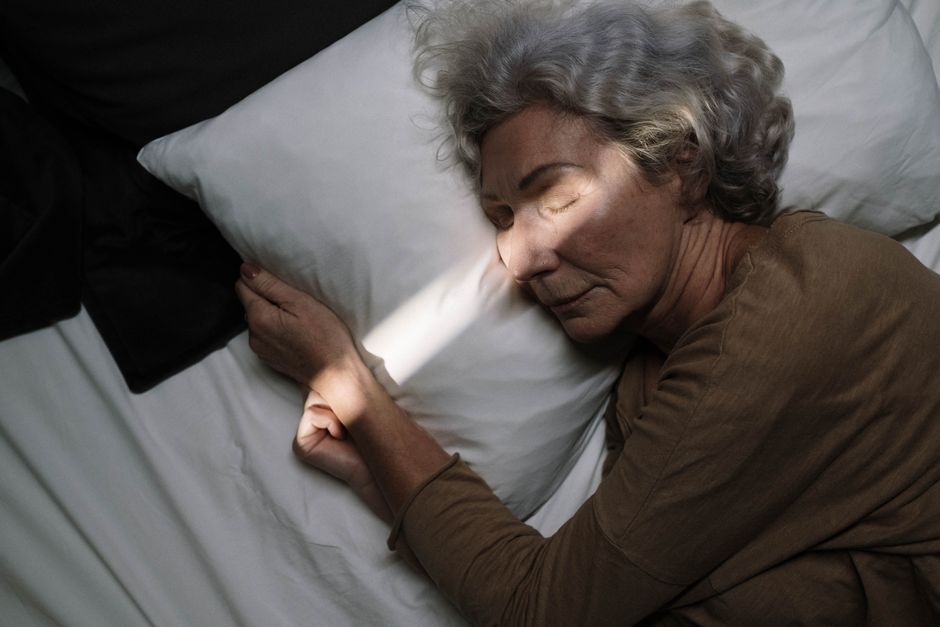
Fear and sleep are a difficult combination because the two systems work against each other. Fear activates the body’s stress response — heart rate rises, muscles tense, and the brain stays on alert. Sleep requires the opposite: a slowed heart rate, relaxed muscles, and a nervous system that feels safe enough to let go. That conflict is why lying in bed scared can feel so frustrating. You are tired, but your body will not cooperate.
The techniques below are drawn from established sleep science and anxiety research. They do not require special equipment, and most can be started tonight. The goal is not to force sleep. It is to help your body shift out of threat mode so sleep can happen on its own.
How To Fall Asleep When Scared 6 Proven Techniques
The six techniques that follow target the same underlying problem from different angles: a nervous system stuck in a state of alert. Some calm the body directly. Others redirect attention away from frightening thoughts. Used together or on their own, they give your body the conditions it needs to transition into sleep.
1. Slow Your Breathing on Purpose
Breathing is one of the few body functions you can control consciously, and it connects directly to the systems that regulate arousal. When you breathe slowly and deeply, particularly with a longer exhale than inhale, you stimulate the parasympathetic nervous system — the branch responsible for rest and digestion. Heart rate tends to drop, and muscles begin to relax.
A simple approach is to breathe in through your nose for a count of four, hold briefly, then breathe out slowly for a count of six to eight. The exact counts matter less than the pattern: a gentle, extended exhale. Do this for several minutes. If your mind wanders back to what scared you, return your attention to the counting without judging yourself for drifting.
This technique works because it gives your body a physical signal of safety. It does not require you to feel calm first. The calm tends to follow the breathing, not the other way around.
2. Use Progressive Muscle Relaxation
Fear often shows up in the body as tension you may not even notice — a clenched jaw, raised shoulders, tight stomach. Progressive muscle relaxation addresses this directly. You deliberately tense a muscle group for about five seconds, then release it and notice the difference.
Start with your feet and work upward through your legs, abdomen, hands, arms, shoulders, neck, and face. The tensing phase is brief. The release phase is where the benefit happens, so give it a few extra seconds. This method has been studied for decades as a tool for reducing anxiety and improving sleep onset, and it is often included in cognitive behavioral therapy for insomnia.
The logic is straightforward. You cannot fully relax a muscle you have not first noticed was tight. By moving through the body systematically, you give your nervous system a clear message that there is no physical threat to prepare for.
3. Redirect Your Mind With Guided Imagery
Scary thoughts tend to loop, and trying to suppress them often makes them louder. Guided imagery offers a different path. Instead of fighting the frightening image, you deliberately replace it with a detailed, neutral or pleasant scene.
Choose a place that feels safe to you — real or imagined. It could be a quiet beach, a forest trail, or a familiar room. The key is to engage all your senses. What do you see? What sounds are there? What does the air feel like on your skin? What can you smell? The more specific the scene, the harder it is for your mind to drift back to fear.
Some people find it helpful to listen to a recorded guided meditation or sleep story. Others prefer to build the scene silently. Both approaches work on the same principle: they occupy the mental space that fear was using.
4. Get Out of Bed If You Are Really Struggling
This one runs against instinct, but it is one of the most well-supported strategies in sleep medicine. If you have been lying awake for what feels like a long time and your mind is still racing, staying in bed can teach your brain to associate the bed with fear and frustration. That association can make future nights harder.
The recommended approach is to get up, move to another room, and do something quiet and low-stimulation — reading a book by dim light, listening to calm music, or sitting quietly. Avoid bright screens and anything exciting. Return to bed only when you feel sleepy again.
This is a core component of cognitive behavioral therapy for insomnia, which is widely considered the first-line treatment for chronic insomnia. It is not about giving up on sleep. It is about protecting the mental link between your bed and rest.
5. Write Down What Is Frightening You
Fear that stays in your head tends to grow. Putting it on paper can reduce its intensity by making it concrete and contained. Some research suggests that briefly writing about worries before bed can help people fall asleep faster, though results across studies vary.
Keep it simple. Write down what is scaring you, and if you can, one small thing you might do about it tomorrow. Then close the notebook. The point is not to solve the problem at night. It is to tell your brain the concern has been recorded and does not need to be held onto right now.
If the fear is about something you cannot act on — a worry about the future, a memory, a vague sense of dread — writing it down still helps. It moves the thought from a looping internal state to a fixed external one.
6. Set Up Your Environment for Safety
The bedroom itself sends signals to your nervous system. A dark, cool, quiet room supports sleep. A room that feels exposed or unsettling can work against it.
Small adjustments can matter. A nightlight if total darkness feels uncomfortable. A white noise machine or fan to mask sounds. A weighted blanket, which some people find calming, though the evidence for sleep benefits is mixed. Keeping the door closed or open, depending on what feels safer to you.
The goal is not a perfect sleep environment. It is an environment that tells your body this is a safe place to let your guard down. For someone dealing with fear at night, that signal matters more than thread count or mattress type.
Why Fear Keeps You Awake
The body has two main branches of the autonomic nervous system. The sympathetic branch handles arousal — the fight-or-flight response. The parasympathetic branch handles rest and recovery. Sleep happens when the parasympathetic branch is dominant.
Fear pushes the system toward sympathetic activation. Even if the threat is not physical, the body responds as if it might be. Cortisol and adrenaline rise. Heart rate and breathing speed up. The brain becomes more alert, not less. This is useful during real danger. It is unhelpful at bedtime.
This is why techniques that act on the body — breathing, muscle relaxation — can work even when your thoughts are still frightened. You are not trying to argue yourself out of fear. You are giving your nervous system a competing signal that it can respond to.
What to Do If Fear Is a Regular Nighttime Problem
Occasional fear at bedtime is common and usually manageable with the techniques above. But if fear is keeping you awake most nights, or if it is tied to a specific ongoing worry, trauma, or anxiety condition, the techniques alone may not be enough.
Chronic insomnia and anxiety disorders are treatable, and there is good evidence for approaches like cognitive behavioral therapy. If fear at night is affecting your daily life, sleep, or mood over weeks or months, talking to a doctor or mental health professional is worth considering. This is not a sign of weakness. It is the same as getting help for any other health problem that is not resolving on its own.
Some medications can also interfere with sleep, and some medical conditions — including thyroid problems and sleep apnea — can cause nighttime wakefulness or distress. A clinician can help sort out what is driving the problem.




What Does Not Help
Some common responses to nighttime fear tend to make things worse. Checking the time repeatedly increases anxiety and makes sleep less likely. Scrolling on a phone exposes you to bright light and stimulating content. Trying harder to sleep usually backfires, because sleep is not something you can force through effort.
Alcohol is another trap. It may make you feel drowsy at first, but it disrupts sleep quality later in the night and can increase wakefulness. Using it to manage fear at bedtime tends to create a cycle that is harder to break over time.
The techniques that work are the ones that calm the body and redirect the mind without adding pressure. If one does not help tonight, another might. The goal is not perfect sleep. It is giving your body the best chance to get there.
Frequently Asked Questions
How long does it take to fall asleep when you are scared?
There is no fixed timeline, and it varies widely from person to person. For most people, the techniques above help shorten the time it takes, but results depend on how activated your nervous system is and how consistently you use them.
Is it normal to feel scared at night for no reason?
Yes, this is common, especially during periods of stress or change. If it happens often or interferes with your daily life, it is worth mentioning to a doctor or mental health professional.
Should I stay in bed if I am scared and cannot sleep?
If you have been lying awake for a while and your mind is still racing, getting up and doing something quiet in dim light is generally recommended. Return to bed when you feel sleepy again.
Can breathing exercises really help you fall asleep?
Slow breathing with a longer exhale activates the parasympathetic nervous system, which supports relaxation and sleep onset. It is one of several techniques with reasonable evidence behind it, though it does not work for everyone every time.
