
A stuffy nose is miserable. You cannot breathe, you cannot sleep, and you feel foggy all day. The fastest way to unblock your nose involves a combination of quick physical maneuvers, steam, and targeted over-the-counter medications. For immediate relief, a warm shower or a saline rinse works within minutes. For longer-lasting relief, a nasal decongestant spray is the most effective proven method, though it must be used carefully to avoid rebound congestion.
What Actually Causes a Blocked Nose?
Understanding why your nose is blocked helps you pick the right fix. The nose is not blocked by mucus alone. The real problem is swollen blood vessels inside the nasal passages. These vessels swell in response to colds, allergies, or irritants. The swollen tissue narrows the airway, making it hard to pull air through.
Mucus often makes it worse. But the tissue swelling is the primary culprit. This is why treatments that shrink blood vessels—like decongestants—work better than treatments that only thin mucus. Knowing this distinction helps you choose the fastest and most effective option for your specific situation.
How To Unblock Your Nose Fast: Proven Methods That Work Immediately
If you need relief right now, start with physical methods. These are safe, free, and work in seconds to minutes.
Warm steam is one of the fastest ways to get airflow. The warm moisture helps loosen thick mucus and soothes swollen tissue. Take a hot shower and breathe deeply for five minutes. Or fill a bowl with hot water, lean over it, and drape a towel over your head to trap the steam. Do not use boiling water—you can burn your face and airways.
Saline nasal spray is another fast option. It rinses out irritants and thins mucus. It does not shrink swollen tissue, but it clears the passage enough for air to move. You can use it as often as needed because it has no active medication. Studies consistently show saline rinses are safe and effective for nasal congestion relief.
Position changes can also help quickly. Lying flat makes congestion worse because blood pools in the head. Prop yourself up with extra pillows. Some research suggests sleeping with your head elevated reduces nighttime nasal congestion. If one nostril is blocked, try lying on the opposite side—gravity can drain the congested side.
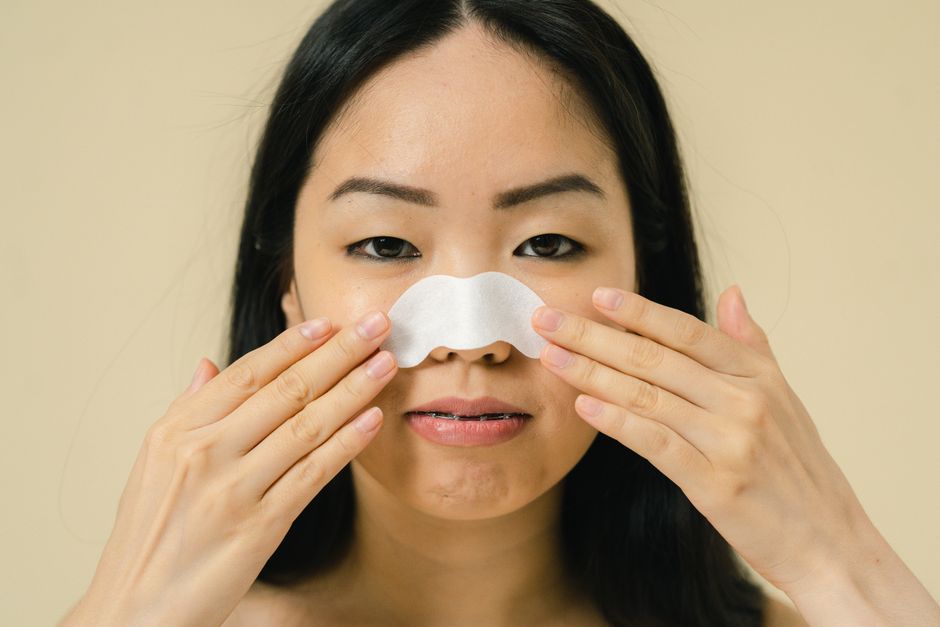
Nasal strips provide mechanical relief. They physically pull the nostrils open from the outside. They do not treat the swelling, but they widen the nasal valve area, which is often the narrowest point. Many people feel immediate airflow improvement with these.
When To Use Decongestant Sprays and Pills
For congestion that does not clear with steam or saline, over-the-counter decongestants are the strongest proven option.
Decongestant nasal sprays (like oxymetazoline, found in brands like Afrin) work by constricting blood vessels in the nose. They shrink swollen tissue within minutes. Relief is often dramatic. However, these sprays carry a serious warning: do not use them for more than three consecutive days. Using them longer can cause rebound congestion, a condition where the nose becomes more blocked than before once the spray wears off. This is a well-documented clinical effect.
Oral decongestants (like pseudoephedrine, found behind the pharmacy counter) also shrink blood vessels, but they work throughout the body. They take longer to work—usually 30 to 60 minutes—but the effect lasts several hours. They are a good choice for congestion that lasts more than a few days. However, they can raise blood pressure and heart rate. If you have high blood pressure or heart disease, check with a pharmacist or doctor before taking them.
A common mistake is using a decongestant spray and an oral decongestant together. This can over-medicate and increase side effects. Choose one or the other, not both.





Does Blowing Your Nose Actually Help?
Blowing your nose is natural, but it is not always the best move. Forceful blowing can push mucus up into the sinuses. That can trap bacteria and potentially worsen a sinus infection. Some research suggests this is a real risk, though it is not definitively proven in large trials.
A gentler approach is better. Press one nostril closed and blow softly through the other. Or use a saline rinse first to thin the mucus, then blow gently. If you feel pressure in your face or sinuses, avoid hard blowing altogether. Instead, use steam and saline to encourage drainage naturally.
For babies and young children who cannot blow their noses, a bulb syringe or nasal aspirator is the standard tool. Use saline drops first to loosen mucus, then gently suction. This is safe and widely recommended by pediatricians.
Home Remedies: What Works and What Is Just Hype
Many home remedies circulate online. Some have evidence behind them. Many do not.
Warm compresses on the face can help with sinus pressure. The warmth increases blood flow and can soothe pain. This does not directly unblock the nose, but it makes the experience more comfortable.
Spicy foods like chili or horseradish can trigger a runny nose. This is a reflex response, not a cure. It may temporarily clear the nose, but the effect fades quickly. Capsaicin, the active compound in chili peppers, has been studied as a nasal spray for congestion. Some small studies show benefit, but it is not a standard treatment and can cause burning.
Essential oils like eucalyptus or peppermint are popular. The vapor can create a cooling sensation that makes breathing feel easier. But no large human trials confirm they reduce tissue swelling. They may help with the sensation of airflow, not the actual blockage. Do not ingest essential oils or apply them directly to the skin without diluting them—they can cause irritation.
Garlic, ginger, and honey are often promoted as cold remedies. Honey has some evidence for soothing coughs, but no solid evidence shows it unblocks a stuffy nose. These are not harmful, but do not expect them to provide fast relief.
When To See a Doctor About Nasal Congestion
Most nasal congestion clears within a week to ten days. If it lasts longer, or if you have certain symptoms, you should see a doctor.
Seek medical attention if you have:
- Congestion lasting more than 10 days without improvement
- High fever, especially above 102°F
- Thick, yellow or green nasal discharge accompanied by facial pain
- One-sided nasal blockage that does not improve
- Recurrent sinus infections
These symptoms can indicate a bacterial sinus infection, nasal polyps, or a deviated septum. These conditions require proper diagnosis and treatment. A doctor can look inside your nose with a small camera and identify the exact cause.
If you have asthma or chronic lung disease, nasal congestion can make breathing harder overall. Talk to your doctor about the safest decongestant options for your condition.
Preventing Recurrent Nasal Congestion
Prevention is easier than treatment. If you get frequent stuffy noses, look at your environment and habits.
Allergens are a common trigger. Dust, pollen, and pet dander can cause chronic nasal swelling. Using a HEPA air filter in your bedroom and washing bedding weekly in hot water can reduce exposure. Over-the-counter antihistamines can help if allergies are the cause.
Dry air makes congestion worse. A cool-mist humidifier in your bedroom adds moisture to the air. Keep humidity between 30 and 50 percent. Too much humidity can promote mold growth, so monitor levels.
Smoking is a major irritant. Both smoking and secondhand smoke inflame the nasal passages. Quitting or avoiding smoke exposure is one of the most effective ways to reduce chronic congestion.
Hydration matters. Drinking enough water keeps mucus thin and easier to clear. This does not prevent congestion, but it makes symptoms more manageable.
Frequently Asked Questions
How long does it take for a decongestant spray to work?
Decongestant sprays like oxymetazoline work within minutes, often providing relief in under five minutes. The effect lasts for several hours, but you should not use them for more than three days in a row.
Is it safe to use a neti pot for nasal congestion?
Yes, when used correctly with distilled, sterile, or previously boiled water. Tap water can contain organisms that cause serious infections, so never use it directly in a neti pot.
Can allergies cause a stuffy nose that lasts for months?
Yes, allergic rhinitis can cause persistent nasal congestion that lasts for months or even year-round. If your congestion is chronic, see a doctor to identify the specific allergen and discuss treatment options.
Does drinking hot tea help unblock a stuffy nose?
Hot tea can help temporarily by providing steam and hydration. The warmth may thin mucus slightly, but it does not shrink swollen nasal tissue the way a decongestant does.
