
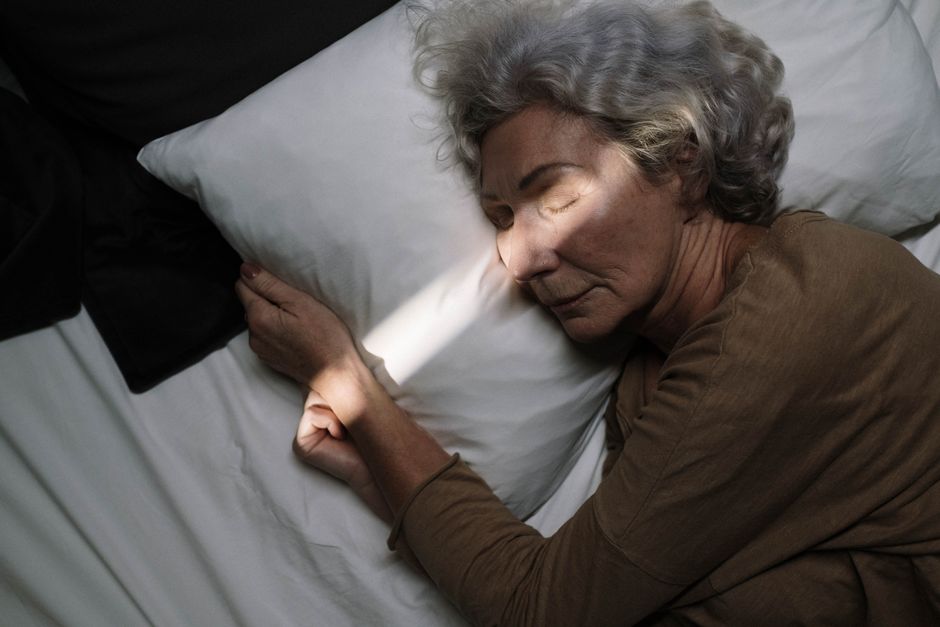
Most sleep experts say the same thing: you cannot force sleep, but you can set up the conditions that let it arrive. The core methods are well established. Keep a consistent wake time. Get out of bed if you are awake and frustrated. Keep your room cool and dark. And give your body a wind-down period before lights out. None of these are tricks. They work by supporting the biology that already controls your sleep.
If you want to fall asleep faster tonight, the highest-yield change is usually your wake-up time, not your bedtime. A steady morning anchor sets the whole rhythm in motion.
How To Fall Asleep Fast Tips From Sleep Experts?
Sleep onset is not something you switch on. It is a transition your body makes when two systems line up. One is sleep pressure, the drive to sleep that builds the longer you stay awake. The other is your circadian rhythm, the internal clock that decides when sleep is biologically likely.
Both are governed by well-understood physiology. Sleep pressure builds partly through the accumulation of a substance called adenosine in the brain. Caffeine works by blocking adenosine receptors, which is why a late coffee can blunt the pressure you have built up. Meanwhile, light is the main signal that sets your internal clock. Bright light in the evening tells the brain it is still daytime.
So when sleep experts give advice, they are mostly working with these two levers. They are not offering a secret. They are helping you stop fighting your own biology.
Why Can’t I Fall Asleep Even When I’m Tired?
Feeling tired and being able to fall asleep are two different things. A common reason people lie awake is that they are tired but also alert, tense, or frustrated.
The brain has opposing systems. One promotes wakefulness and arousal. The other promotes sleep. When you are stressed or worried, the arousal system is switched on, and it can override sleep pressure even when you feel exhausted. This is why lying in bed thinking about not sleeping tends to keep you awake.
There is also a learned pattern at work. If your bed becomes the place where you lie awake and worry night after night, the brain starts to link the bed with being awake and frustrated. Sleep specialists call this conditioned arousal. It is one of the most common reasons for ongoing insomnia, and it is also one of the most treatable. The fix is not more effort. It is breaking the association between bed and wakefulness.
What Is the Single Most Effective Habit for Falling Asleep Faster?
A consistent wake-up time, seven days a week, is the habit sleep specialists return to most often. It matters more than a fixed bedtime.
Waking at the same time each day anchors your circadian rhythm. Your body learns when to be alert and when to prepare for sleep. That predictability makes sleep onset easier at night. Sleeping in on weekends can pull the clock later and make Sunday night harder, a pattern some people call social jet lag.
You do not need to be rigid to the minute. The goal is a steady anchor. Pick a wake time you can keep on most days, including weekends, and let your bedtime follow naturally from when you feel sleepy.





What Should You Do in the Hour Before Bed?
The hour before bed is when you can either help or hinder sleep. Experts generally point to a wind-down period that lowers stimulation rather than adding to it.
- Dim the lights. Bright light in the evening, especially from screens, can delay the release of melatonin, the hormone that signals night to the body.
- Keep the room cool. Core body temperature drops as you fall asleep, and a cooler room supports that drop. A slightly cool bedroom is generally recommended over a warm one.
- Lower mental stimulation. Calming routines, quiet reading, or slow breathing help more than stimulating content or heated conversations.
- Watch what you consume late. Caffeine can stay active in the body for hours. Alcohol may make you drowsy at first but tends to fragment sleep later in the night.
None of this is about perfection. It is about reducing the signals that tell your brain to stay alert.
Does the 20-Minute Rule Actually Work?
Yes. The 20-minute rule is one of the most established behavioral tools in sleep medicine. If you are awake and frustrated in bed, you get up.
The logic is simple. Lying in bed awake and frustrated strengthens the link between bed and wakefulness. Getting up breaks that link. The standard advice is to leave the bed if you have not fallen asleep after roughly 20 minutes of feeling awake and restless, do something quiet in dim light, and return only when you feel sleepy again. Some clinicians give a slightly different window, and the exact number matters less than the principle.
This is a core part of a treatment called cognitive behavioral therapy for insomnia, or CBT-I. It is widely regarded as the first-line treatment for chronic insomnia in adults, and it is built around changing behaviors like this one rather than relying on medication.
Can Breathing Exercises Help You Fall Asleep Faster?
Some people find slow, paced breathing helps them settle, though the evidence is not as strong as for behavioral methods like the 20-minute rule. The likely benefit is through calming the nervous system rather than any special technique.
Slow breathing at a comfortable, steady pace can help shift the body away from a stress response and toward a calmer state. That can make it easier to relax, which supports sleep onset for some people. It is a reasonable tool to try, but it is not a guaranteed fix, and it works best alongside the behavioral basics rather than instead of them.
One clarification worth making: there is no single breathing pattern proven to put people to sleep. Claims about specific counts or sequences are often presented with more certainty than the research supports.
What Should You Avoid If You Want to Fall Asleep Fast?
Several common habits work against sleep, and removing them often helps more than adding new tricks.
- Do not watch the clock. Clock-watching feeds frustration and keeps the arousal system switched on.
- Do not use alcohol as a sleep aid. It can shorten the time to fall asleep but tends to disrupt sleep quality later.
- Do not bring work or stressful planning into bed. Keep the bed for sleep.
- Do not rely on late caffeine to push through the evening. It can still be active at bedtime.
- Do not treat sleep as something to force. Effort tends to backfire.
If you have tried these basics and still struggle night after night for weeks, that is a reason to talk to a clinician. Ongoing insomnia is common and treatable, and it can sometimes be a sign of another issue worth checking. Persistent sleep problems are not something to simply push through.
Frequently Asked Questions
How long should it take to fall asleep?
For many healthy adults, falling asleep within about 15 to 20 minutes is considered normal. Consistently taking much longer, night after night, can be a sign of insomnia worth discussing with a clinician.
Is it bad to lie in bed trying to fall asleep?
Yes, staying in bed awake and frustrated can strengthen the link between bed and wakefulness. Sleep specialists generally advise getting up after roughly 20 minutes and returning only when sleepy.
Does melatonin help you fall asleep faster?
Melatonin can help shift the timing of sleep and may help with jet lag or delayed sleep timing, but the evidence that it speeds sleep onset for general insomnia is limited. It is not a first-line treatment for chronic insomnia.
What is the fastest way to fall asleep tonight?
There is no guaranteed fast method, but keeping a steady wake time, dimming lights, cooling the room, and getting out of bed if you are frustrated give you the best setup. Sleep tends to come when you stop trying to force it.
