
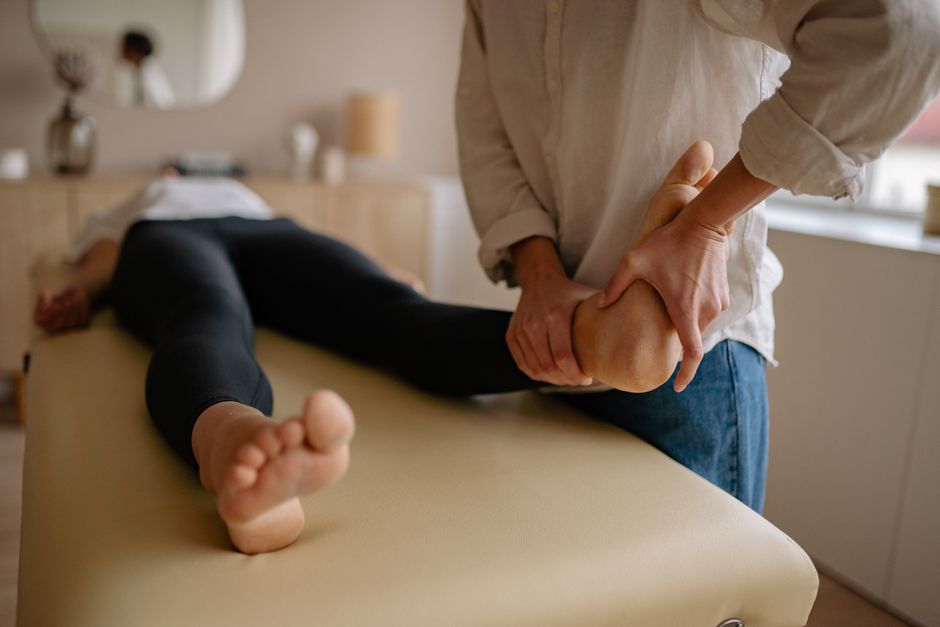
Heel pain usually comes from strain on the thick band of tissue that runs along the bottom of your foot. That band is called the plantar fascia, and it connects your heel bone to your toes. When it gets irritated, the first steps in the morning can hurt the most. Most cases ease with rest, ice, stretching, and better shoes — and you can start all of that at home today.
The fastest home relief comes from calming the irritated tissue while you stop doing the things that keep re-injuring it. Ice, relative rest, gentle stretching of the calf and foot, supportive shoes, and over-the-counter pain relief are the standard first steps. Most people notice improvement within a few weeks, though full recovery can take longer.
What Usually Causes Heel Pain?
The most common cause is plantar fasciitis — inflammation or small tears where the plantar fascia attaches to the heel bone. It is not a bone spur problem, even though spurs often show up on X-rays. Spurs are usually a result, not the source of the pain.
The fascia is a tough band of connective tissue. It supports the arch of your foot and acts like a shock absorber. When it is repeatedly stretched or overloaded, tiny tears form at the heel attachment. That is what produces the sharp, stabbing pain.
Several things raise your risk:
- Standing or walking on hard surfaces for long periods
- Being overweight, which increases load on the fascia
- Flat feet or high arches, which change how weight is distributed
- Tight calf muscles, which limit how far your ankle can bend
- Sudden increases in walking, running, or standing
- Worn-out or unsupportive shoes
Heel pain has other possible causes too. These include nerve compression (such as tarsal tunnel syndrome), stress fractures of the heel bone, and inflammation from conditions like reactive arthritis. If your pain is not improving, or it comes with numbness, tingling, or swelling, that points to something other than simple plantar fasciitis and needs a proper evaluation.
Why Does Heel Pain Hurt Most in the Morning?
Overnight, your foot rests in a relaxed position with the plantar fascia shortened. When you stand up, that tissue suddenly stretches. The first few steps pull on tissue that has tightened during sleep, which is why the pain is sharpest then.
This “first-step pain” is one of the most recognizable signs of plantar fasciitis. It usually eases after you walk a bit, then may return after long periods of sitting or standing.
This pattern also explains why stretching before you get out of bed helps so much. If you loosen the tissue before that first step, you reduce the sudden pull on the heel.
How To Ease Heel Pain Fast With Simple Home Fixes
Start with the basics: reduce the load, calm the inflammation, and gently restore flexibility. These steps work together. Doing only one rarely helps much.
Ice the area
Cold reduces inflammation and numbs pain. Roll your foot over a frozen water bottle for a few minutes, or apply an ice pack wrapped in a cloth for about 15 minutes. Never put ice directly on bare skin. Do this a few times a day, especially after activity.
Rest, but not total rest
Cut back on the activities that hurt — long walks, running, standing for hours. Complete rest is not helpful and can make the tissue stiffer. The goal is to reduce load, not stop moving.
Stretch your calf and foot
Tight calf muscles pull on the fascia. Two stretches are widely used:
- Calf stretch: Stand facing a wall, hands on the wall. Step one foot back, keep that back leg straight and heel flat on the floor. Lean forward until you feel a stretch in the calf. Hold about 30 seconds. Repeat a few times per side.
- Plantar fascia stretch: Sit with one ankle crossed over the other knee. Pull your toes back toward your shin with your hand until you feel a stretch along the arch. Hold about 30 seconds. Do this before your first steps in the morning.
Stretching is one of the better-supported home measures for plantar fasciitis. It does not work overnight, but it addresses a key driver of the problem.
Wear supportive shoes
Walk barefoot as little as possible, especially on hard floors. Choose shoes with a firm heel counter, good arch support, and a slightly cushioned sole. Avoid flat, thin-soled shoes and worn-out sneakers. Replace running shoes once the midsole loses its cushioning.
Try over-the-counter pain relief
Nonsteroidal anti-inflammatory drugs (NSAIDs) like ibuprofen or naproxen can reduce pain and inflammation. Follow the label directions. If you have kidney problems, stomach ulcers, heart disease, or take blood thinners, check with a clinician before using them. NSAIDs ease symptoms — they do not fix the underlying strain.
Consider heel cups or orthotics
Over-the-counter heel cups and arch supports can cushion the heel and support the arch. The evidence for these is mixed — some people get clear relief, others do not. They are low-risk to try. Custom orthotics are sometimes recommended, but they are not proven to work better than good over-the-counter options for everyone.



What Helps Heel Pain While You Sleep?
Night splints hold your foot in a slightly flexed position overnight. That keeps the plantar fascia and calf stretched while you sleep, so the first steps in the morning hurt less.
Some studies suggest night splints help, particularly for people whose pain is worst in the morning. They can be bulky and uncomfortable, so not everyone tolerates them. If you want to try one, a lightweight adjustable version is a reasonable starting point.
Simply sleeping with your feet covered and not curled under can also help prevent the tissue from tightening as much overnight.
How Long Does Heel Pain Take To Heal?
Most cases of plantar fasciitis improve within a few weeks to a few months with consistent home care. A minority of people have symptoms that linger for a year or longer. Recovery is usually gradual, not sudden.
If you are not seeing any improvement after a few weeks of consistent home measures, it may be time to see a clinician. They can confirm the diagnosis, rule out other causes, and discuss options like physical therapy, corticosteroid injections, or other treatments. Injections can reduce pain in the short term, but repeated use carries a risk of tissue weakening, so they are not a routine first choice.
Some people are told that surgery is the answer. Surgery for plantar fasciitis exists but is generally reserved for cases that do not respond to months of other treatment, and it carries real risks. It is not a quick fix.
What Makes Heel Pain Worse?
Certain habits keep the tissue irritated and slow recovery:
- Walking barefoot on hard floors
- Wearing flat or worn-out shoes
- Pushing through pain during exercise
- Sudden increases in activity
- Skipping stretches because the pain feels better
The pattern to avoid is the “push through it” approach. Heel pain that is ignored tends to last longer, not shorter. Scaling back early usually shortens the overall recovery.
When Should You See a Doctor for Heel Pain?
See a clinician if the pain is severe, keeps getting worse, or does not improve after a few weeks of home care. Also seek care if you have numbness, tingling, or weakness in the foot, or if the pain followed an injury.
Some signs point to something more serious than plantar fasciitis:
- Fever or redness and warmth around the heel
- Inability to bear weight
- Pain that wakes you at night
- Swelling that does not improve
- Heel pain in both feet with other joint pain
These do not automatically mean something dangerous, but they are reasons to get checked rather than manage it alone.
Do Home Remedies Actually Work?
For plantar fasciitis, the core home measures — stretching, load reduction, supportive footwear, and ice — have reasonable support. They are the same steps clinicians typically recommend first. That does not mean every remedy you see online works.
Be skeptical of anything promising a fast cure. Heel pain is a strain injury, and strain injuries heal with time and reduced load. No cream, gadget, or supplement has strong evidence for curing plantar fasciitis. Some may ease symptoms; none replace the fundamentals.
The honest position: home care helps most people, but it takes patience. If it is not working after a few weeks, that is information, not failure — it means you should get evaluated.
Frequently Asked Questions
How can I ease heel pain fast at home?
Ice the heel, cut back on hard activity, stretch your calf and foot, and wear supportive shoes. These steps reduce load and calm inflammation, which is what most heel pain needs.
Why does my heel hurt most in the morning?
Your plantar fascia tightens overnight, so the first steps stretch it suddenly. Stretching your foot before getting out of bed usually reduces that morning pain.
How long does heel pain usually last?
Most cases improve within a few weeks to a few months with consistent home care. Some people have symptoms that last a year or longer, so see a clinician if it is not improving.
Should I walk on heel pain or rest it?
Reduce hard activity but do not stop moving completely. Total rest can make the tissue stiffer, so gentle movement and stretching are usually better than full rest.
