
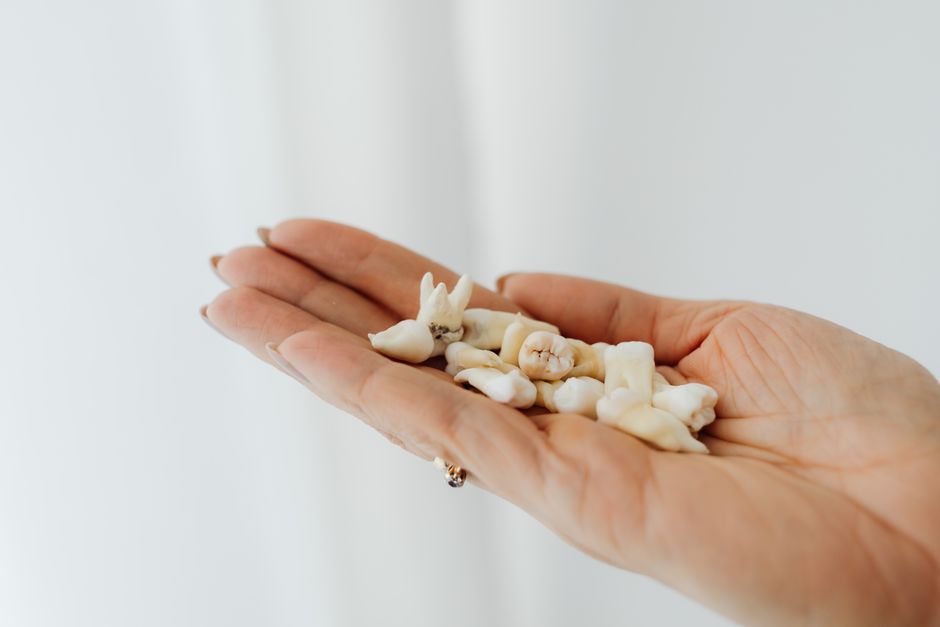
Wisdom tooth pain usually lasts anywhere from a few days to a couple of weeks, depending on what is causing it. If the pain comes from a tooth pushing through the gum, it often eases within several days. If it comes from an infection or a cavity, it can last longer and may get worse without treatment. The timeline matters less than the cause, because the cause decides what happens next.
How Long Does Wisdom Tooth Pain Last?
Most people feel the worst pain in the first two to three days after a wisdom tooth starts breaking through the gum. From there, it tends to fade over about a week. Some soreness can linger longer if the tooth is still moving or if the gum around it stays swollen.
Pain from an impacted wisdom tooth — one that cannot fully break through — often follows a different pattern. It may come and go for weeks or months. Each flare-up can last several days. That on-and-off pattern is one of the clearest signs that the tooth is not coming through normally.
Pain after wisdom tooth removal is a separate situation. Dentists generally describe the first 24 to 72 hours as the most uncomfortable, with steady improvement after that. Mild soreness can last up to a week or two. If pain suddenly gets worse around day three or four instead of better, that is a reason to call the dentist.
What Causes Wisdom Tooth Pain in the First Place?
Wisdom teeth, also called third molars, are the last teeth to arrive. They usually show up between the ages of 17 and 25. By that point, the jaw has largely finished growing, and there may not be enough room left for four more teeth.
That lack of space is behind most wisdom tooth pain. When a tooth pushes into a space that is too small, it can press on nearby teeth, lean sideways, or get stuck partway through the gum. Dentists call a tooth that cannot fully erupt impacted.
There is a detail many people miss. A wisdom tooth does not have to be impacted to hurt. Even a tooth that comes in straight can cause pain if the gum over it gets irritated, or if the tooth is hard to reach with a toothbrush and develops a cavity.
Common causes of wisdom tooth pain include:
- The tooth pressing through gum tissue as it erupts
- A tooth trapped under the gum or angled against a neighbor
- Swelling and irritation of the gum flap over a partly erupted tooth
- Tooth decay, since third molars are hard to clean
- Pressure on the teeth and bone around it
How Do You Know If It Is Eruption Pain or Something Worse?
Eruption pain is usually a dull ache or pressure. It tends to sit in the back of the jaw and may come with mild swelling. It often responds to over-the-counter pain relievers and tends to improve with time.
Pain from an infection behaves differently. It tends to be sharper, throbbing, or constant. It may spread toward the ear or down the jaw. You might notice swelling in the face or jaw, bad breath, a bad taste, or trouble opening your mouth. Fever is another warning sign.
These signs point to a problem that needs a dentist, not home care. An infection around a wisdom tooth can spread into the surrounding tissue. That is not something to wait out.
One more distinction is worth making. A cavity in a wisdom tooth often causes pain that is triggered by hot, cold, or sweet foods, then fades. Nerve-related pain from a deep cavity can linger after the trigger is gone. Either way, a dentist needs to look at it.





What Helps With Wisdom Tooth Pain?
For short-term relief, several simple steps are widely used. Over-the-counter pain relievers such as ibuprofen or acetaminophen can ease discomfort. Follow the label directions and check with a pharmacist or doctor if you take other medications or have health conditions.
Rinsing with warm salt water can help calm irritated gum tissue. So can holding a cold pack against the outside of the jaw for short periods. Soft foods and chewing on the other side reduce pressure on the sore area.
Good oral care still matters. Keeping the area clean with a soft toothbrush can lower the chance of decay and gum irritation. If the tooth is hard to reach, a dentist can advise on the best way to clean it.
What does not work is waiting indefinitely on a tooth that keeps flaring up. Repeated pain is a signal. So is pain that wakes you at night or keeps getting worse. In those cases, home care only buys time.
When Should You See a Dentist?
See a dentist if the pain lasts more than a few days, keeps returning, or comes with swelling, fever, or trouble opening your mouth. Those signs suggest an infection or a tooth that needs treatment.
An exam and X-rays tell the dentist whether the tooth is impacted, whether it has decay, and how it sits relative to nearby teeth and nerves. That information drives the decision about whether to treat the tooth or remove it.
Not every wisdom tooth needs to come out. A tooth that is healthy, fully erupted, positioned correctly, and easy to clean may be left alone. A tooth that is impacted, causing pain, damaging a neighbor, or showing decay is more likely to be removed.
Dentists often recommend removal earlier rather than later when a problem tooth is found. Younger patients tend to heal faster and have fewer complications, because the roots are not fully formed and the bone is less dense. This is common clinical guidance rather than a strict rule, and the right timing depends on the individual case.
What to Expect After Wisdom Tooth Removal
Recovery follows a fairly predictable pattern. The first day is usually the most uncomfortable. Swelling often peaks in the first two to three days, then starts to go down. Most people can return to normal routines within a few days, though full healing of the gum and bone takes weeks.
Your dentist will give specific aftercare instructions. These usually include not smoking, avoiding straws, and not rinsing forcefully for the first day, because these actions can dislodge the blood clot that protects the healing socket.
Watch for a specific complication. If pain gets sharply worse around day three or four instead of better, and you feel throbbing that spreads toward the ear, that can be a sign of a dry socket. It happens when the protective blood clot is lost. It is treatable, but it needs a dentist.
Call your dentist if you have heavy bleeding that will not stop, fever, pus, numbness that does not go away, or pain that keeps getting worse. Those are not normal parts of healing.
Do Wisdom Teeth Always Cause Problems?
No. Many people have wisdom teeth that never cause trouble. Some never develop them at all. The teeth can stay quiet for years and only become a problem later.
That is why routine dental visits matter. A dentist can track wisdom teeth over time with X-rays and catch changes before they turn into pain. A tooth that looks fine today can shift or decay months later, especially if it is hard to clean.
The takeaway is simple. Wisdom tooth pain is common, and most short flare-ups settle within days. Pain that lasts, returns, or comes with swelling or fever is a sign to get it checked. The cause is what decides how long it lasts and what comes next.
Frequently Asked Questions
How long does wisdom tooth pain usually last?
Most eruption pain eases within a few days to about a week. Pain from an impacted or infected tooth can last longer or keep coming back until it is treated.
How long does pain last after wisdom tooth removal?
The first 24 to 72 hours are usually the most uncomfortable, with steady improvement after that. Mild soreness can last up to a week or two.
When should I worry about wisdom tooth pain?
Get it checked if pain lasts more than a few days, keeps returning, or comes with swelling, fever, or trouble opening your mouth. Those signs can point to an infection.
Can wisdom tooth pain go away on its own?
Short eruption pain often does settle on its own. Pain from an impacted or infected tooth usually does not, and it tends to return until a dentist treats the cause.
