
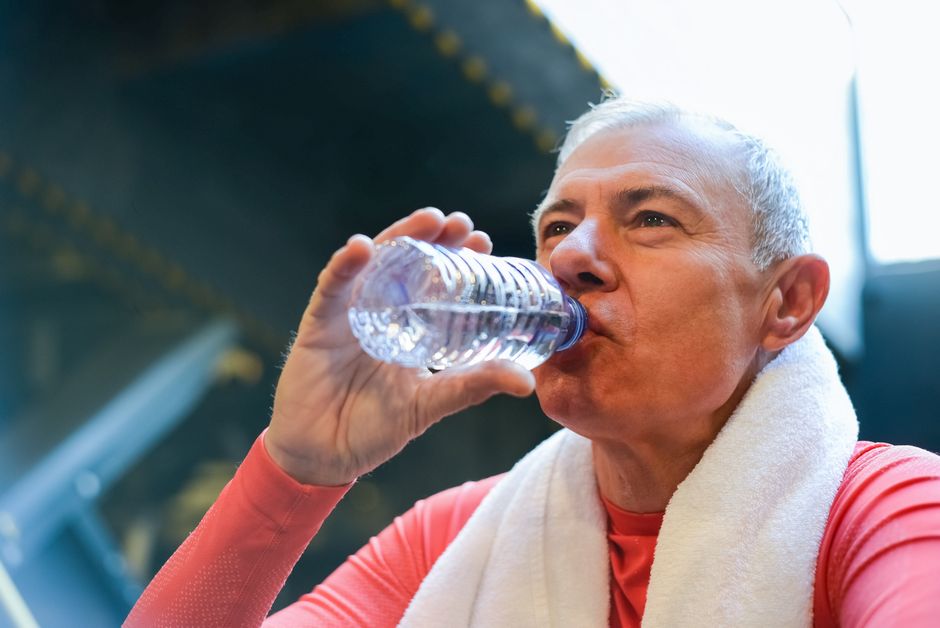
Drinking water the right way is not about chugging eight glasses a day. It is about timing and amount that match what your body actually needs. The simplest rule is to drink when you are thirsty, sip throughout the day rather than gulping large amounts at once, and stop when you no longer feel thirsty. Your kidneys handle the rest.
How Much Water Do You Actually Need Each Day?
The old “eight glasses a day” rule is not based on strong science. It came from a loose interpretation of a 1945 recommendation that said people need about 2.5 liters of water daily — but that included water from food. The National Academies of Sciences, Engineering, and Medicine sets more specific numbers. They recommend about 3.7 liters (125 ounces) per day for men and 2.7 liters (91 ounces) for women. But again, that includes all fluids and water from food.
Your actual need depends on your body size, activity level, climate, and how much you sweat. A 150-pound person sitting in an air-conditioned office needs less than a 200-pound person doing manual labor in Arizona in July. A more practical guideline is to drink between half an ounce and one ounce of water per pound of body weight each day. For a person weighing 160 pounds, that is 80 to 160 ounces. Start at the lower end and adjust based on thirst and urine color.
What Is the Best Way to Time Your Water Intake?
Timing matters more than most people realize. Drinking water at the wrong times can make you uncomfortable or even interfere with digestion and sleep. The most effective approach is to spread your water intake evenly across the day rather than drinking large amounts in a short window.
Start your morning with a glass of water. Your body becomes slightly dehydrated overnight because you have gone hours without drinking. A 2010 study in the Journal of Clinical Endocrinology and Metabolism found that drinking water in the morning raised metabolic rate by about 24 percent for 60 minutes. That is a modest effect, but it is real. Drink a glass 30 minutes before meals to help with portion control. Research published in Obesity in 2015 showed that people who drank 500 milliliters (about 17 ounces) of water before meals lost more weight over 12 weeks than those who did not.
Avoid drinking large amounts within an hour of bedtime. Your kidneys process water and send it to your bladder. Drinking too much before sleep means waking up to urinate, which disrupts sleep cycles. One or two sips are fine. A full glass is not.
How To Drink Water Properly Timing And Amount During Exercise
Exercise changes your water needs significantly. The American College of Sports Medicine recommends drinking 16 to 20 ounces of water four hours before exercise and another 8 to 12 ounces 10 to 15 minutes before starting. During exercise, drink 3 to 8 ounces every 15 to 20 minutes. After exercise, drink 16 to 24 ounces for every pound of body weight lost during the workout.
These numbers are guidelines, not strict rules. Your thirst mechanism is a reliable guide for most people during moderate exercise lasting under an hour. For longer or more intense sessions, especially in heat, thirst alone may not be enough. Weigh yourself before and after exercise to see how much fluid you lost. Replace that lost weight with water over the next few hours.
Sports drinks are not necessary for most people. They contain sugar and electrolytes that help only during prolonged exercise lasting longer than 60 to 90 minutes at high intensity. For a 30-minute jog or a standard gym session, water is all you need. Drinking sugary sports drinks when you do not need them adds empty calories and can cause blood sugar spikes.


Does Drinking Water With Meals Help or Hurt Digestion?
There is a persistent myth that drinking water with meals dilutes stomach acid and harms digestion. That is not true. Your stomach maintains a fairly stable pH regardless of how much water you drink with food. A 2016 review in Digestive Diseases and Sciences found no evidence that water with meals impairs digestion. In fact, water helps break down food so your body can absorb nutrients more easily.
Drinking water with meals can also help you eat less. A 2010 study in the Journal of the American Dietetic Association found that adults who drank water with their meals consumed fewer calories than those who did not. The water adds volume to the stomach without adding calories, which signals fullness to your brain earlier. The key is to sip slowly rather than gulp. Drinking too fast can cause bloating and discomfort.
How Can You Tell If You Are Drinking Enough Water?
Your body gives clear signals about hydration status. The most reliable everyday indicator is urine color. Pale yellow or straw-colored urine means you are well hydrated. Dark yellow or amber urine means you need more water. Clear urine can mean you are drinking too much, which can be dangerous in extreme cases.
Thirst is another signal, but it is not perfect. By the time you feel thirsty, you are already about 1 to 2 percent dehydrated. That level of dehydration is not harmful for most people, but it can affect mood and cognitive performance. A 2012 study in the Journal of Nutrition found that even mild dehydration caused headaches, fatigue, and difficulty concentrating in healthy young women.
Other signs of dehydration include dry mouth, infrequent urination, dark urine, headache, dizziness, and constipation. If you notice these signs, increase your water intake gradually over the next few hours. Do not try to rehydrate all at once. Drinking too much water too fast can cause hyponatremia, a condition where sodium levels in your blood drop to dangerous levels.
| Hydration Level | Urine Color | Common Symptoms |
|---|---|---|
| Well hydrated | Pale yellow | None |
| Mildly dehydrated | Dark yellow | Headache, fatigue, dry mouth |
| Severely dehydrated | Amber or brown | Dizziness, confusion, infrequent urination |
| Overhydrated | Clear | Nausea, headache, confusion in extreme cases |
What Are Common Mistakes People Make With Water Intake?
Many people drink too much water at once. Gulping down a liter of water in five minutes does not hydrate you better. Your kidneys can only process about 800 to 1,000 milliliters (27 to 34 ounces) of water per hour. Any excess is excreted as urine. Drinking too fast also causes bloating and discomfort. Sip steadily throughout the day instead.
Another mistake is relying only on thirst. As mentioned, thirst kicks in after you are already slightly dehydrated. This is not a problem for most people in normal conditions, but athletes, older adults, and people in hot climates should drink water at regular intervals even if they do not feel thirsty. Older adults have a reduced thirst sensation and are at higher risk for dehydration.
Some people avoid water because they think it will make them retain water. That is backward. When you are dehydrated, your body holds onto water to prevent further loss. Drinking enough water actually reduces water retention. Your body gets the signal that water is plentiful and stops holding onto it.
Does the Temperature of Water Matter?
Cold water is not better than room temperature water, and warm water is not a magic health tonic. The temperature of water has minimal effect on how your body absorbs or uses it. A 2012 study in the International Journal of Sports Medicine found no difference in hydration status between people who drank cold water versus room temperature water during exercise.
Some people report that warm water helps with digestion or constipation. The evidence for this is weak. A 2016 review in the Journal of Neurogastroenterology and Motility found that drinking warm water may slightly improve bowel movements in people with constipation, but the effect was small. Drink water at whatever temperature makes you want to drink more. That is what matters most.
Ice-cold water can cause discomfort in some people with sensitive teeth or throat issues. If that applies to you, room temperature water is a better choice. The bottom line is that the temperature of your water is a personal preference, not a health decision.
Common Misconceptions About Water and Hydration
The idea that you must drink eight glasses of water a day is not supported by evidence. That number came from a misinterpretation of a 1945 recommendation and has been repeated so often that people believe it is fact. Your actual needs vary daily based on activity, climate, and diet. Foods like fruits, vegetables, and soups contribute significantly to your total water intake. Watermelon, cucumbers, and lettuce are over 90 percent water by weight.
Another myth is that caffeinated drinks dehydrate you. Caffeine has a mild diuretic effect, but the fluid in coffee or tea more than makes up for it. A 2014 study in PLOS ONE found no difference in hydration status between people who drank coffee and those who drank water. The same applies to tea and soda. These beverages count toward your daily fluid intake. The exception is alcohol, which is a strong diuretic and does contribute to dehydration.
Some people believe that drinking water flushes toxins from your body. That is a vague and misleading claim. Your kidneys and liver handle toxin removal. Water helps your kidneys work properly by providing the fluid needed to produce urine. Without enough water, your kidneys cannot filter waste effectively. But drinking extra water does not “flush” anything beyond what your kidneys are already doing.
Frequently Asked Questions
How much water should I drink each day?
Most men need about 125 ounces and most women need about 91 ounces of total water daily, including water from food. Adjust based on your activity level, climate, and thirst.
Is it bad to drink water with meals?
No. Drinking water with meals does not dilute stomach acid or harm digestion. It can help you eat less by adding volume to your stomach.
Should I drink water even if I am not thirsty?
Only if you are exercising heavily, in a hot climate, or are an older adult with reduced thirst sensation. For most people, thirst is a reliable guide.
Can you drink too much water?
Yes. Drinking excessive water too fast can cause hyponatremia, where sodium levels in your blood drop dangerously. Stick to steady sipping throughout the day.
