
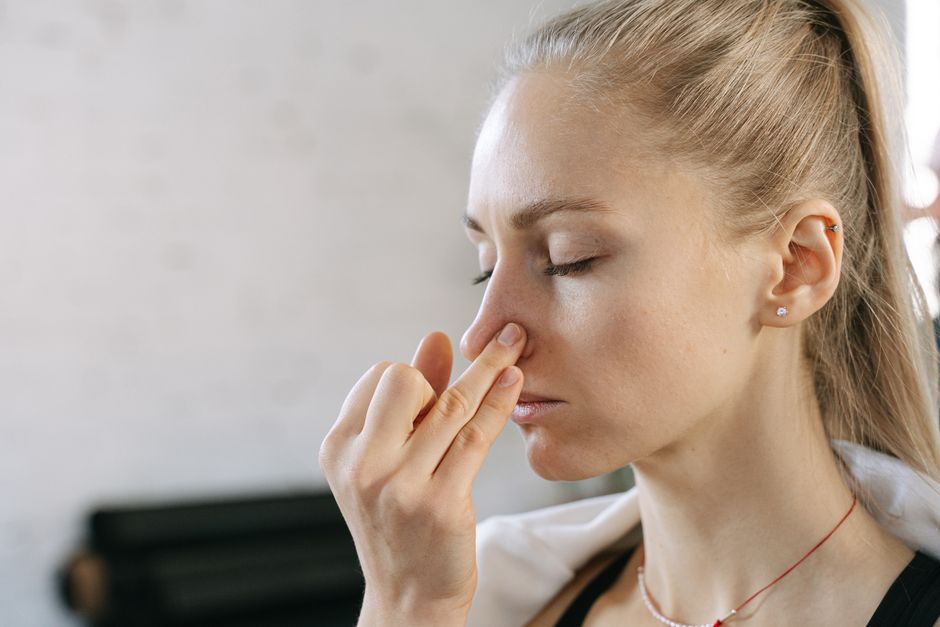
Breathing after septoplasty takes practice and patience. Right after surgery, your nose will feel stuffy and swollen. The goal is to breathe through your mouth until the swelling goes down, then slowly retrain your nose to handle airflow again. Most people can breathe noticeably better within two weeks, but full healing takes months. The key is to follow your surgeon’s aftercare instructions exactly and avoid blowing your nose too soon.
How Long Until I Can Breathe Normally After Septoplasty?
Healing times vary from person to person. Research shows that most patients see major improvement in breathing within the first two to four weeks. But “normal” breathing can take three to six months to fully return. This is because the tissues inside your nose need time to heal and swelling needs to completely subside.
In the first week after surgery, your nose will be blocked with blood clots, mucus, and swelling. This is normal and expected. Your surgeon may place splints or packing inside your nose to support the new shape of your septum. These are usually removed within a week. Once they come out, you will start to feel air moving through your nose again, though it may still feel tight.
Some people notice gradual improvement over several months as the nasal passages fully open. Current research suggests that around 80 percent of patients report significant improvement in breathing after one year. The remaining 20 percent may have other issues like allergies or turbinate problems that need separate treatment.
What Should I Do Immediately After Surgery to Help Breathing?
Right after septoplasty, your priority is keeping your airway clear of mucus and blood. Your surgeon will give you specific instructions, but here are the general steps most doctors recommend:
- Sleep with your head elevated on two or three pillows. This reduces swelling and helps drainage.
- Use a humidifier in your room. Dry air makes mucus thicker and harder to clear.
- Apply cold compresses to your eyes and cheeks for the first 48 hours. This reduces swelling around the nose.
- Take pain medication and antibiotics exactly as prescribed. Pain can make you tense up, which worsens breathing.
- Do not blow your nose for at least one week. Blowing can disrupt the healing septum and cause bleeding.
Many surgeons also recommend saline nasal sprays or rinses. These keep the inside of your nose moist and help loosen dried blood and mucus. Use a gentle spray, not a forceful rinse, for the first few days. Your doctor will tell you when it is safe to switch to a neti pot or squeeze bottle.
One non-obvious point: do not lie flat on your back. Lying flat increases blood flow to your head, which makes swelling worse. Sleeping slightly upright makes a real difference in how easy it is to breathe through your mouth and nose.
How To Breathe Properly After Septoplasty During Recovery
Learning to breathe properly after septoplasty means retraining your body to use your nose again. Many people develop a habit of mouth breathing after surgery because their nose feels blocked. This habit can stick even after the nose heals. You need to actively practice nasal breathing once your surgeon says it is safe.
Start by taking slow, gentle breaths through your nose. Do not force air in or out. If one nostril feels more open than the other, that is normal. The nasal cycle continues even after surgery. Breathe through the clearer side and let the other side rest. Over time, both sides will open up.
Practice diaphragmatic breathing. Place one hand on your belly and one on your chest. Breathe in slowly through your nose for four seconds. Your belly should rise, not your chest. Hold for a second, then exhale gently through your mouth for six seconds. Do this for five minutes, three times a day. This trains your body to use your nose as the primary airway.
Avoid sniffing hard. Sniffing creates negative pressure inside your nose, which can pull on the healing septum and cause bleeding. Instead, gently wipe any discharge from the front of your nostrils with a soft tissue. If you feel the urge to clear your nose, use a saline rinse as directed by your doctor.





What Breathing Exercises Help After Septoplasty?
Breathing exercises can speed up recovery and improve nasal airflow. One well-studied technique is alternate nostril breathing. This involves gently closing one nostril with your finger and breathing in through the other, then switching sides. Do this for two to three minutes once a day. It helps balance airflow between both nostrils.
Another effective exercise is the “pursed lip” technique. Breathe in slowly through your nose for two seconds. Pucker your lips as if you are about to whistle. Breathe out gently through your mouth for four seconds. This keeps your airways open and prevents you from hyperventilating when your nose feels blocked.
Some surgeons recommend “humming breathing.” Humming creates vibrations that can help loosen mucus inside the nasal passages. Hum gently while exhaling through your mouth. Do not hum loudly or forcefully. This is safe to start about one week after surgery, once any packing or splints are removed.
Be cautious with any exercise that involves holding your breath or bearing down. Activities like weightlifting or yoga poses that require breath holding can increase pressure inside your nose and cause bleeding. Stick to gentle, slow breathing exercises for the first month.
| Exercise | When to Start | Duration | Key Benefit |
|---|---|---|---|
| Diaphragmatic breathing | Day 1 | 5 minutes, 3x daily | Trains nasal breathing habit |
| Alternate nostril breathing | After splint removal (day 5-7) | 2-3 minutes daily | Balances airflow between nostrils |
| Pursed lip breathing | Day 1 | As needed | Prevents hyperventilation |
| Humming breathing | After splint removal | 1-2 minutes daily | Loosens mucus |
What Should I Avoid During Recovery to Protect My Breathing?
The most important thing to avoid is anything that increases pressure inside your nose. This includes blowing your nose, sneezing with your mouth closed, and lifting heavy objects. Sneezing is unavoidable, but when you feel it coming, open your mouth wide and let the sneeze out through your mouth. This reduces pressure on the septum.
Avoid strenuous exercise for at least two weeks. Running, weightlifting, and bending over all increase blood pressure in your head and can cause bleeding. Stick to walking at a slow pace. Your surgeon will tell you when it is safe to resume normal activity, usually around two to three weeks after surgery.
Do not use nasal decongestant sprays like oxymetazoline (Afrin) unless your surgeon specifically tells you to. These sprays can cause rebound congestion and damage the healing tissues inside your nose. Saline sprays are safe because they only contain salt and water.
Smoking and vaping are strongly discouraged. Nicotine constricts blood vessels and slows healing. Smoke and vapor also irritate the nasal lining. If you smoke, try to stop for at least two weeks before and after surgery. This is widely claimed by surgeons, and strong evidence from wound healing studies supports it.
Do not fly on an airplane for at least two weeks after surgery. Changes in cabin pressure can cause swelling and bleeding inside your nose. If you must fly, ask your surgeon about using a saline spray during the flight to keep your nasal passages moist.
Common Misconceptions About Breathing After Septoplasty
One common myth is that your nose will feel completely open right after surgery. This is not true. In fact, most people feel more blocked in the first week than they did before surgery. This is because of swelling and packing. It does not mean the surgery failed. It means your body is healing.
Another misconception is that you should breathe only through your nose as soon as possible. Forcing nasal breathing when your nose is still swollen can lead to frustration and anxiety. Mouth breathing is fine during the first few days. The goal is to slowly transition to nasal breathing as swelling goes down.
Some people believe that if they can breathe through their nose after surgery, they are fully healed. Nasal breathing can improve quickly, but the septum continues to heal for months. The cartilage needs time to stabilize in its new position. Even if you feel good, avoid activities that could bump or injure your nose for at least six weeks.
As of 2026, there is no clinical evidence that special pillows or devices marketed for post-surgery breathing actually speed up recovery. A simple stack of pillows to keep your head elevated works just as well. Save your money for things that have proven benefit, like saline rinses and a humidifier.
Frequently Asked Questions
When can I blow my nose after septoplasty?
Most surgeons advise waiting at least one week before blowing your nose. Blowing too soon can disrupt the healing septum and cause bleeding.
Is it normal to still feel blocked after two weeks?
Yes, some swelling can last for several weeks. It is normal to feel some blockage for up to three months as tissues fully heal.
Can I use a neti pot after septoplasty?
Only use a neti pot if your surgeon says it is safe, usually after splints are removed. Use sterile or distilled water to avoid infection.
How do I know if my breathing is improving?
You should notice gradual improvement week by week. If breathing gets worse after the first month, contact your surgeon to check for complications.
