
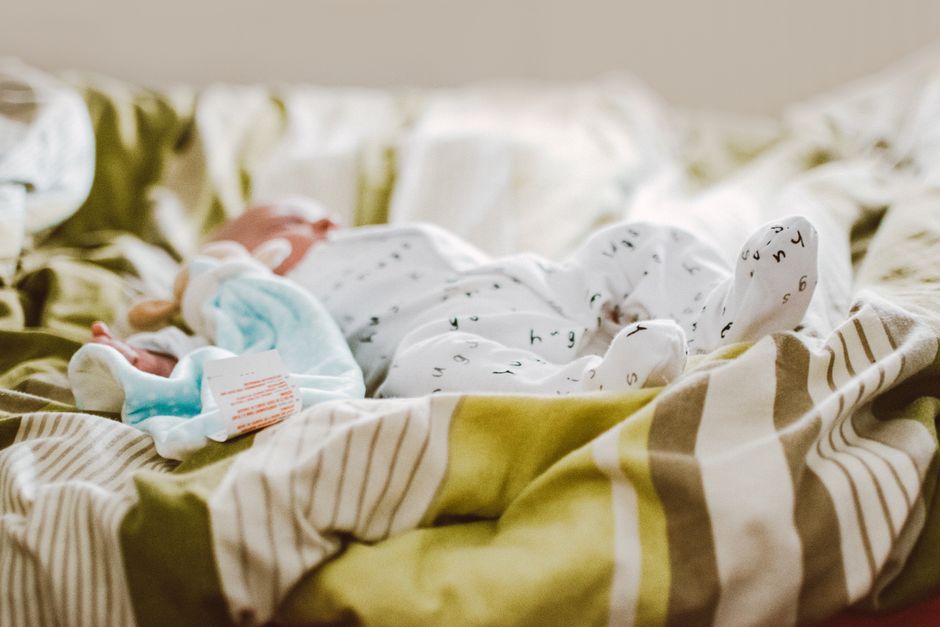
Dressing a newborn for sleep on a hot summer night comes down to one simple rule: one light layer, or just a diaper, is usually enough. Your goal is to keep your baby cool and comfortable, not bundled. Overheating is a known risk factor for Sudden Infant Death Syndrome (SIDS), so keeping your baby cool is a safety priority, not just a comfort one.
What Should A Newborn Wear To Sleep In The Heat?
The safest and simplest approach is to dress your newborn in just a diaper, or a single lightweight layer. A short-sleeved onesie or a thin cotton sleep sack is typically all that is needed when the room temperature is above 75°F.
Think about what you would wear to sleep in the same room. If you are comfortable in just a t-shirt and shorts, your baby will likely be comfortable in a similar amount of clothing. Babies do not need extra layers just because they are babies.
If you are using a swaddle, stick to a single layer of thin cotton or muslin. Do not add a blanket on top of a swaddle. A swaddle already counts as a layer, and adding more can cause overheating.
How Do I Know If My Baby Is Too Hot Or Too Cold?
The most reliable way to check your baby’s temperature is to feel the back of their neck or their chest. These areas should feel warm and dry. If they feel sweaty or damp, your baby is too hot and you should remove a layer.
Do not rely on your baby’s hands or feet to judge their temperature. It is completely normal for newborns to have cooler hands and feet because their circulatory system is still developing. Cool extremities do not mean your baby is cold.
Look for signs of overheating, which include flushed skin, rapid breathing, sweating, or irritability. If you notice any of these, remove clothing immediately and offer a feeding to keep your baby hydrated.
What Room Temperature Is Safest For A Sleeping Newborn?
Most pediatric experts recommend keeping the nursery between 68°F and 72°F. This range is considered safe for sleep and reduces the risk of overheating.
During a heatwave, it can be difficult to keep a room that cool without air conditioning. If you do not have AC, use a fan to circulate air in the room, but do not point it directly at your baby. Keep the room as dark as possible during the day to prevent the sun from heating it up, and open windows at night when outdoor temperatures drop.
If the room is warmer than 75°F, dress your baby in just a diaper and a very thin, breathable sleep sack. If the room is above 80°F, a diaper alone is appropriate. No clinical guidelines currently exist for sleeping in extreme heat, so prioritizing minimal clothing and hydration is the safest approach.





Are Sleep Sacks Better Than Blankets In Summer?
Yes, sleep sacks are a safer choice than loose blankets for all babies under one year old. Loose bedding in the crib increases the risk of suffocation and SIDS.
Choose a sleep sack that is labeled for summer or for warm weather. These are made from lighter materials like cotton or bamboo and have a lower tog rating. A tog rating measures thermal insulation. For summer nights, a 0.5 tog sleep sack is ideal. A 1.0 tog works for most standard room temperatures.
A sleep sack provides the comfort of being covered without the risk of a blanket covering your baby’s face. It also helps keep your baby’s temperature stable because they cannot kick it off during the night.
Should I Use A Swaddle During A Heatwave?
Swaddling can still be used in warm weather, but you must adjust the fabric. Use a single, thin muslin swaddle and stop swaddling entirely once your baby shows signs of rolling over, which usually happens around two to four months.
The risk with swaddling in heat is that it traps body heat close to the skin. If your home does not have air conditioning and the room is above 75°F, consider skipping the swaddle and using a simple short-sleeved onesie instead.
Watch your baby closely during the first few nights of a heatwave. Every baby responds to heat differently. If your baby seems fussy or sweaty while swaddled, remove the swaddle and use a lighter option.
What Fabrics Are Best For Newborn Sleepwear In Summer?
Natural, breathable fabrics are the best choice for summer sleepwear. Cotton and bamboo allow air to circulate and absorb moisture, which helps regulate body temperature.
Avoid synthetic fabrics like polyester, which trap heat and can make your baby sweat more. If a fabric feels sticky or warm to your touch, it will feel the same way to your baby.
Look for loose-fitting clothing that is not tight against the skin. Tight clothing restricts airflow and can cause skin irritation in hot weather. A simple cotton onesie that fits well but is not snug is the most comfortable option for a hot night.
What Should I Do If There Is No Air Conditioning?
If you do not have air conditioning, focus on cooling the room and your baby before bedtime. Take a lukewarm bath before bed — not a cold bath, which can cause a chill and then rebound overheating. Dress your baby in a single thin layer and place them on a breathable cotton sheet.
A fan can help circulate air, but it should be placed at a distance and not blowing directly on your baby. You can also cool the room by hanging a damp sheet in front of an open window or placing a bowl of ice in front of a fan to create cooler moving air.
Offer extra breast milk or formula feeds during hot nights. Hydration helps your baby regulate body temperature. Do not give your baby water if they are under six months old, as it can interfere with their electrolyte balance and nutrition.
Frequently Asked Questions
Is it okay for my newborn to sleep in just a diaper on a hot night?
Yes, a diaper alone is safe and often the best option when room temperatures are above 75°F. This allows maximum heat loss and prevents overheating.
What is a tog rating and what should I use for summer?
A tog rating measures the warmth of a sleep sack or blanket. For hot summer nights, choose a 0.5 tog sleep sack made of lightweight cotton or bamboo.
How can I tell if my newborn is overheating during sleep?
Feel the back of your baby’s neck or chest. If it is sweaty or damp, your baby is too hot. Flushed skin, rapid breathing, and irritability are also warning signs.
Should I put a fan in my baby’s room on hot nights?
Yes, a fan can help circulate air, but do not point it directly at your baby. Position it across the room to keep the air moving gently.
