
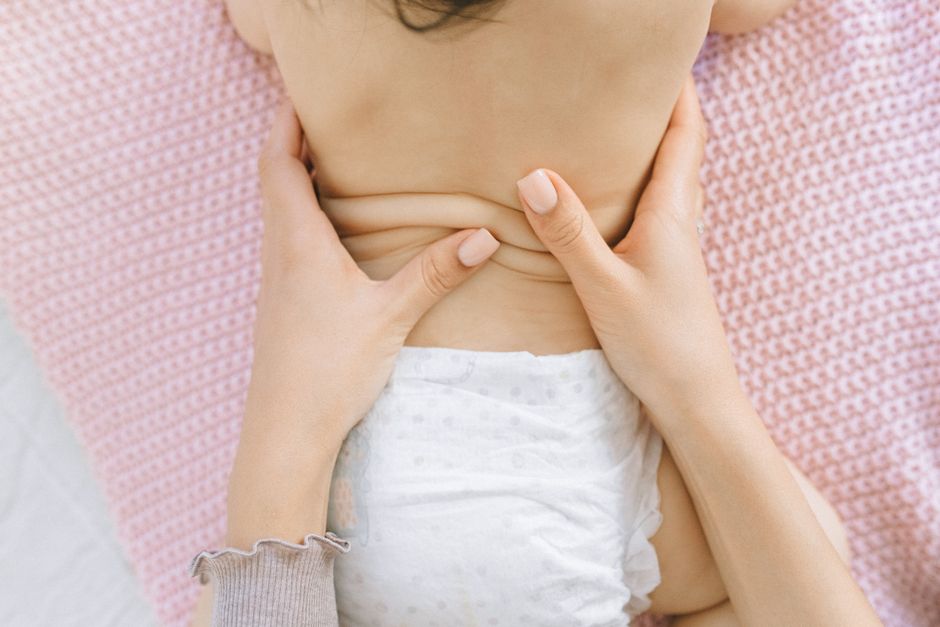
Newborn hiccups look alarming, but they are almost always harmless. These tiny spasms of the diaphragm are a normal reflex in babies under a year old. Most episodes stop on their own within a few minutes. The safest way to respond is to do nothing and let the hiccups pass. If you want to help, simple methods like a gentle burping session or offering a pacifier can often shorten the episode. You do not need to startle, pat, or feed your baby forcefully to stop hiccups.
Why Do Newborns Get Hiccups So Often?
Hiccups happen when the diaphragm contracts suddenly and the vocal cords snap shut. That snap creates the “hic” sound. In newborns, this reflex is easily triggered because their nervous system is still maturing.
Babies spend a lot of time feeding, and that activity often irritates the diaphragm. Swallowing air during a feed stretches the stomach. A full stomach pushes up against the diaphragm, which can trigger spasms. Temperature changes, like moving from a warm bath to a cooler room, can also set off hiccups.
Some babies hiccup in the womb. Fetal hiccups are a normal part of development. So the reflex is present before birth and continues after. It is not a sign of illness or distress.
How To Get Rid Of Hiccups In Newborn: What Actually Works
Most hiccup episodes resolve in 5 to 10 minutes without any intervention. If you want to try to stop them sooner, these methods are safe and commonly recommended by pediatricians.
Pause the feeding. If your baby hiccups during a bottle or breastfeed, stop for a moment. Let your baby rest in an upright position. This takes pressure off the diaphragm and lets swallowed air rise.
Burp your baby. Hold your baby against your shoulder or sit them upright on your lap. Gently pat or rub their back. This helps release trapped air that may be pushing on the diaphragm. Burping is especially helpful if hiccups start right after a feed.
Offer a pacifier. Sucking can help relax the diaphragm. The rhythmic motion of sucking may reset the breathing pattern and stop the spasms. If your baby is breastfed, wait until breastfeeding is well established before introducing a pacifier, usually around 3 to 4 weeks.
Try a gentle position change. Lay your baby on their back for a few minutes, then sit them upright again. A change in posture sometimes interrupts the reflex loop. Move slowly and gently. Sudden movements can make hiccups worse.
Use gripe water with caution. Some parents use gripe water for hiccups and gas. The evidence for its effectiveness is limited. If you choose to try it, pick a product without alcohol or sodium bicarbonate. Talk to your pediatrician first, especially if your baby is under 2 months old.
What Not To Do: Methods That Are Unsafe Or Useless
Several old-fashioned remedies are dangerous for newborns. Never use them.
- Do not startle your baby. A sudden loud noise or a fright does not reliably stop hiccups. It stresses your baby and can trigger more crying.
- Do not pull on the tongue. This is an old folk remedy with no evidence behind it. It can injure your baby’s mouth or gag reflex.
- Do not press on the eyeballs. This is dangerous. Pressure on the eyes can damage vision and is never appropriate for a baby.
- Do not give sugar water. The American Academy of Pediatrics advises against giving water to babies under 6 months. Sugar water offers no benefit for hiccups and can interfere with feeding.
- Do not use scare tactics or loud noises. These do not work and can make your baby upset. A crying baby swallows more air, which can prolong the hiccups.
Some parents try holding the baby upside down or shaking them gently. Both are unsafe. Never shake a baby under any circumstances. Shaking can cause severe brain injury.





When Hiccups Are A Sign Of Something Else
Hiccups are almost always benign. But in rare cases, frequent or prolonged hiccups can signal an underlying issue.
Gastroesophageal reflux, often called GER, is the most common condition linked to frequent hiccups in infants. Reflux happens when stomach contents flow back up into the esophagus. The acid irritates the diaphragm and triggers hiccups. If your baby also spits up often, arches their back during feeds, or seems uncomfortable after eating, reflux may be the cause.
Very rare causes of persistent hiccups include nerve damage, metabolic disorders, or central nervous system problems. These are uncommon. Most babies who hiccup frequently are perfectly healthy.
Contact your pediatrician if any of the following occur:
- Hiccups last longer than 1 hour without stopping.
- Hiccups interfere with feeding or sleeping.
- Your baby seems distressed or in pain during hiccups.
- Hiccups are accompanied by forceful vomiting, fever, or lethargy.
These signs do not automatically mean something is wrong. But they warrant a professional evaluation.
Can You Prevent Newborn Hiccups?
You cannot fully prevent hiccups. They are a normal reflex. But you can reduce how often they happen by adjusting feeding habits.
Feed before your baby is starving. A frantic, hungry baby gulps air along with milk. Offer the breast or bottle when you notice early hunger cues, like rooting or hand-to-mouth movements. Crying is a late hunger cue.
Keep the bottle angled properly. Hold the bottle so the nipple is full of milk, not air. This reduces the amount of air your baby swallows. Use a slow-flow nipple to control the pace.
Take burping breaks. For bottle-fed babies, pause every 2 to 3 ounces to burp. For breastfed babies, burp when switching breasts. This releases air before it accumulates and pushes on the diaphragm.
Keep your baby upright after feeds. Hold your baby upright for 20 to 30 minutes after a feeding. This uses gravity to keep stomach contents down and reduces pressure on the diaphragm. It also helps prevent reflux.
These steps reduce the frequency of hiccups but will not eliminate them entirely. That is fine. Hiccups are a normal part of newborn development and typically decrease after the first few months.
Are Hiccups Painful For Newborns?
No. Hiccups do not appear to cause pain or discomfort in newborns. Many babies sleep right through them. Some even seem to enjoy the sensation, based on their relaxed facial expressions.
Parents often feel more distressed than the baby does. The “hic” sound can be surprisingly loud from such a small body. But the reflex is not harmful. It does not affect breathing, oxygen levels, or feeding ability in a healthy baby.
If your baby is crying or fussing during hiccups, the discomfort is likely from something else, such as gas, hunger, or a wet diaper. Address those needs first. The hiccups will resolve on their own.
Does Gripe Water Or Simethicone Help?
Simethicone is the active ingredient in gas drops like Mylicon. It works by breaking up gas bubbles in the stomach. Some parents use it for hiccups because gas can trigger the reflex. The evidence for simethicone specifically treating hiccups is limited, but it is generally considered safe for infants when used as directed.
Gripe water is a herbal supplement. Formulas vary widely by brand. Common ingredients include fennel, ginger, chamomile, and sometimes sodium bicarbonate. The evidence for its effectiveness is weak. No large clinical trials have confirmed that gripe water stops hiccups. Some pediatricians advise against it because of inconsistent ingredients and the risk of allergic reactions.
If you decide to use either product, talk to your pediatrician first. Never combine them without medical advice. Follow the dosing instructions on the label exactly. Do not give these products to a baby who is choking or having trouble breathing.
Frequently Asked Questions
How long do newborn hiccups usually last?
Most episodes last between 5 and 10 minutes. If hiccups last longer than 1 hour, contact your pediatrician.
Can I feed my baby to stop hiccups?
Yes, but only if your baby is hungry. A small feed can relax the diaphragm, but force-feeding a full baby can make hiccups worse.
Should I wake my baby to stop hiccups?
No. If your baby is sleeping peacefully with hiccups, let them sleep. Waking your baby is unnecessary and can cause fussiness.
Are hiccups a sign of reflux in newborns?
Frequent hiccups can be linked to reflux, especially if your baby also spits up often or seems uncomfortable after feeds. Not all hiccups indicate reflux.
