
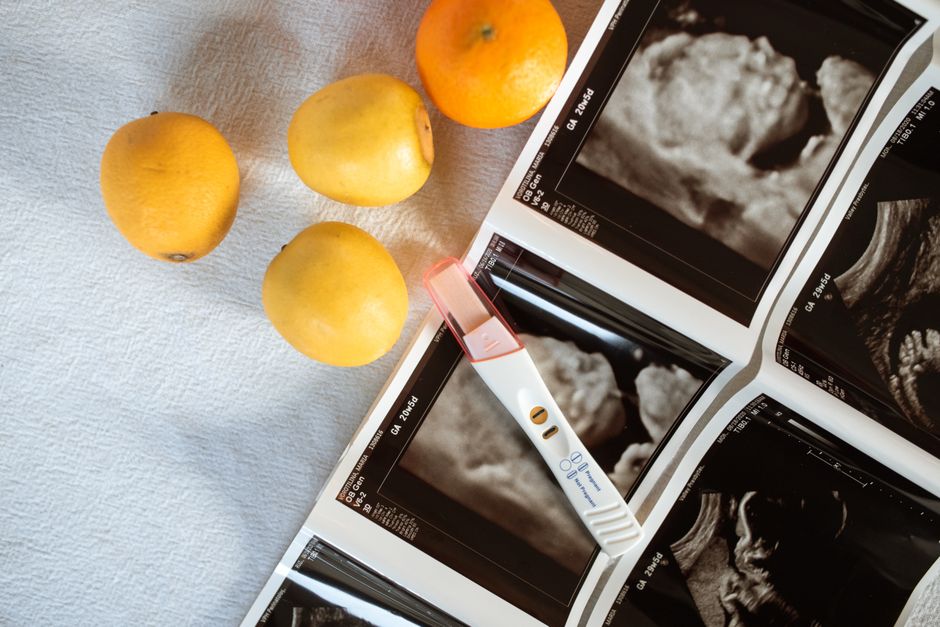
Natural family planning works by teaching you to identify the days each cycle when pregnancy is possible, then avoiding unprotected sex on those days. It does not use hormones, devices, or barriers. When followed correctly, fertility awareness-based methods can be effective, but typical-use effectiveness is generally lower than that of hormonal contraception or intrauterine devices because the method depends on consistent daily tracking and accurate interpretation of body signs.
What Does Natural Family Planning Actually Involve?
Natural family planning is a set of methods for preventing pregnancy by tracking fertility signs across the menstrual cycle. The core biology is straightforward: a woman can become pregnant only during a window of roughly five days before ovulation plus the day of ovulation itself. Sperm can survive in the reproductive tract for up to about five days, and the egg lives for roughly 12 to 24 hours after release.
That window exists because ovulation timing varies. The methods work by identifying when ovulation is approaching or has occurred, using one or more biological markers. The main approaches include:
- Calendar or rhythm methods — tracking cycle length to estimate fertile days
- Basal body temperature (BBT) — charting a small rise in resting temperature after ovulation
- Cervical mucus methods — observing changes in discharge consistency
- Symptothermal methods — combining temperature, mucus, and sometimes other signs
- Standard Days Method — a fixed fertile window for people with regular cycles
One clarification worth making: BBT confirms that ovulation has already happened. It does not predict it. That is why temperature alone is a weak standalone method — by the time your temperature rises, the fertile window has usually closed. Methods that combine signs generally perform better than single-sign approaches.
How Do You Track Fertility Signs Correctly?
Correct tracking is the difference between a method that works and one that fails. Each sign has specific rules, and getting them wrong is common.
Basal body temperature
Take your temperature every morning before getting out of bed, at roughly the same time, after at least three continuous hours of sleep. Use a basal thermometer, not a standard fever thermometer. Record it on a chart or app. After ovulation, progesterone raises resting temperature slightly — often by a few tenths of a degree Fahrenheit. The pattern matters more than any single reading.
Cervical mucus
Check mucus daily, typically by observing discharge or feeling at the vaginal opening. Before ovulation, estrogen makes mucus clear, slippery, and stretchy — similar to raw egg white. After ovulation, it becomes thicker or drier. The last day of clear, slippery mucus is generally considered the peak day, and the fertile window is counted around it.
Cycle length and calendar tracking
Calendar methods work only for people with fairly regular cycles. If your shortest and longest cycles vary widely, calendar-based estimates become unreliable. This is a real limitation, not a minor detail.
Consistency is what makes any of this work. Missed readings, irregular sleep, illness, travel, and stress can all shift temperature and mucus patterns and complicate interpretation.
How Effective Is Natural Family Planning, Really?
Effectiveness depends heavily on whether the method is used perfectly or typically — and the gap between those two numbers is large.
For most fertility awareness methods, perfect use is associated with a low pregnancy rate, while typical use is considerably higher. The difference reflects real-world factors: missed temperature readings, misread mucus, unprotected sex on a borderline day, and cycles that do not follow the textbook pattern.
By comparison, hormonal contraceptives and intrauterine devices have typical-use failure rates that are generally lower and less dependent on daily user behavior. This is not a reason to dismiss natural methods — it is a reason to be honest about what they require.
A few things reliably improve effectiveness:
- Learning from a trained instructor rather than a book or app alone
- Combining multiple signs instead of relying on one
- Abstaining during the fertile window rather than relying on withdrawal
- Tracking consistently for several cycles before relying on the method
Apps can help you record data, but an app’s algorithm does not replace understanding your own signs. Some apps make predictions based on averages that may not match your actual cycle.



Who Is Natural Family Planning Best Suited For?
These methods tend to work best for people with regular cycles who are highly motivated to track daily and who are comfortable abstaining or using barriers during fertile days. They can also suit people who avoid hormonal contraception for personal, religious, or health reasons.
They tend to be a poor fit in specific situations:
- Very irregular cycles, which make prediction unreliable
- Recent childbirth, breastfeeding, or perimenopause, when cycles are unpredictable
- Conditions like polycystic ovary syndrome that disrupt ovulation patterns
- Situations where an unintended pregnancy would carry serious health risks
- Anyone who cannot commit to daily tracking
If pregnancy would pose a significant medical risk, it is worth discussing more reliable methods with a clinician. Natural family planning is not the right tool for everyone, and saying so is part of giving honest guidance.
What Are the Common Mistakes That Cause Failure?
Most method failures trace back to predictable errors rather than bad luck.
The biggest one is treating the fertile window as fixed. Ovulation can shift from cycle to cycle due to stress, illness, travel, or sleep changes. A method that assumes ovulation always happens on day 14 will miss earlier or later ovulation.
Other frequent mistakes:
- Relying on temperature alone, which only confirms ovulation after the fact
- Misreading mucus — confusing semen, arousal fluid, or infection with fertile mucus
- Taking temperature after getting up, which invalidates the reading
- Using a calendar method with irregular cycles
- Resuming unprotected sex too soon after the peak day
Another overlooked point: the fertile window is defined by sperm survival and egg viability, not by a single “ovulation day.” Many people focus entirely on ovulation and forget that the days before it matter just as much.
How Do You Get Started the Right Way?
Start by learning a specific method properly. The evidence supports instruction from a trained teacher over self-teaching for most fertility awareness approaches, because the rules for interpreting signs are easy to get subtly wrong.
A practical sequence:
- Choose one method — symptothermal, cervical mucus, or another — and learn its rules
- Track every day for at least three full cycles before relying on it for contraception
- Record temperature, mucus, and cycle dates consistently
- Review your charts with an instructor or knowledgeable clinician
- Have a backup plan for fertile days and for any cycle that looks unusual
It also helps to talk with a healthcare provider, especially if you take medications, have a thyroid condition, or have irregular cycles. Some health conditions and medications affect temperature and ovulation in ways that change how you should interpret your signs.
Natural family planning is a legitimate approach with real evidence behind it — and real limits. It rewards patience and consistency, and it punishes guesswork. Understanding both sides is what makes it work.
Frequently Asked Questions
Can natural family planning be as effective as the pill?
Perfect use of some fertility awareness methods approaches the effectiveness of hormonal contraception, but typical use is generally less effective. The gap is larger for natural methods because they depend on daily tracking and correct interpretation.
Can I use natural family planning with irregular periods?
Calendar-based methods become unreliable with irregular cycles because ovulation timing cannot be predicted well. Symptothermal methods that track temperature and mucus may still be usable, but they are harder to interpret and generally less dependable.
Does basal body temperature tell you when you are fertile?
No — basal body temperature rises after ovulation, so it confirms that ovulation has already occurred rather than predicting it. That is why temperature works best combined with other signs like cervical mucus.
Do fertility tracking apps make natural family planning more reliable?
Apps can help you record and see patterns, but they do not replace understanding your own body signs. An app’s predictions are only as good as the data you enter and the method it uses.
