
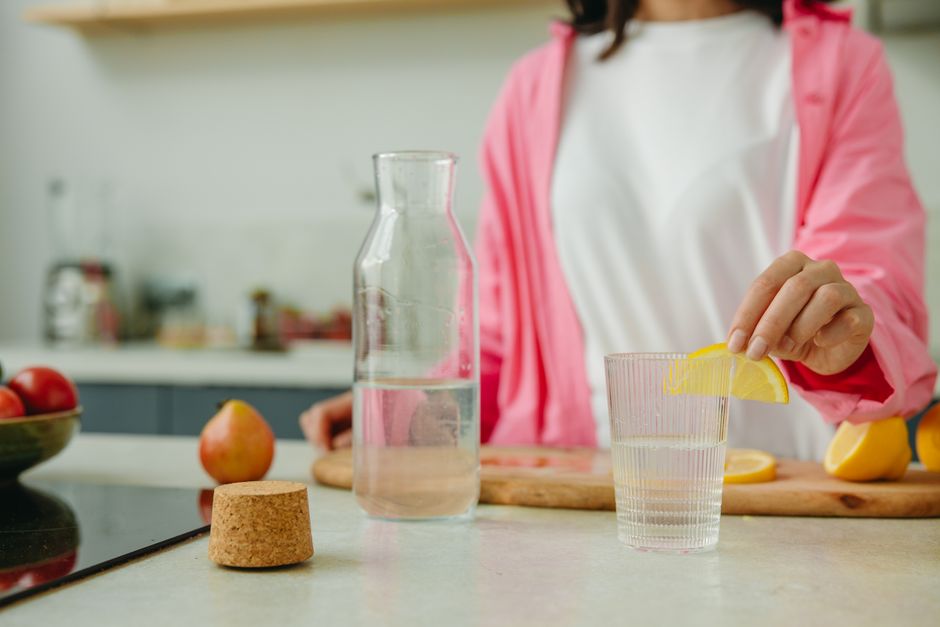
A water cleanse, often called a water fast, means consuming only water for a set period. It is not a gentle detox trend; it is a significant physiological event that forces your body to switch fuel sources. Doing it safely requires preparation, a clear plan, and a careful exit strategy. The safest way to approach a water cleanse is to start with a short duration, prepare your body beforehand, and break the fast slowly with easily digestible foods.
What Exactly Happens to Your Body During a Water Cleanse?
When you stop eating, your body first uses stored glucose (glycogen) for energy. This supply typically lasts about 24 hours. Once glycogen is depleted, your body shifts to burning fat for fuel. This process produces molecules called ketones, which your brain and muscles can use for energy. This metabolic switch is the core physiological change of a water fast.
During the first 24 to 48 hours, you may experience hunger, fatigue, and headaches. These symptoms are common and often subside as your body adapts. After the initial phase, many people report feeling more alert and having a strange sense of mental clarity. This is likely due to the stable energy from ketones rather than the spikes and crashes of glucose from a typical diet. Your body is also conserving energy normally used for digestion, redirecting it toward other maintenance processes.
Who Should Not Attempt a Water Cleanse?
A water cleanse is not safe for everyone. Certain groups must avoid it entirely. This includes pregnant women, breastfeeding mothers, and children. People with a history of eating disorders should not fast without direct medical supervision. Individuals with type 1 diabetes face a high risk of dangerous blood sugar swings and ketoacidosis. Those with kidney disease or who are taking blood pressure or blood sugar medications also need to avoid water fasting unless a physician explicitly manages the process.
If you are over 65 or have a chronic health condition, speak with your doctor before considering any fast. Water fasting puts real stress on your body’s electrolyte balance. Without food, you lose sodium and potassium through urine, which can lead to dizziness, heart palpitations, and fainting. Do not attempt a fast longer than 24 hours without medical clearance if you have any underlying health concern.
How To Prepare Your Body Before the Fast
Preparation is not about starving yourself before the fast. It is about easing your body into a lower workload. Do not start a water cleanse after a heavy meal or a holiday feast. Instead, spend two to three days eating lighter meals. Focus on whole foods like vegetables, fruits, lean proteins, and whole grains. Reduce your intake of processed foods, sugar, caffeine, and alcohol.
This pre-fast phase helps stabilize your blood sugar and depletes some glycogen stores gradually. It also reduces withdrawal symptoms from caffeine and refined sugar once you begin the fast. On the day before the fast, keep your last meal moderate in size and low in fat. A large, greasy meal before fasting can cause nausea and digestive upset during the first day of the cleanse.


How To Do A Water Cleanse Safely Step By Step
Follow these steps in order to minimize risk and improve your experience.
Step 1: Set a short duration. If you are new to fasting, do not attempt a multi-day fast. Start with a 24-hour fast. This means you finish dinner one evening and do not eat again until dinner the next day. This timeframe is manageable for most healthy adults and gives you a clear picture of how your body responds.
Step 2: Hydrate consistently. Drink water throughout the day, not just when you feel thirsty. Aim for small sips regularly. Plain water is the baseline, but you can also drink plain sparkling water. Do not add sweeteners, flavors, or electrolytes to the water if you want a strict water fast, though adding a pinch of salt is sometimes recommended to maintain sodium levels. If you feel dizzy or lightheaded, a small amount of salt in your water can help.
Step 3: Listen to your body’s signals. Mild hunger is expected. Severe pain, vomiting, or confusion is not. If you feel extremely weak, cannot stand without dizziness, or experience heart palpitations, stop the fast and eat a small meal. Fasting is not a test of willpower. It is a metabolic exercise, and your safety comes first.
Step 4: Rest and avoid strenuous activity. Your energy levels will drop, especially during the first day. Do not plan intense workouts, long hikes, or heavy physical labor during the fast. Light walking and gentle stretching are fine. Plan your fast for a day when you do not have demanding work or social obligations.
Step 5: Break the fast gently. This is the most critical step. Your digestive system has been dormant. Eating a heavy meal immediately after a fast causes severe stomach cramps, nausea, and diarrhea. Break the fast with a small portion of easily digestible food. Good options include bone broth, a small bowl of plain soup, or a piece of ripe fruit like a banana or melon. Wait one to two hours before eating anything else.
What Can You Eat or Drink During the Cleanse?
Strictly speaking, a water cleanse means nothing but water. No coffee, no tea, no juice, and no broth. Even black coffee triggers a metabolic response and contains calories. Herbal teas are a gray area. Some fasting purists avoid them because they contain trace compounds. Others allow them because they are calorie-free and provide hydration. If your goal is a strict metabolic fast, stick to plain water only.
Adding lemon to your water breaks a strict fast. It introduces a small amount of sugar and plant compounds. If you are fasting for weight loss or metabolic health, these tiny additions make no difference. If you are fasting for the discipline of a pure water fast, avoid them. Be honest with yourself about which goal you are pursuing.
How Long Should a Water Cleanse Last?
The evidence on fasting does not support extreme durations. A 24-hour fast is a reasonable starting point for healthy adults. Some people progress to 48 or 72-hour fasts, but these require more careful monitoring and are not recommended without medical supervision. Fasts lasting beyond 72 hours carry a significantly higher risk of electrolyte imbalances and refeeding complications.
No clinical guidelines currently exist for water fasting duration because it is not a medically standardized treatment. Research on intermittent fasting often uses 16 to 24-hour windows, which show some benefits for weight management and insulin sensitivity. Longer fasts have less research behind them, and the risks increase with each additional day. Do not assume that longer is better.
What Are the Real Risks and Side Effects?
Common side effects during a fast include headaches, fatigue, dizziness, and irritability. These are often temporary and resolve as your body adapts. Dehydration is a paradoxical risk. Because you are not consuming food, you may not feel as thirsty, and you lose extra water as glycogen is released. You must actively remember to drink water.
Electrolyte imbalance is the most serious risk. Sodium and potassium levels can drop, leading to muscle cramps, irregular heart rhythms, and fainting. If you experience chest pain, severe shortness of breath, or fainting, seek medical attention immediately. Another risk is the refeeding syndrome, which can occur when you break a long fast with too much food too quickly. This condition causes dangerous shifts in fluids and electrolytes. It is rare with fasts under 48 hours but becomes a real concern with longer fasts.
How To Break the Fast Properly
The refeed is as important as the fast itself. Plan your first meal before you start the fast. Do not decide what to eat when you are hungry and weak. Your first meal should be small, about a quarter of your normal portion size. Choose foods that are low in fat and low in complex carbohydrates. Broth-based soup, steamed vegetables, or a small fruit smoothie are excellent choices.
Over the next 24 hours, gradually reintroduce normal foods. Eat small meals every few hours. Avoid red meat, fried foods, and dairy for the first 24 hours after a fast. These are heavy and difficult to digest. By the second day, you can return to a regular balanced diet. If you experience bloating or stomach upset, slow down the reintroduction process.
Does a Water Cleanse Actually Remove Toxins?
This is where marketing gets ahead of science. Your body does not need a water cleanse to remove toxins. Your liver, kidneys, and digestive system do this continuously. There is no clinical evidence that a water fast removes toxins more effectively than your body’s normal daily processes. The idea of “cleansing” or “detoxing” is not supported by medical research.
What a water fast does do is give your digestive system a break and force your body to burn fat. Weight loss during a fast is mostly water weight initially, followed by some fat loss. When you resume eating, some water weight returns. This is not a sustainable weight loss method. It is a short-term intervention with real metabolic effects, but it does not “cleanse” you in the way wellness marketing suggests.
Frequently Asked Questions
Can I exercise during a water cleanse?
Light walking and gentle stretching are acceptable, but intense exercise is not recommended. Your glycogen stores are depleted, which means your muscles have less fuel, and your risk of dizziness and injury rises.
Is a 24-hour water fast safe for a healthy adult?
Yes, a 24-hour fast is generally safe for a healthy adult without underlying medical conditions. It should not be attempted by pregnant women, people with diabetes, or those with a history of eating disorders.
Will I lose weight permanently from a water cleanse?
You will lose water weight and some fat, but most people regain the water weight after eating normally. Water fasting is not a sustainable long-term weight loss strategy without permanent dietary changes.
What should my first meal be after a water fast?
Your first meal should be small and easily digestible, such as bone broth, a light soup, or a piece of ripe fruit. Avoid heavy, fatty, or processed foods for the first 24 hours after breaking the fast.
