
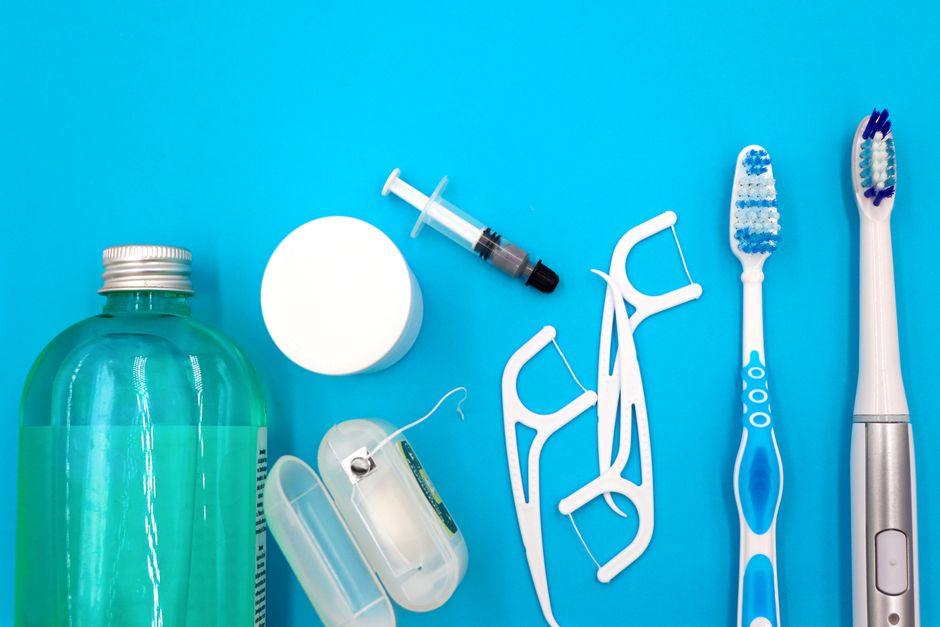
Plaque buildup on your teeth is a sticky film of bacteria that constantly forms. If it stays on your teeth, it hardens into tartar, which you cannot remove at home. The safe and effective way to remove existing plaque is daily brushing and flossing, but once plaque has hardened into tartar, only a dental professional can remove it. This guide explains what works, what does not, and how to protect your teeth between dental visits.
What Is Plaque and Why Does It Matter?
Plaque is a soft, colorless film of bacteria that forms on teeth after eating and drinking. The bacteria in plaque feed on sugars from food and produce acids. Those acids attack tooth enamel, which can lead to cavities. Plaque also irritates the gums, causing inflammation that can progress to gum disease.
When plaque sits on your teeth for more than 48 hours, it begins to harden into tartar, also called calculus. Tartar is rough and porous, which makes it easier for more plaque to accumulate on top of it. Once tartar forms, brushing cannot remove it. That is the key fact: you can remove plaque at home, but you cannot remove tartar at home.
Regular dental cleanings are the only way to remove tartar. The goal of home care is to disrupt plaque before it has a chance to harden.
How To Get Rid Of Plaque Buildup At Home Safely
The most reliable way to remove plaque at home is mechanical removal. That means physically scrubbing it off with a toothbrush and flossing it away between teeth. No mouthwash, toothpaste, or home remedy can replace the physical action of brushing and flossing.
Brush your teeth twice a day for two minutes each time. Use a soft-bristled toothbrush that fits your mouth comfortably. Hold the brush at a 45-degree angle toward the gumline and use short, gentle strokes. Pay attention to the back teeth, where plaque tends to accumulate most.
Floss once a day. Plaque builds up between teeth where a toothbrush cannot reach. Flossing removes plaque from these tight spaces. If traditional floss is difficult to use, interdental brushes or water flossers are acceptable alternatives. Some research suggests interdental brushes may be more effective than floss at removing plaque from between teeth, but the most important factor is that you clean between your teeth regularly.
Electric toothbrushes are generally more effective at removing plaque than manual toothbrushes. Studies have found that powered toothbrushes with oscillating-rotating heads reduce plaque and gingivitis more than manual brushing. If you prefer a manual brush, the technique matters more than the tool.
What Toothpaste and Mouthwash Actually Do
Toothpaste does more than just make brushing taste better. Most toothpastes contain fluoride, which strengthens enamel and helps prevent cavities. Fluoride does not remove plaque, but it protects the teeth from the acid that plaque produces.
Some toothpastes contain ingredients like stannous fluoride or zinc that have antibacterial properties. These can help reduce plaque buildup over time, but they are not a substitute for brushing. The physical brushing action is what removes the plaque.
Mouthwash can be a useful addition to your routine, but it is not a replacement for brushing or flossing. Therapeutic mouthwashes containing chlorhexidine, cetylpyridinium chloride, or essential oils can reduce bacteria in the mouth. Chlorhexidine mouthwash is available by prescription and is the most effective, but it is not meant for long-term daily use because it can stain teeth. Over-the-counter antiseptic mouthwashes provide a modest benefit when used alongside brushing and flossing.
No mouthwash can dissolve existing plaque. If a product claims to “dissolve” plaque, that claim is not supported by clinical evidence.




Home Remedies That Do Not Work
Social media is full of DIY plaque removal methods that are not safe or effective. Some of these can cause serious damage to your teeth and gums.
Baking soda is one of the most common home remedies. It is abrasive, and while it can help polish away surface stains, it does not remove plaque more effectively than regular toothpaste. Using baking soda too aggressively can wear away enamel, which does not grow back.
Hydrogen peroxide is sometimes suggested as a mouthwash. At low concentrations, it is found in some commercial mouthwashes. But swishing with full-strength hydrogen peroxide can irritate or burn your gums and soft tissues. There is no evidence that it removes established plaque.
Some people recommend scraping plaque off with metal tools, like dental picks bought online or improvised implements. This is dangerous. You can cut your gums, damage enamel, or push bacteria deeper into the gum tissue. Dental tools used by professionals require training and precision. Using them at home is not safe.
Oil pulling, the practice of swishing oil in the mouth for extended periods, has some evidence of reducing bacteria in the mouth. However, no clinical evidence shows that oil pulling removes existing plaque or prevents gum disease better than brushing and flossing. It should be considered an addition to, not a replacement for, standard oral hygiene.
When To See a Dentist
You should see a dentist for a professional cleaning at least once every six months. Some people need more frequent cleanings depending on their risk for gum disease. Your dentist can tell you the right interval for your situation.
If plaque has hardened into tartar, no home method will remove it. Tartar typically appears as a yellow or brown deposit along the gumline. Once tartar is present, you need a dental professional to scale it away. Leaving tartar in place increases your risk of gum disease, which can lead to tooth loss if untreated.
See a dentist sooner if you notice bleeding gums when you brush or floss, persistent bad breath, red or swollen gums, or teeth that feel loose. These can be signs of gum disease that requires professional treatment.
How To Prevent Plaque From Building Up
Prevention is more effective than removal. Plaque forms continuously, so the goal is to disrupt it before it hardens into tartar.
Brush twice a day and floss once a day. This is the foundation of plaque control. Skipping one session gives plaque more time to mature and harden.
Limit sugary and starchy foods. The bacteria in plaque feed on sugar and produce acid. Every time you eat sugar, your mouth stays acidic for about 20 to 30 minutes. Frequent snacking on sugary foods keeps your mouth in an acidic state, increasing the risk of cavities.
Drink water throughout the day. Water helps wash away food particles and keeps saliva flowing. Saliva is your body’s natural defense against plaque because it neutralizes acids and helps remineralize enamel.
Avoid tobacco products. Smoking and chewing tobacco increase plaque buildup and make gum disease worse. Tobacco use is one of the strongest risk factors for severe gum disease.
Frequently Asked Questions
Can baking soda remove plaque from teeth?
Baking soda is abrasive and can help remove surface stains, but it does not remove plaque more effectively than regular toothpaste. Overuse can wear away enamel, so it is not recommended as a daily plaque remover.
Is it safe to scrape plaque off your teeth at home?
No, scraping plaque off your teeth at home with metal tools is not safe. You can damage your gums, cut soft tissue, or wear away enamel, and it does not remove tartar below the gumline.
Does mouthwash get rid of plaque?
Mouthwash can reduce bacteria in the mouth, but it cannot remove plaque that is already attached to your teeth. Only the physical action of brushing and flossing removes plaque.
How often should you see a dentist to remove tartar?
Most people need a professional cleaning every six months to remove tartar that cannot be brushed away. Your dentist may recommend more frequent visits if you are prone to gum disease.
