
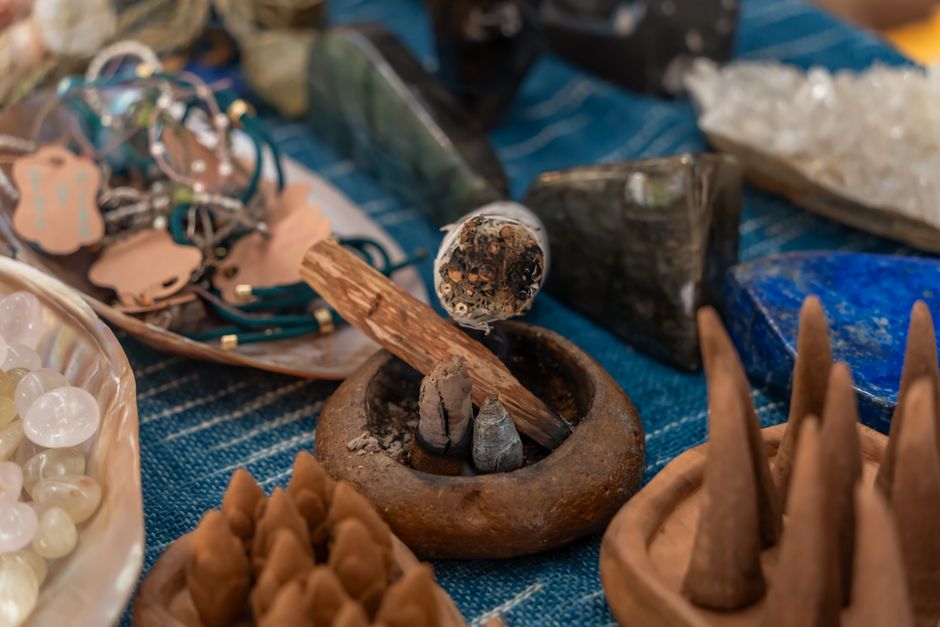
Burning incense is a daily ritual for millions of people, but knowing how to stop burning incense and put it out safely is just as important as lighting it. The safest method is to press the glowing ember into a small dish of sand or ash, which cuts off the oxygen and extinguishes it instantly. If you do not have sand, you can snuff the ember against a fireproof ceramic dish or use a dedicated incense snuffer, but you should never use water on a lit stick because it creates smoke and can crack the holder.
Why Can’t You Just Blow Out Incense Like a Candle?
Blowing out a candle works because the flame is the source of combustion. Incense works differently. The stick or cone burns without a flame, relying on a slow, smoldering ember at the tip. This ember glows red-hot and continues to burn as long as it has oxygen and fuel.
When you blow on a burning incense stick, you rarely extinguish the ember completely. Instead, you often blow off the built-up ash, exposing fresh, unburned material to oxygen. This can actually make the ember burn hotter and faster, producing more smoke. In some cases, blowing can scatter hot ash or glowing embers onto nearby surfaces, which is a fire hazard.
Blowing also creates a brief plume of thick smoke that can irritate your lungs if you inhale it directly. The mechanical action rarely removes enough heat to stop the chemical reaction. To stop burning incense, you must physically separate the ember from oxygen or remove the heat source.
What Is the Best Way to Extinguish Incense?
The most reliable method is to use a snuffer. A snuffer is a small, bell-shaped or cup-shaped tool designed to sit over the glowing tip of the incense. By placing the snuffer over the ember, you trap the oxygen inside the cup. Without oxygen, the ember dies out within a few seconds.
Many incense holders come with a built-in snuffer or a small hole in the base designed for this exact purpose. If you do not have a snuffer, you can use a small, fireproof dish filled with sand, salt, or baking soda. Simply press the glowing tip into the sand and hold it there for a few seconds. The sand smothers the ember and absorbs the heat.
Some people use a pair of metal tongs to pinch off the glowing tip and drop it into a bowl of water. This works, but it creates a mess. The glowing tip will continue to smolder briefly in the water before going out, and the wet ash can stain surfaces. The sand or snuffer method is cleaner and safer.
How To Stop Burning Incense And Put It Out Safely With Household Items
You do not need to buy specialized equipment to extinguish incense safely. Several common household items work well as long as they are fireproof.
- Sand or salt: Fill a small ceramic bowl or jar with sand, salt, or baking soda. Press the glowing tip into the material and hold for five seconds.
- A ceramic dish: Press the ember firmly against the unglazed bottom of a ceramic mug or bowl. The ceramic absorbs heat and blocks oxygen.
- Scissors or tongs: Use metal scissors or tongs to cut off the glowing tip. Drop the tip into a bowl of water immediately.
- A glass jar with a lid: Place the entire incense stick inside a glass jar and close the lid. The lack of oxygen will extinguish the ember within seconds.
Never use paper, plastic, or wood to snuff out incense. These materials can ignite. Even a wooden cutting board can scorch or catch fire if you press a hot ember against it. Always use a surface that cannot burn.
If you choose to use water, do so carefully. Water on a hot ember produces steam and a puff of smoke. It can also crack a ceramic or glass holder if the temperature difference is extreme. Water is effective, but it is not the cleanest or safest option for most situations.





Is It Safe to Let Incense Burn Out on Its Own?
Yes, letting incense burn out naturally is generally safe if you follow basic precautions. A standard incense stick burns for about 20 to 40 minutes. A cone burns for roughly 10 to 20 minutes. When the fuel is gone, the ember dies out on its own.
The risk is not the incense itself. The risk is where the incense is placed while it burns. If the holder is unstable, the stick can fall onto a flammable surface. If the holder is too small, the falling ash can land on carpet, fabric, or paper.
Always place incense on a stable, fireproof surface. Keep it away from curtains, bedding, books, and anything that can catch fire. Never leave burning incense unattended. If you leave the room, extinguish it first. This is especially important if you have pets or children who might knock the holder over.
Some people believe that allowing incense to burn completely releases the full fragrance. This is true, but the difference is subtle. If you need to leave the room or go to sleep, do not let it burn. Extinguish it and relight it later.
What About Incense Cones and Coils?
Cones and coils require slightly different handling than sticks. Cones are thicker and have a larger ember, which means they burn hotter and take longer to extinguish. Pressing a cone into sand is the best method. The larger surface area needs more contact time, so hold it in the sand for at least ten seconds.
Coils are long, spiral-shaped incense that hang from a holder. They are common in outdoor settings. To extinguish a coil, lift the burning end and press it into a dish of sand. Some coil holders come with a metal clip that you can use to pinch off the burning section.
For all types of incense, the underlying principle is the same: remove oxygen or heat. Sand, snuffers, and fireproof dishes all achieve this. The method you choose depends on what you have available.
Common Mistakes That Create Smoke and Fire Hazards
Several common practices create unnecessary smoke or increase fire risk. Knowing what to avoid is as important as knowing what to do.
Dipping the incense in water is a frequent mistake. The water cools the ember, but the wet stick becomes soggy and may not relight properly later. The water also creates a brief burst of steam and smoke that can be unpleasant.
Pressing the ember against a metal surface is another issue. Metal conducts heat well, which means the ember may not cool down quickly enough. The metal surface can become dangerously hot to the touch. Ceramic and glass are better because they absorb heat more slowly.
Some people try to crush the ember with their fingers. This is extremely dangerous. The ember is hot enough to cause a serious burn. Always use a tool, never your hands.
Leaving the incense in a drafty area while it burns is also problematic. A breeze can cause the ember to flare up briefly, producing more smoke. If you need to extinguish it in a drafty area, move it to a still location first.
How To Store Extinguished Incense for Later Use
If you extinguish a stick before it is fully burned, you can relight it later. The unburned portion remains usable. After extinguishing, let the tip cool completely. This takes about a minute.
Once cool, gently tap off the loose ash. Store the partially burned stick in a dry container. A sealed plastic bag or glass jar works well. Moisture is the enemy of incense. If the stick absorbs humidity, it may not light evenly or may produce excessive smoke.
Relighting a partially burned stick is simple. Hold a flame to the tip for a few seconds until it glows. The stick will continue burning from that point. The fragrance may be slightly less intense on the second burn, but this is a minor difference.
Frequently Asked Questions
Can I put out incense with water?
Yes, but it is not the best method. Water creates a puff of smoke and can crack a ceramic or glass holder if the temperature difference is extreme.
How long does it take for incense to go out in sand?
It takes about five to ten seconds. Press the glowing tip firmly into the sand and hold it there until the ember stops glowing.
Is it safe to leave incense burning overnight?
No. Never leave burning incense unattended, especially while you sleep. Extinguish it before leaving the room or going to bed.
Can I relight an incense stick after putting it out?
Yes. Let the tip cool completely, tap off the ash, and store it in a dry container. Relight it with a flame as you would a new stick.
