
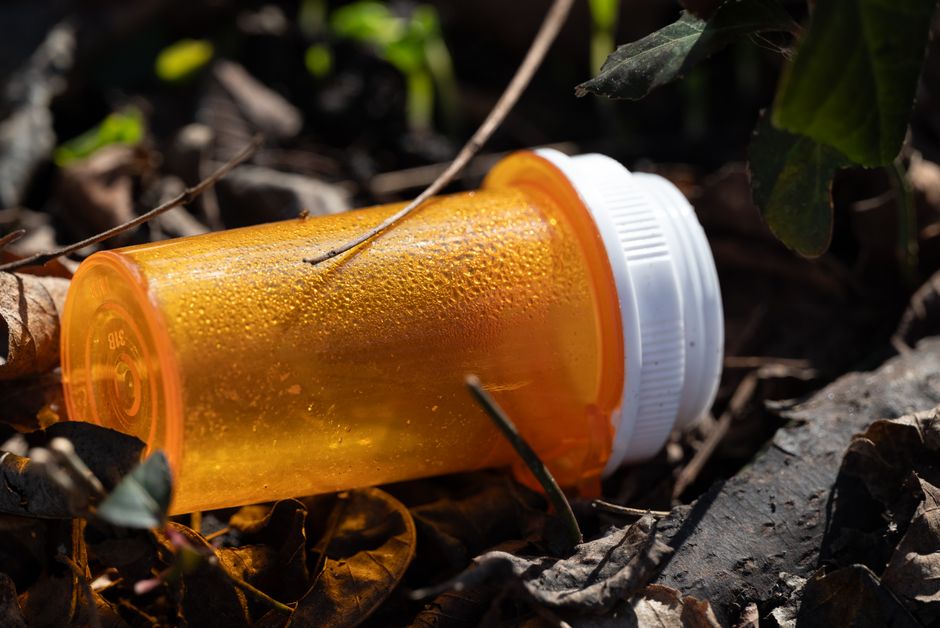
Millions of people manage medical waste at home every day. Insulin needles, lancets, expired medications, and used test strips all require specific handling. The safest method for most home sharps is a heavy-duty plastic container, like a laundry detergent bottle, sealed with a tight lid. For workplaces, the rules are stricter and usually governed by federal and state regulations. The core principle everywhere is the same: contain the item, prevent injury, and never place medical waste in regular recycling bins.
What Counts as Medical Waste at Home?
Medical waste from home health care is more common than most people realize. The most frequent items are sharps, which include needles, syringes, and lancets. These come from insulin injections, allergy shots, or blood sugar testing.
Other items include expired or unused medications, used test strips, and soiled bandages with blood on them. Not all of these require the same disposal method. Sharps need rigid containers. Medications often need to go to a drug take-back site. Bandages with minimal blood can usually go in the regular trash.
Knowing the difference matters. Treating every item the same way is either wasteful or unsafe. The key is to sort items first, then dispose of each category correctly.
How To Discard Medical Waste Safely At Home And Work: The Sharps Container Rule
The single most important rule for needles and lancets is to use an approved sharps container or a heavy-duty plastic container. A coffee can or milk jug is not sufficient. The container must be puncture-resistant, leak-proof, and have a tight-fitting lid.
A standard laundry detergent bottle works well for home use. The plastic is thick enough to resist punctures, and the lid seals securely. Label the container clearly with “Sharps” in permanent marker. Keep it out of reach of children and pets.
When the container is about three-quarters full, seal the lid firmly. Do not overfill it. Overfilled containers are the most common cause of needle-stick injuries during disposal. Once sealed, check your local regulations for where to drop it off. Many pharmacies and hospitals accept sealed sharps containers from the public.
Never flush needles down the toilet. Never place them loose in a trash bag. Both actions put sanitation workers and family members at risk of injury and infection.
Disposing of Medications: Never Flush Unless Listed
Expired or unused medications present a different challenge. The FDA maintains a short list of medications that are safe to flush. These are primarily powerful opioids and other drugs that pose a high risk of accidental ingestion. For everything else, flushing is harmful to the environment and not recommended.
The best option is a drug take-back program. Pharmacies, police stations, and community health centers often host collection events or have permanent drop boxes. These programs accept both prescription and over-the-counter medications.
If no take-back site is available, the FDA recommends mixing medications with an unpalatable substance like coffee grounds or cat litter. Place the mixture in a sealed bag and throw it in the household trash. Scratch out personal information on the prescription label before discarding the bottle.
Do not give leftover antibiotics or painkillers to family members or friends. Taking medication not prescribed for you is unsafe and contributes to antibiotic resistance.



Workplace Medical Waste: Following OSHA Standards
Workplace disposal is not a matter of personal choice. The Occupational Safety and Health Administration (OSHA) sets federal standards for medical waste in workplaces like clinics, dental offices, and laboratories. These standards are designed to protect employees from bloodborne pathogens.
OSHA requires that contaminated sharps be discarded immediately in containers that are closable, puncture-resistant, leak-proof, and labeled with the biohazard symbol. These containers must be easily accessible to workers and maintained upright throughout use. When full, they are sealed and removed by licensed medical waste haulers.
Other contaminated waste, such as gloves, gauze, or gowns with blood on them, goes into red biohazard bags. These bags are also collected by professional services and incinerated or treated according to state regulations.
Workplace rules differ from home rules because of volume and risk. A single insulin needle at home is managed differently than hundreds of needles generated daily in a clinic. The standards exist because the frequency of exposure is higher on the job.
State Regulations Vary: Know Your Local Rules
Federal rules cover workplaces, but home medical waste disposal is regulated at the state and local level. Some states have strict laws about how sharps must be packaged and where they can be taken. Others are more relaxed and allow sealed containers in the regular trash.
For example, California requires all home-generated sharps to be transported in approved containers to a collection site. Other states allow curbside pickup of sealed containers with regular trash. There is no single national rule for home sharps.
Contact your local health department or waste management authority to learn the specific rules for your area. Many counties have websites that list drop-off locations and accepted items. This is the most reliable way to stay compliant and safe.
When in doubt, use a commercial sharps mail-back program. These services provide a certified container, and you mail it to a treatment facility when full. The cost is modest, and it removes all guesswork.
Common Mistakes That Put People at Risk
Several disposal mistakes happen repeatedly in homes and workplaces. The most dangerous is recapping needles by hand. This action causes a significant number of needle-stick injuries. If you must recap a needle, use the one-handed scoop method or a mechanical recapping device.
Another mistake is using thin plastic containers like milk jugs or soda bottles for sharps. These materials puncture easily, creating a hazard for anyone who handles the trash. Always choose a container with thick walls designed to resist punctures.
Throwing medications in the trash without mixing them with something unpalatable is also a problem. Children or pets can find and ingest discarded pills. The mixing step is simple and worth doing every time.
Finally, do not assume that all medical waste is treated equally. A used lancet and a soiled bandage require different paths. Sorting items correctly is the foundation of safe disposal.
What Happens to Medical Waste After Collection?
Understanding the end process helps people follow the rules more carefully. Home sharps collected at drop-off sites are taken to treatment facilities. Most facilities use incineration or autoclaving, which is a steam-based sterilization process.
Incineration destroys the waste completely at high temperatures. Autoclaving uses pressurized steam to kill pathogens before the waste is shredded and sent to a landfill. Both methods are effective at eliminating infectious risk.
Pharmacies that accept sharps typically partner with medical waste companies that handle the final processing. The container you sealed at home becomes part of a regulated waste stream that is tracked from collection to destruction.
This system exists to protect sanitation workers, healthcare staff, and the public from exposure to bloodborne pathogens like hepatitis B, hepatitis C, and HIV. Following disposal rules is not just about tidiness. It is about preventing real disease transmission.
Frequently Asked Questions
Can I throw insulin needles in the regular trash?
Only if they are in a sealed, puncture-resistant container and your local regulations allow it. Many states require sharps to be taken to a designated collection site instead.
What is the best container for home sharps disposal?
A heavy-duty plastic bottle like a laundry detergent container with a tight lid is the best home option. Commercial sharps containers are also available and meet all safety standards.
Are prescription medications safe to flush down the toilet?
Only a small list of specific medications designated by the FDA are safe to flush. All other medications should go to a drug take-back site or be mixed with coffee grounds and placed in the trash.
Do I need a biohazard container for home lancets?
No, a rigid plastic container with a secure lid is sufficient for home use. Biohazard containers are required in workplaces that generate medical waste as part of their operations.
