
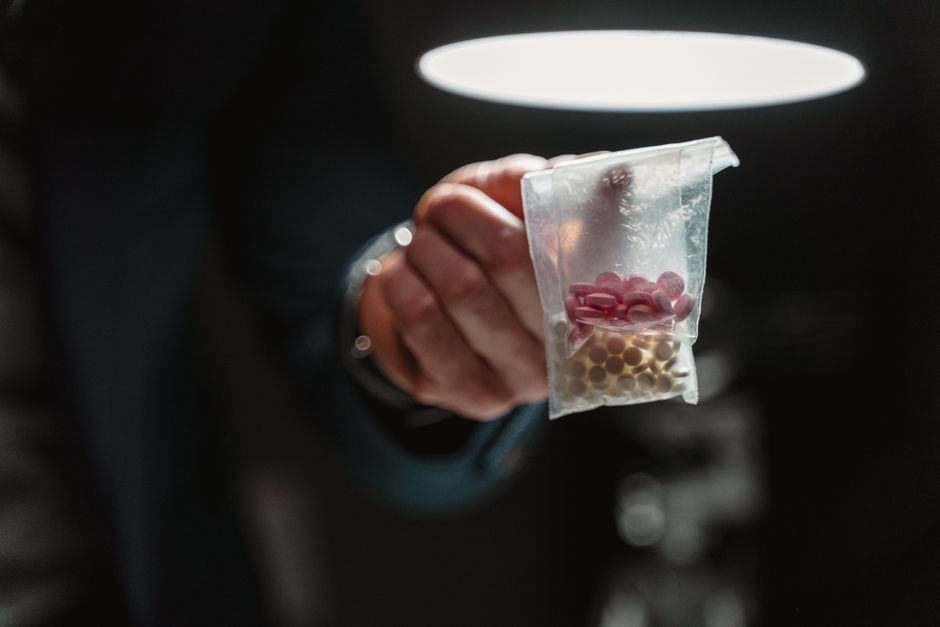
Disposing of controlled substances safely means preventing misuse, accidental exposure, and environmental harm. The safest method is to use a Drug Enforcement Administration (DEA) authorized collection site, which includes many local police stations and pharmacies. If no collection site is available, the FDA recommends mixing medications with an unappealing substance like coffee grounds or cat litter, sealing them in a bag, and throwing them in your household trash.
Why Can’t You Just Throw Medications in the Trash?
Throwing pills directly into the trash creates real risks. Children and pets can find them. Someone else can pull them out of the garbage and misuse them. This is a genuine concern with controlled substances like opioids, stimulants, and sedatives.
The trash is not a secure disposal method on its own. A pill bottle in a garbage bag is not hidden. It is visible and accessible. For controlled substances specifically, the risk of diversion is high. Diversion means the medication gets into the hands of someone it was not prescribed for.
Environmental contamination is another issue. Medications in landfills can leach into soil and groundwater over time. Flushing medications down the toilet was once a common recommendation, but that practice changed because of concerns about trace amounts of pharmaceuticals in water supplies.
What Is the Safest Way to Dispose of Controlled Substances?
The DEA runs a National Prescription Drug Take Back Day twice a year. During these events, you can drop off unused medications at designated locations. These events are free and anonymous. You do not need to answer questions about the medications.
Permanent collection sites exist year-round. Many local police departments and sheriff’s offices have drop boxes in their lobbies. Some pharmacies also maintain authorized collection kiosks. The DEA maintains a searchable database of authorized collectors on its website.
These collection sites accept controlled substances and most other prescription medications. They generally do not accept liquids, syringes, or inhalers. Check with the specific location before you go. The staff at these sites handle the medications according to federal law, and they destroy them properly.
How Do You Prepare Medications for Disposal?
Before you go to a collection site, remove personal information from the prescription label. The label contains your name, the drug name, and your doctor’s name. Scratch it out with a marker or peel it off if possible. This protects your privacy.
Keep the medication in its original container if you are taking it to a collection site. The staff needs to identify the medication. Do not mix different pills together in one bag. Keep each medication separate so the contents are clear.
If you are using the trash disposal method, preparation is different. Remove the medication from its original container. Mix it with something unappealing, such as used coffee grounds, dirt, or cat litter. This makes the medication less attractive to people and animals who might find it.
Place the mixture in a sealed plastic bag or a container with a tight lid. Then put that container inside another bag or container before throwing it in the trash. Double-bagging reduces the chance of leaks and makes the contents less visible.




Which Medications Can Be Flushed Down the Toilet?
There is a short list of medications that the FDA specifically recommends flushing. These are powerful opioids that pose a high risk of accidental overdose if someone finds them. The list includes drugs like fentanyl patches and certain forms of oxycodone.
The FDA maintains this list because the risk of harm from accidental exposure outweighs the environmental concern for these specific drugs. A single fentanyl patch can be deadly if a child or pet finds it. Flushing eliminates that immediate danger.
Do not flush other medications. Most drugs should not go down the drain. The FDA’s flush list is short and specific. If a medication is not on that list, use a collection site or the trash method instead.
What Should You Do With Liquid Controlled Substances?
Liquid medications require different handling. Many collection sites do not accept liquids. Check with your local site first. Some sites have special containers for liquids, but many do not.
For liquid controlled substances, the trash method still works. Mix the liquid with an absorbent material like cat litter, sawdust, or flour. This thickens the liquid and makes it less likely to spill. Then seal it in a bag and throw it away.
Never pour liquid medications down the sink or toilet unless they are on the FDA flush list. Liquid controlled substances are potent. A small spill can be dangerous. Handle the container carefully and keep it sealed until you are ready to dispose of it.
Can You Donate Unused Medications?
No. You cannot donate prescription medications in the United States. It is illegal for pharmacies to accept and redistribute returned medications. This includes controlled substances and most other prescription drugs.
Some states have programs that allow certain sealed medications to be donated, but these programs are rare and highly regulated. Controlled substances are never eligible for donation. The risk of tampering and diversion is too high.
If you have unopened, unused medications, disposal is still the only legal option. Do not give them to friends or family members. Sharing prescription medications is illegal and dangerous. A medication that works for you may be harmful to someone else.
How Should You Dispose of Syringes and Sharps?
Syringes and needles cannot go in regular trash or collection site drop boxes. They require special handling to prevent needle-stick injuries. Many pharmacies sell or provide sharps containers. Some communities have needle exchange programs or drop-off locations.
If you must dispose of sharps at home, use a heavy-duty plastic container with a tight lid. A laundry detergent bottle works well. Never use a glass container or a thin plastic bottle. Label the container clearly and seal it when it is three-quarters full.
Check with your local waste management authority for specific rules. Some areas allow sealed sharps containers in household trash. Others require you to bring them to a designated facility. The rules vary by state and even by county.
What Are the Legal Consequences of Improper Disposal?
Improper disposal of controlled substances can carry legal penalties. Giving your medication to another person is a federal crime. Selling or distributing controlled substances carries serious charges, including prison time.
Simply throwing pills in the trash is not typically a crime, but it can create liability. If someone finds your discarded medication and overdoses, you could face civil lawsuits. Some states have specific laws about medication disposal and environmental contamination.
The legal risk is not the main reason to dispose of medications properly. The real reason is safety. Unused controlled substances in your home are a danger to everyone around you. They are a common source of misuse among teenagers and young adults.
How Often Should You Clean Out Your Medicine Cabinet?
You should check your medicine cabinet every few months. Look for expired medications and any drugs you no longer need. This includes medications for a condition that has resolved and prescriptions you were told to stop taking.
Do not wait for a take-back event to dispose of medications. Check with your local police department or pharmacy about permanent drop boxes. Many communities have year-round options that are more convenient than waiting for a scheduled event.
Keeping unused controlled substances in your home is never a good idea. The longer they sit in your cabinet, the higher the risk that someone will find them. Make disposal part of your regular home safety routine.
Frequently Asked Questions
Can I flush my pain medication down the toilet?
Only if it is on the FDA flush list, which includes certain powerful opioids like fentanyl patches. Most medications should never be flushed due to environmental concerns.
Where can I find a drug take-back location near me?
The DEA website has a searchable database of authorized collection sites. Many local police stations and pharmacies also have permanent drop boxes.
What should I mix with pills before throwing them in the trash?
Mix the pills with coffee grounds, cat litter, dirt, or another unappealing substance. Seal the mixture in a bag before placing it in the trash.
Can I give my unused medications to a friend or family member?
No. Sharing prescription medications is illegal and dangerous. Dispose of unused medications through a collection site or the recommended trash method.
