
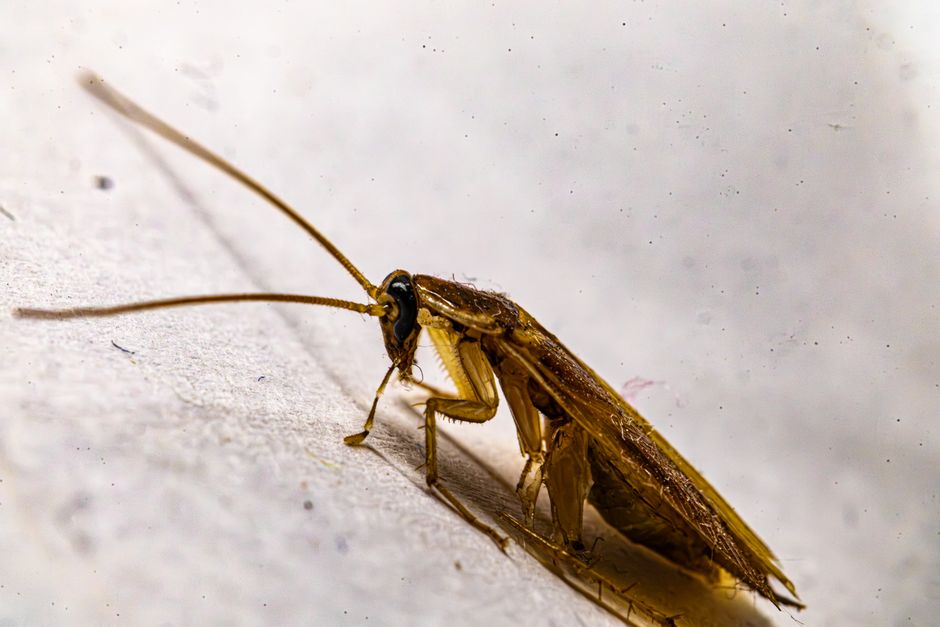
Boric powder is a proven, low-toxicity option for controlling cockroach infestations when used correctly. You apply a thin, barely visible layer in areas where roaches travel, and they carry the powder back to their nest, where it kills the colony. The key to safety is keeping the powder away from food, children, and pets while targeting the specific spots roaches use as highways.
What Is Boric Powder and How Does It Kill Cockroaches?
Boric powder comes from boron, a natural mineral element. It has been used as an insecticide for over a century. The form sold as roach killer is usually a fine white powder made of boric acid.
Boric powder works in two ways. When a cockroach walks through the powder, the fine particles stick to its legs and body. The roach grooms itself to clean off the powder, ingesting it in the process. Boric acid is toxic to the roach’s digestive system. It also damages the insect’s exoskeleton, causing dehydration. Death typically occurs within 72 hours of exposure.
This delayed effect is actually an advantage. The roach lives long enough to return to its harborage and contaminate other roaches with the powder before dying. This is why boric powder can eliminate an entire colony rather than just the individual roaches that walk through it.
Is Boric Powder Safe for Humans and Pets?
Boric acid has low toxicity for mammals. The EPA has classified boric acid as a low-risk pesticide. However, “low risk” does not mean “no risk.”
For adults, accidental ingestion of small amounts usually causes mild stomach upset. Larger amounts can cause nausea, vomiting, and diarrhea. The bigger concern is for young children. A child who eats a significant amount of boric powder could develop more serious symptoms, including seizures or kidney damage. This is why placement matters more than the product itself.
Pets are also at risk. Cats and dogs that groom themselves after walking through the powder can ingest it. Symptoms in pets include drooling, vomiting, and loss of appetite. The ASPCA Animal Poison Control lists boric acid as moderately toxic to pets when ingested in quantity.
The practical takeaway: boric powder is far safer than most chemical insecticides, but it is not harmless. Treat it like a cleaning product — store it out of reach, use it sparingly, and keep it away from surfaces where food is prepared.
How To Use Boric Powder For Cockroaches Safely
The single most important rule is that less is more. Cockroaches will not walk through a visible pile of powder. They avoid thick deposits because the powder feels like an obstacle. A thin, almost invisible dusting is what works.
Here is the safe application process:
- Wear gloves and a dust mask while applying. Boric powder is irritating to the lungs if inhaled in quantity.
- Use a duster or a clean, dry paintbrush to apply the powder. You can also use a squeeze bottle with a narrow tip for hard-to-reach areas.
- Apply only in cracks, crevices, behind appliances, under sinks, and along baseboards where you have seen roach activity.
- Keep the layer so thin you can barely see it. If you can see a white coating, you have applied too much.
- Do not place powder on open surfaces like countertops, tables, or shelves where food is stored or prepared.
- Do not apply near pet food bowls, water dishes, or pet bedding.
Reapply after cleaning or if the powder gets wet. Boric powder loses its effectiveness when damp. Check your application points every two weeks and refresh as needed.





Where Should You Place Boric Powder in Your Home?
Cockroaches travel along specific routes. They prefer dark, warm, humid areas close to food and water. Focus your application on these zones:
- Under the refrigerator and behind it, especially near the compressor where it is warm.
- Under the stove and along the gap between the stove and the counter.
- Inside kitchen cabinets, along the hinges and in the corners. Keep powder away from dishes and food packaging.
- Behind the dishwasher and washing machine.
- Along baseboards in the kitchen and bathroom.
- Around pipe openings under sinks.
- Inside the back of drawers, particularly in kitchens.
- In the bathroom, behind the toilet and under the vanity.
Do not spread powder across open floor areas. Roaches will avoid large open spaces. They stick to edges and tight spaces. Applying powder only in these travel corridors is both more effective and safer for everyone in the home.
How Long Does Boric Powder Take To Work?
Do not expect immediate results. Boric powder is a slow-acting poison, which is by design. A roach that dies instantly cannot carry the poison back to the nest.
You will typically see a reduction in roach activity within one to two weeks. Full colony elimination can take three to four weeks. This timeline depends on the size of the infestation and whether you have removed the roaches’ access to food and water.
Boric powder works best when combined with good sanitation. Cockroaches need food and moisture to survive. If you remove their food sources by storing food in sealed containers, wiping down counters, and fixing leaky pipes, the boric powder works faster. A roach that is already stressed by lack of food and water is more likely to ingest the powder and die quickly.
What Are the Risks and Mistakes To Avoid?
The most common mistake is applying too much powder. A thick layer repels roaches instead of killing them. You end up with visible white powder along your baseboards and a cockroach problem that has not improved.
Another mistake is placing powder where it can contaminate food. Boric acid is not safe to consume in meaningful amounts. If powder drifts onto a countertop where you prepare food, you risk accidental ingestion. Always apply powder in cracks and crevices, not on open surfaces.
Mixing boric powder with sugar is a common home remedy. The sugar attracts roaches, but it also attracts children and pets. If you choose to use a bait mixture, place it only in enclosed containers or areas completely inaccessible to kids and animals. Many pest control professionals advise against homemade baits because the concentration of boric acid is difficult to control. Too much boric acid can repel roaches, and too little is ineffective.
Do not use boric powder as a fogger or spray. The powder form is meant to be a residual dust. Inhaling large amounts of boric powder can irritate your lungs and throat. If you are applying powder in a confined space like a cabinet, wear a mask and open a window.
When Should You Call a Professional Instead?
Boric powder is effective for small to moderate infestations. If you are seeing roaches during the day, that is a sign of a heavy infestation. Roaches are nocturnal and avoid light. Daytime sightings mean the population has outgrown its hiding places.
Large infestations require a more comprehensive approach. A licensed pest control professional can identify the species, locate the nesting sites, and apply a combination of treatments that work faster than boric powder alone. Some roach species, particularly German cockroaches, reproduce quickly and may require gel baits and insect growth regulators in addition to dust treatments.
If you have tried boric powder for three weeks without noticeable improvement, the infestation may be too large for DIY treatment. Professional intervention is warranted at that point.
Can You Use Boric Powder for Prevention?
Yes, but with the same safety precautions. A thin layer of boric powder in cracks and crevices can prevent roaches from establishing a foothold in your home. This is most useful in apartments or attached homes where roaches can migrate from neighboring units.
For prevention, apply the powder in the same locations you would for an active infestation, but focus on entry points. These include gaps under doors, cracks in walls, and spaces around plumbing pipes. Reapply every few months or after any cleaning that removes the powder.
Boric powder is not a one-time solution. It degrades over time and loses effectiveness when exposed to moisture. Regular inspection and reapplication are necessary for ongoing control.
Frequently Asked Questions
Is boric powder safe to use around food?
No, boric powder should never be applied to surfaces where food is prepared or stored. Apply it only in cracks, crevices, and areas that are inaccessible to food contact.
How much boric powder should I use for cockroaches?
Use the smallest amount you can see — a thin, barely visible dusting. Thick piles repel roaches and increase the risk of accidental exposure for children and pets.
Will boric powder hurt my cat or dog?
Pets that ingest a significant amount of boric powder can experience vomiting, drooling, and stomach upset. Keep powder out of areas where pets walk, groom, or eat.
How long does boric powder stay effective?
Boric powder remains effective as long as it stays dry and undisturbed, typically several weeks to months. Moisture destroys its effectiveness, so reapply after spills, cleaning, or humid conditions.
