
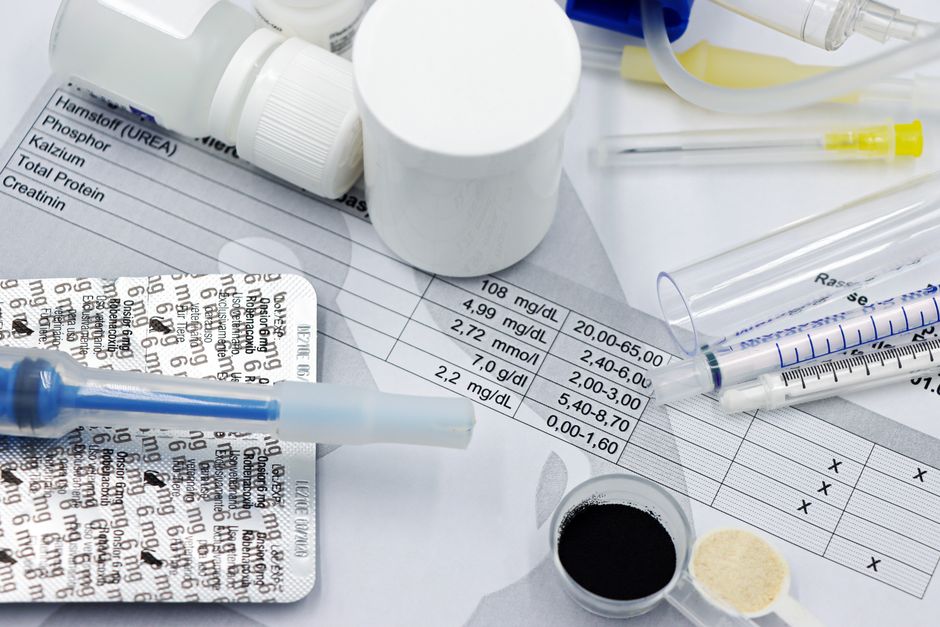
Kidney stones are diagnosed through a combination of your symptoms, a physical exam, and specific tests like imaging scans and urine analysis. The most reliable way to confirm a kidney stone is with a non-contrast CT scan, which can detect stones of almost any size and composition. Your doctor will also order urine and blood tests to check for infection and measure waste products that form stones. If you pass a stone, saving it for analysis helps your doctor understand what type it is and how to prevent future ones.
What Are the First Signs That You Might Have a Kidney Stone?
The first sign is often sudden, severe pain. It usually hits in your side or lower back, just below your ribs. The pain can travel to your lower belly and groin as the stone moves. Many people describe this pain as the worst they have ever felt.
Other early signs include blood in your urine, which can look pink, red, or brown. You might feel a constant need to urinate or have pain when you do. Nausea and vomiting are also common during a stone attack because the pain triggers your nervous system.
Not everyone gets the classic pain. Some people only notice blood in their urine during a routine checkup. Others feel a dull ache that comes and goes. If you have any of these signs, especially with fever or chills, see a doctor right away. Fever means there could be an infection behind the stone, which is a medical emergency.
How Does a Doctor Confirm You Have a Kidney Stone?
Your doctor will start with your history and a physical exam. They will ask about your pain pattern, any past stones, and your family history. They will press on your belly and tap your lower back to check for tenderness.
The gold standard for diagnosis is imaging. A CT scan without contrast dye gives the clearest picture. Research shows it can detect stones smaller than a millimeter. It also shows where the stone is and if it is blocking urine flow. The downside is radiation exposure, but modern low-dose CT scans reduce that risk significantly.
An ultrasound is another option. It uses sound waves to find stones. It is safer because there is no radiation, but it is less accurate for small stones or stones in the ureter. Some studies suggest ultrasound misses about 30 to 40 percent of small stones. Doctors often use ultrasound first for pregnant women and children.
X-rays can find some stones, but not all. Stones made of calcium show up well. Uric acid stones and some other types do not show up at all. X-rays are rarely used alone anymore.
What Do the Urine and Blood Tests Tell Your Doctor?
Urine tests are essential. A simple dipstick test can detect blood and signs of infection. A more complete urinalysis looks for crystals that suggest a stone is forming. It also checks for bacteria.
A 24-hour urine collection is a deeper test. You collect all your urine for a full day. The lab measures levels of calcium, oxalate, uric acid, and citrate. Abnormal levels point to why stones are forming. This test is especially useful if you have had more than one stone.
Blood tests check kidney function. They measure creatinine and blood urea nitrogen to see if your kidneys are working well. High levels suggest a blockage or damage. Blood tests also measure calcium and uric acid, which can indicate the type of stone you might form.
A complete blood count looks for signs of infection. If your white blood cell count is high, infection is likely. Infection with a stone requires immediate treatment.




How To Diagnose Kidney Stones at Home and When to Avoid It
You cannot diagnose a kidney stone at home with certainty. The symptoms can mimic other conditions like appendicitis, a urinary tract infection, or back muscle strain. Trying to self-diagnose is risky.
What you can do at home is watch for signs. If you have sudden severe pain that comes in waves, it is likely a stone. Straining your urine through a fine mesh or coffee filter can help you catch the stone if you pass it. Catching it is useful because your doctor can analyze it.
Do not try to treat a suspected stone yourself with over-the-counter pain relievers alone. Some painkillers can hide the severity of your symptoms. If you have a fever, chills, or cannot keep fluids down, you need medical care immediately.
The safest home step is to drink plenty of water if you can. Staying hydrated helps move small stones along. But if the pain is severe or you cannot urinate, go to the emergency room.
What Happens After a Kidney Stone Diagnosis?
Once the diagnosis is confirmed, the next step depends on the stone size and location. Small stones, under 5 millimeters, often pass on their own. Your doctor will tell you to drink water and take pain relievers as needed. They may prescribe a medication called tamsulosin to relax the ureter and help the stone pass.
Stones between 5 and 10 millimeters may pass on their own but take longer. About half of these stones pass without intervention. Larger stones, over 10 millimeters, usually need treatment. They rarely pass without help.
Treatment options include shock wave lithotripsy, which breaks stones into smaller pieces using sound waves. Ureteroscopy uses a thin scope to remove the stone directly. For very large stones, a procedure called percutaneous nephrolithotomy removes them through a small incision in your back.
Your doctor will also discuss prevention. Based on what the stone is made of, you may need to change your diet or take medication. Calcium stones are the most common. Reducing sodium and animal protein helps. Uric acid stones often respond to a lower purine diet and medication to lower uric acid.
Common Misconceptions About Kidney Stone Diagnosis
One widespread myth is that kidney stones always cause severe pain. Many small stones pass without any symptoms. You might only find out you had one when you see it in the toilet or when a scan done for another reason shows it.
Another myth is that drinking cranberry juice prevents or treats stones. Current research suggests cranberry juice may actually increase the risk of calcium oxalate stones, the most common type. It is high in oxalate, which can bind with calcium and form stones. Water is the only proven drink for prevention.
Some people believe that if you have had one stone, you will always have more. While the recurrence rate is high, about 50 percent within five to ten years, it is not inevitable. Proper diagnosis of the stone type and targeted prevention can lower your risk significantly.
There is also a belief that all stones show up on X-rays. As of 2026, we know that about 20 percent of stones, mainly uric acid stones, are radiolucent, meaning they are invisible on standard X-rays. This is why CT scans are preferred for a complete diagnosis.
Frequently Asked Questions
Can a kidney stone be mistaken for something else?
Yes. The pain of a kidney stone can feel identical to appendicitis, a urinary tract infection, or a pulled back muscle. Imaging is needed to tell the difference.
How long does it take to diagnose a kidney stone?
In an emergency room, a CT scan can confirm a stone in about 15 minutes. Full diagnosis including lab work usually takes a few hours.
Do I need to save the stone for diagnosis?
Yes, if you can catch it. Analysis of the stone tells your doctor exactly what it is made of, which guides prevention and treatment.
Is there a home test kit for kidney stones?
No reliable home test exists. At-home urine test strips cannot confirm a stone. Only medical imaging and lab analysis provide a certain diagnosis.
