
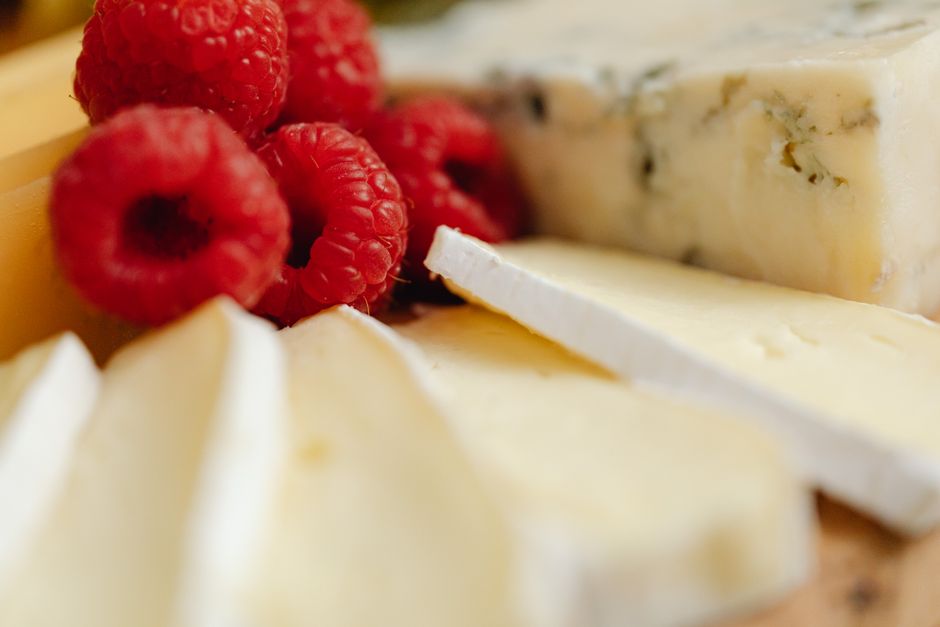
Yes, you can freeze cheddar cheese. It will keep for up to six months in the freezer. The texture will change — it becomes crumbly and less creamy after thawing. This makes frozen cheddar best for cooking and melting, not for eating raw on a cracker. Knowing how to freeze it the right way makes all the difference.
What Happens to Cheddar Cheese When You Freeze It?
Freezing cheddar cheese changes its structure. Cheese contains water, fat, and protein held together in a network. When water freezes, it forms ice crystals. These crystals push the protein and fat apart. Once thawed, the water drains out and the cheese feels crumbly or mealy.
This is not a defect. It is a physical change. The flavor stays mostly the same. The salt and aging compounds do not break down in the freezer. What you lose is the smooth, sliceable texture that fresh cheddar has.
Hard cheeses like cheddar handle freezing better than soft cheeses. A block of aged cheddar will freeze more successfully than a wedge of brie. The lower moisture content in aged cheddar means fewer ice crystals form. Current research suggests that moisture content is the single biggest factor in freeze quality for cheese.
Can You Freeze Cheddar Cheese Without Ruining the Texture?
You cannot freeze cheddar and keep it exactly the same. Anyone who promises that is not being honest. But you can minimize the damage with the right method.
The key is preventing moisture loss and ice crystal growth. Air is the enemy. Wrap the cheese tightly in plastic wrap first. Then wrap it again in aluminum foil or place it in a freezer bag. Squeeze out as much air as possible before sealing.
Some people report success with vacuum sealing. Vacuum sealers remove almost all air, which reduces freezer burn significantly. If you freeze cheddar often, a vacuum sealer is worth considering. Without one, double wrapping and pressing out air works well enough.
| Storage Method | Texture After Thawing | Best Use |
|---|---|---|
| Plastic wrap + foil | Crumbly, slightly dry | Shredded for cooking |
| Vacuum sealed | Less crumbly, firmer | Sliced for sandwiches |
| Pre-shredded in bag | Clumpy, icy | Melted in casseroles |
| Wax paper only | Freezer burned, dry | Not recommended |
How Should You Thaw Frozen Cheddar Cheese?
Thaw cheddar cheese slowly in the refrigerator. Remove it from the freezer and place it in the fridge for 12 to 24 hours. Quick thawing at room temperature causes condensation. That extra moisture makes the cheese soggy and speeds up mold growth.
Keep the cheese wrapped while it thaws. Unwrapping it exposes the surface to air, which dries it out further. Once thawed, use it within three to five days. Do not refreeze cheddar that has already been thawed. The second freeze damages the texture even more and increases food safety risk.
If you plan to cook with it, you can use frozen cheddar directly. Grate it while still frozen using a box grater. Frozen cheese grates more easily than soft cheese and does not stick to the grater. This is a practical trick that many home cooks miss.




Does Freezing Affect the Taste of Cheddar Cheese?
Research shows that freezing does not significantly change the flavor of cheddar cheese. A study on the effects of freezing on hard cheeses found that volatile flavor compounds remained stable during frozen storage. The salt content and acidity also stayed consistent.
What changes is how the cheese feels in your mouth. The crumbly texture can make the cheese seem drier or sharper than it actually is. Some people interpret that as a flavor change, but it is a texture perception. If you melt the cheese, you will not notice any difference in taste.
Aged cheddars with crystals — those crunchy bits in extra sharp cheddar — survive freezing well. The calcium lactate crystals do not dissolve or disappear. They remain intact and provide the same crunch after thawing.
What Is the Best Way to Use Frozen Cheddar Cheese?
Frozen cheddar cheese excels in cooked dishes. Use it for macaroni and cheese, casseroles, soups, and sauces. The crumbly texture blends into hot food without issue. Melting hides the textural change completely.
Shredded frozen cheddar works perfectly on pizzas and baked potatoes. Sprinkle it directly onto the hot food without thawing first. The heat melts it evenly. Pre-shredded frozen cheese from the store often contains anti-caking agents, so shredding your own frozen block gives better melting results.
Do not use frozen cheddar for cheese boards, salads, or cold sandwiches. The crumbly texture does not slice neatly. It falls apart and looks unappealing. Save your best fresh cheddar for those uses and reserve frozen cheddar for cooking.
- Best uses: mac and cheese, casseroles, soups, sauces, pizza, grilled cheese
- Worst uses: cheese boards, cold sandwiches, salads, snacking
- Good compromise: shred frozen cheese for tacos or baked potatoes
How Long Can You Keep Cheddar Cheese in the Freezer?
Cheddar cheese stays safe to eat indefinitely in the freezer. The freezer stops bacterial growth completely. But quality declines over time. For the best texture and flavor, use frozen cheddar within six months.
After six months, freezer burn becomes more likely. Freezer burn happens when air reaches the cheese surface. It causes dry, discolored spots that taste bland or slightly off. You can cut those spots off and use the rest, but the texture of the whole block suffers.
Label your cheese with the date before freezing. Write the type of cheddar and the date on the bag or foil. This small step prevents guessing later. As of 2026, food safety guidelines still recommend using frozen cheese within six months for best quality.
Common Misconceptions About Freezing Cheddar Cheese
Some people believe freezing kills the beneficial bacteria in aged cheese. This is true but mostly irrelevant. The bacteria that aged the cheese have already done their work. They produced the flavor compounds before freezing. Freezing stops them from continuing, but the flavor is already locked in.
Another myth is that you cannot freeze shredded cheese. You can. Pre-shredded cheese freezes fine, though it may clump together. Break the clumps apart while still frozen. The anti-caking powders in store-bought shredded cheese actually help prevent ice crystal formation.
Some claim that freezing cheddar ruins it for grilled cheese sandwiches. This is not accurate. Frozen cheddar melts beautifully in a grilled cheese. The crumbly texture disappears once the cheese liquefies. Use medium heat to give the bread time to toast without burning before the cheese fully melts.
Frequently Asked Questions
Can you freeze cheddar cheese in its original packaging?
You can, but the original packaging is not airtight enough to prevent freezer burn. Wrap it again in plastic wrap or foil for better protection.
Does freezing cheddar cheese change its melting properties?
No. Frozen cheddar melts the same as fresh cheddar. The fat and protein still separate when heated, giving the same creamy melt.
Can you freeze cheddar cheese slices?
Yes. Place parchment paper between each slice to prevent them from sticking together. Store in a freezer bag with air removed.
How do you know if frozen cheddar cheese has gone bad?
Look for ice crystals, dry spots, or off smells. If the cheese smells sour or like ammonia, discard it. Freezer burn is safe but affects taste.
