
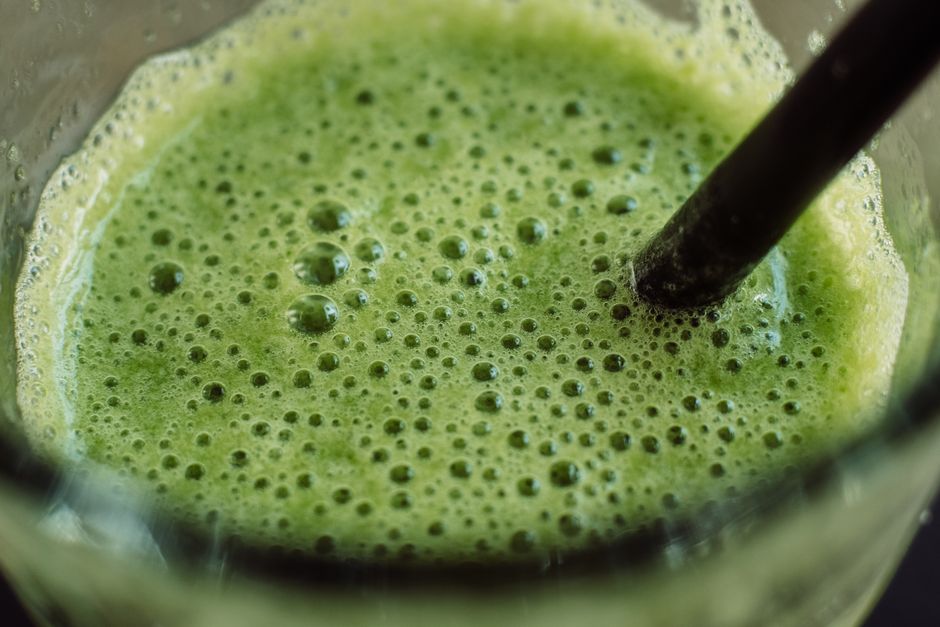
If you have been told you have a fatty liver, you have probably searched for a way to “detox” it. The honest answer is that no juice cleanse, tea, or supplement can detoxify your liver. The only proven approach is to change the metabolic conditions that caused the fat to build up in the first place. Weight loss, reduced alcohol intake, and better blood sugar control are the only strategies that have been shown to actually reduce liver fat.
What Does “Detox” Actually Mean for a Fatty Liver?
The liver is your body’s main filtering organ. It processes toxins, medications, and waste products every day. It does this on its own without needing help from special diets or products.
Fatty liver disease is different. It means fat has built up inside liver cells. This is not a toxin problem. It is a metabolic problem. When more fat enters the liver than the liver can process and export, fat accumulates. Over time, this fat can cause inflammation and liver damage.
So a “detox” for fatty liver is really about reducing the fat inside the liver cells. The liver does not need to be cleansed. It needs to be given a chance to process and export the fat it is holding onto.
How To Detox A Fatty Liver What Actually Works?
The most effective way to reduce liver fat is weight loss. Research consistently shows that losing about 5 to 10 percent of your body weight can significantly reduce fat in the liver. Losing 10 percent or more can also reduce inflammation and scarring in some people.
This does not mean crash dieting. Rapid weight loss can actually worsen liver disease temporarily. The goal is steady, sustainable weight loss of about one to two pounds per week.
Dietary changes matter more than exercise for liver fat reduction, but both help. Reducing refined carbohydrates and added sugars is especially important. The liver converts excess sugar, particularly fructose, into fat. Cutting sugary drinks alone can make a measurable difference.
Alcohol is another major factor. If you have fatty liver, reducing or eliminating alcohol is essential. Even moderate drinking can add to the fat burden on your liver.
Which Diet Pattern Is Best for Reducing Liver Fat?
No single diet is officially prescribed for fatty liver. However, the evidence points to a few reliable patterns.
A Mediterranean-style diet has the strongest support. This pattern emphasizes vegetables, fruits, whole grains, legumes, nuts, olive oil, and fish. It is naturally low in refined sugar and red meat. Studies have shown this pattern reduces liver fat even without significant weight loss.
Reducing carbohydrates overall also helps. When you eat fewer carbohydrates, your body uses stored fat for energy instead of storing more. Low-carb diets have been shown to reduce liver fat quickly, though the long-term evidence is less clear than for Mediterranean eating.
Avoid processed foods and sugary beverages. These are the most direct dietary contributors to liver fat. Replace them with whole foods whenever possible.



Does Coffee Count as a Liver Detox?
Coffee is the one beverage that consistently shows benefit for liver health. Multiple large studies have found that regular coffee drinkers have lower rates of liver disease progression and liver cancer.
The protective effect appears to come from coffee’s polyphenols and other compounds, not caffeine alone. Both regular and decaf coffee show benefits in the research.
Coffee will not reverse fatty liver on its own. But drinking two to three cups daily is a reasonable habit that may support liver health. Just avoid adding heavy cream and sugar, which work against your goals.
What About Supplements for Fatty Liver?
Many supplements are marketed for liver detox and fatty liver. The evidence for most of them is weak.
Vitamin E is the most studied supplement for fatty liver. Some research shows it reduces liver inflammation in people with non-alcoholic steatohepatitis, the inflammatory form of fatty liver. However, long-term high-dose vitamin E has been associated with health risks, including prostate cancer in men. It should only be used under medical supervision.
Omega-3 fatty acids from fish oil show modest benefit in some studies. They may reduce liver fat and improve triglyceride levels. The effect is small and not consistent across all research.
Milk thistle and its active compound silymarin are commonly sold for liver health. Some small studies suggest benefit, but larger, well-designed trials have not confirmed this. The evidence is currently insufficient to recommend it.
No supplement has been proven to reverse fatty liver disease. If you are considering a supplement, discuss it with your doctor first. Some supplements can actually harm the liver, especially at high doses.
How Quickly Can Liver Fat Improve?
Liver fat can begin to decrease within weeks of meaningful dietary change and weight loss. Studies using MRI to measure liver fat have shown significant reductions after eight to twelve weeks of a reduced-calorie diet.
Full resolution of fatty liver typically takes several months to a year. This depends on how much weight you lose and how consistently you maintain the changes.
Even if you cannot reach an ideal body weight, any reduction helps. Losing just 3 to 5 percent of your body weight can lower liver fat. Losing more provides greater benefit.
Your doctor can track your progress with blood tests and, if needed, imaging studies. Liver enzymes in the blood often improve within a few months of weight loss, though normal enzyme levels do not guarantee a healthy liver.
When Should You See a Doctor About Fatty Liver?
Fatty liver often has no symptoms. Many people discover it during routine blood work or imaging for another reason.
See a doctor if you experience unexplained fatigue, pain in the upper right side of your abdomen, or unexpected weight loss. These can be signs of more advanced liver disease.
Your doctor can assess your liver health with blood tests and may recommend imaging such as ultrasound or elastography. These tests measure liver fat and stiffness, which indicates scarring.
If you have diabetes, high blood pressure, or high cholesterol, managing those conditions is also part of fatty liver treatment. These conditions often coexist with fatty liver because they share the same underlying metabolic causes.
Some people with fatty liver develop non-alcoholic steatohepatitis, which involves liver inflammation. This condition can progress to cirrhosis over many years. Not everyone with fatty liver develops this more serious form, and weight loss can prevent progression.
Frequently Asked Questions
Can a juice cleanse detox my fatty liver?
No. Juice cleanses have not been shown to reduce liver fat and can actually worsen it due to high sugar content. The liver does not need cleansing; it needs reduced metabolic stress.
How much weight do I need to lose to improve fatty liver?
Losing about 5 to 10 percent of your body weight is the target shown to reduce liver fat in clinical studies. Losing more weight provides additional benefit for inflammation and scarring.
Is fatty liver reversible?
Yes, in most cases. Fatty liver without significant scarring can be reversed with sustained weight loss and dietary changes. Once cirrhosis develops, the damage is not reversible, but progression can be slowed.
Does drinking more water help flush out liver fat?
No. Water does not remove fat from the liver. Staying hydrated supports overall health, but only calorie reduction and metabolic changes reduce liver fat.
