
Weeping eczema means the skin has broken open and is leaking clear or yellowish fluid. That fluid is serum — the liquid part of blood — escaping through damaged skin. The single most important step is to stop the scratching and irritation cycle, then protect the broken skin while it heals. A gentle wash, a bland moisturizer, and a barrier to prevent infection do most of the work. Weeping that smells bad, turns honey-colored, or spreads needs a doctor’s attention because it usually signals infection, not just dryness.
Most weeping eczema is not a separate disease. It is atopic dermatitis or contact dermatitis at a stage where the skin barrier has failed badly enough that fluid leaks through. The approach below explains what is happening, what helps, and what to avoid.
Why Does Eczema Weep in the First Place?
Weeping happens when the top layer of skin — the stratum corneum — is damaged enough that fluid from deeper layers leaks out. In healthy skin this layer acts as a brick wall. In eczema, the “mortar” between cells is weak, often because of a shortage of proteins like filaggrin that hold the barrier together. Water escapes, irritants get in, and the skin reacts.
Scratching makes it worse. It tears the already fragile surface and triggers more inflammation, which brings more fluid to the area. That is why weeping and scratching tend to feed each other in a loop.
Weeping is also a sign that the skin is inflamed right now, not just dry. Dry eczema flakes and cracks. Weeping eczema is actively oozing. The distinction matters because the two need slightly different handling.
How To Dry Up Weeping Eczema What Actually Works
The goal is not to “dry out” the skin in the sense of making it less moist. The goal is to calm the inflammation and seal the barrier so fluid stops leaking. Aggressive drying — alcohol, harsh soaps, heat — tends to damage the barrier further and can make weeping worse.
What actually helps, in order:
- Stop the scratch. Keep nails short. Use cool compresses for a few minutes at a time when itching is intense. Cool reduces the itch signal and calms inflammation temporarily.
- Wash gently. Use lukewarm water and a fragrance-free, non-soap cleanser. Hot water and harsh soap strip the barrier and increase irritation.
- Pat dry, do not rub. Rubbing a weeping area can reopen it.
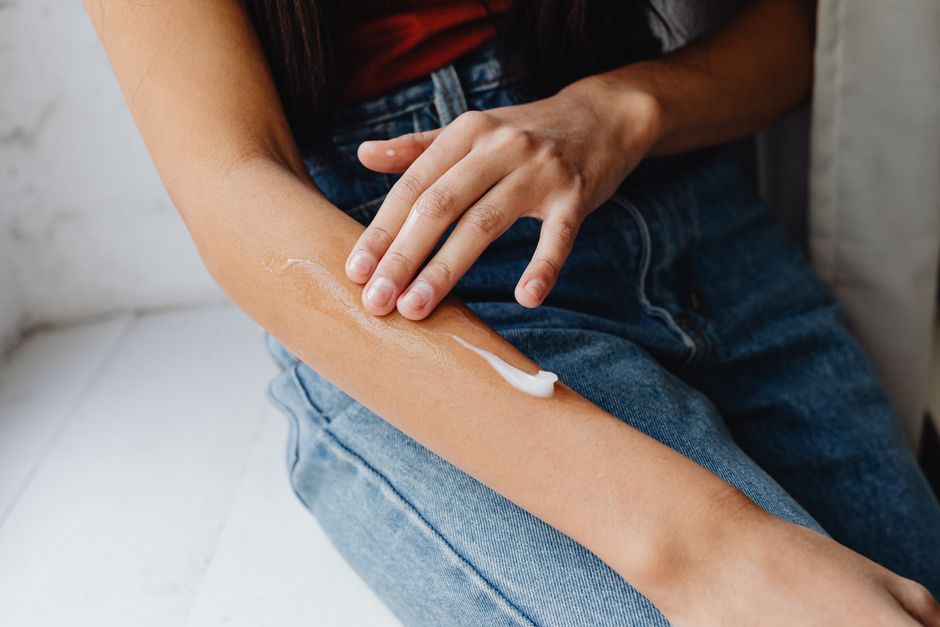
- Apply moisturizer within minutes of washing. While skin is still slightly damp, a thick ointment or cream helps trap water and support the barrier. Ointments generally contain fewer ingredients that sting broken skin than lotions do.
- Cover the area. A clean, loose dressing protects weeping skin from scratching and from outside bacteria. Wet-wrap techniques — damp layer under a dry layer — are used in clinical settings for severe eczema and can help, but they are best done with guidance from a clinician, especially on broken skin.
Prescription treatment is often part of the answer. Topical corticosteroids reduce the inflammation driving the weeping. They are the standard first-line treatment for eczema flares and are well established. Used correctly on the right areas for the right duration, they are effective and safe. Fear of steroids leads many people to under-treat, which prolongs the flare. A clinician can advise on strength and duration for the specific area.
If the skin is clearly infected — spreading redness, warmth, pus, or a honey-colored crust — antibiotics may be needed. That decision belongs to a doctor, not a moisturizer.
What Makes Weeping Eczema Worse?
Several common habits slow healing or trigger new flares.
- Scratching and rubbing. The most direct cause of ongoing damage.
- Hot showers and baths. Heat increases blood flow and itch.
- Fragranced products. Perfumes, dyes, and some essential oils are common irritants and allergens.
- Harsh soaps and antiseptics. Repeated use can damage the barrier further.
- Wool and rough fabrics. Friction irritates sensitive skin. Soft cotton is usually gentler.
- Dry indoor air. Low humidity pulls moisture from skin. A humidifier can help in dry climates or winter.
- Stress and poor sleep. Both are linked to worse eczema, though the relationship is complex and not fully understood.
One point worth clarifying: eczema is not caused by poor hygiene, and it is not contagious. Weeping fluid does not spread eczema to other people. It can, however, contain bacteria, so keeping the area clean and covered protects both the skin and others.




How Do You Know If Weeping Eczema Is Infected?
Infection is the main complication to watch for. The most common culprit is Staphylococcus aureus, a bacterium that lives on skin and can invade broken areas.
Signs that suggest infection rather than plain eczema:
- Fluid that is yellow, green, or cloudy, or that smells bad
- Honey-colored crusting
- Spreading redness, warmth, or swelling
- Increasing pain
- Fever or feeling unwell
- Pus-filled bumps or blisters
These signs warrant prompt medical attention. Some skin infections can progress quickly, and a doctor can decide whether antibiotics or other treatment are needed. Do not try to manage suspected infection with moisturizer alone.
A less common but serious concern is eczema herpeticum, a viral infection caused by herpes simplex virus entering broken eczema skin. It can cause clusters of small blisters, fever, and rapid worsening, and it is a medical emergency. If you see rapidly spreading painful blisters or the person becomes unwell, seek care urgently.
Does Diet or Supplements Help Weeping Eczema?
The evidence here is limited and mixed. No diet has been shown to reliably dry up weeping eczema in the general population.
Food allergies can trigger eczema flares in some young children, and identifying and removing a true allergen — under medical supervision — can help those specific cases. In adults, food allergy is a much less common trigger. Elimination diets without confirmed allergy can do harm by removing important nutrients.
Some studies suggest probiotics may modestly reduce eczema severity in some people, but results vary and the evidence is not strong enough to recommend them as a standard treatment. Vitamin D has been studied for eczema with mixed results. No supplement has been established as a reliable way to stop weeping.
If you suspect a food trigger, talk to a clinician before cutting foods out, especially for children.
When Should You See a Doctor?
See a doctor if weeping does not improve with gentle care within a few days, if it keeps coming back, or if the area is large or spreading. Also seek care if there are any signs of infection listed above, or if the person has a weakened immune system.
For children with persistent or severe eczema, a pediatrician or dermatologist can help build a treatment plan. Eczema often improves with age, but the course varies widely and no one can predict it for an individual.
Prescription options exist for moderate to severe eczema that does not respond to topical treatment. These include stronger topical medications, light therapy, and systemic treatments. They are decisions for a specialist, and the evidence for each varies by treatment and by person.
What Actually Helps the Skin Barrier Heal?
Consistency matters more than any single product. Moisturizing every day — not only during flares — supports the barrier and can reduce how often flares happen. Some research indicates that regular use of moisturizers in people with eczema can reduce flare frequency, though results vary by product and person.
Choose products with few ingredients and no fragrance. Thick ointments and creams generally hold moisture better than lotions, which are mostly water. Apply after bathing and again as needed through the day.
Avoid the urge to scrub or pick at weeping areas. Let them heal under protection. Patience and steady care do more than aggressive intervention.
Frequently Asked Questions
How long does weeping eczema take to dry up?
With gentle care and treatment of the underlying flare, weeping often settles within a few days to about a week. If it is not improving or is getting worse, see a doctor.
Is weeping eczema contagious?
No, eczema itself is not contagious and cannot be passed to other people. The fluid can contain bacteria, so keeping the area clean and covered is sensible.
Should I let weeping eczema dry out in the air?
No, air-drying alone does not help and can let the skin crack further. Gentle cleansing followed by a thick moisturizer and a clean covering supports healing better.
When is weeping eczema an emergency?
Rapidly spreading painful blisters, fever, or feeling unwell can signal a serious infection and need urgent care. Yellow or green fluid, spreading redness, or a bad smell also warrant prompt medical attention.
