
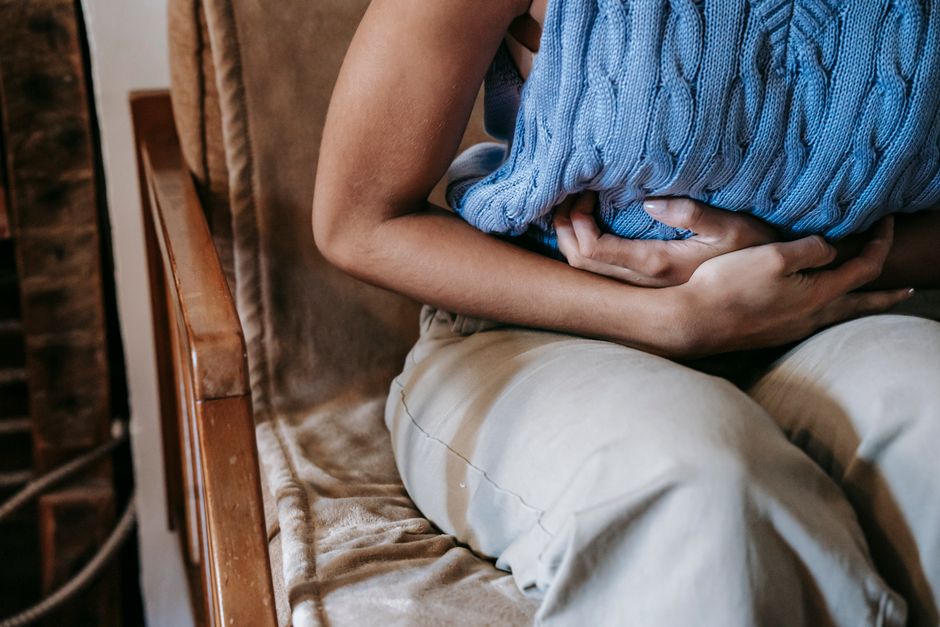
Bloating is that tight, swollen feeling in your belly that makes your pants feel uncomfortable by midday. It is not the same as belly fat, which builds up slowly over time. Bloating comes and goes, often within hours. The good news is you can start reducing it today with a few straightforward changes. Most bloating comes from swallowed air, gas produced by gut bacteria, or water retention. Addressing these root causes works better than any quick fix or detox tea you see online. Let us walk through what the evidence actually says works.
What Actually Causes Bloating in the First Place?
Bloating happens when gas or fluid builds up in your digestive tract. It is not one single problem. Different people bloat for different reasons. Understanding your own pattern is the first step to fixing it.
Swallowing air is a common cause you might not notice. Eating too fast, talking while chewing, drinking carbonated beverages, or chewing gum all push extra air into your stomach. That air has to go somewhere. Some of it comes back up as burping. The rest travels through your intestines and causes that distended feeling.
Another major cause is how your gut bacteria break down food. Certain carbohydrates called fermentable oligosaccharides, disaccharides, monosaccharides, and polyols (often shortened to FODMAPs) are not fully digested in your small intestine. They travel to your large intestine where bacteria feast on them and produce gas. For many people, this is the main driver of bloating.
Water retention can also mimic bloating. High sodium intake, hormonal shifts, and even dehydration can make your body hold onto extra fluid. This type of bloating feels different from gas bloating. It tends to be more diffuse and affects your fingers and face too, not just your belly.
How Can You Decrease Bloating by Changing What You Eat?
Diet is the most powerful lever you have for reducing bloating. But the right changes depend on what is causing your bloating in the first place. A few evidence-backed strategies can help most people.
Slow down how you eat. This is simple but surprisingly effective. When you eat quickly, you swallow more air. Research shows that mindful eating — taking smaller bites, chewing thoroughly, and putting your fork down between bites — significantly reduces the amount of air you swallow. Aim for 20 chews per bite. It sounds tedious, but it works.
Cut back on carbonated drinks. The bubbles in soda, sparkling water, and beer are carbon dioxide gas. Drinking them directly introduces gas into your digestive tract. If you bloat regularly, switching to still water for a week is worth trying. Many people notice a difference within days.
Be careful with high-fiber foods. Fiber is good for you overall, but sudden increases can cause bloating. Beans, lentils, broccoli, cabbage, and whole grains are common culprits. The solution is not to avoid them entirely. Slowly increase your fiber intake over several weeks so your gut bacteria have time to adjust. As of 2026, current research suggests that a gradual increase of 2 to 3 grams of fiber per day is well tolerated by most people.
Consider a low FODMAP diet if your bloating is persistent and bothersome. This is not a permanent diet. It is a short-term elimination protocol done under guidance from a dietitian. You remove high-FODMAP foods for two to six weeks, then slowly reintroduce them to identify your personal triggers. Studies have found that about 70 percent of people with irritable bowel syndrome (IBS) experience significant symptom improvement on a low FODMAP diet. Many people without IBS also benefit.
Do Probiotics and Digestive Enzymes Help Decrease Bloating?
Probiotics are one of the most hyped supplements for gut health. The evidence is more mixed than marketing suggests. Some specific strains show promise for bloating, while others have little effect or can even make symptoms worse.
Research shows that certain probiotic strains can reduce gas production and improve gut motility. Strains like Bifidobacterium lactis and Lactobacillus acidophilus have the strongest evidence for bloating relief. A 2022 review of randomized controlled trials found that people taking these strains reported 30 to 40 percent less bloating compared to placebo after four to eight weeks.
However, not all probiotics are the same. Many over-the-counter products contain strains that have not been studied for bloating. Some people actually feel worse when they start probiotics because the new bacteria produce gas as they colonize the gut. This usually passes after a week or two. If it does not, that specific probiotic is probably not right for you.
Digestive enzymes are a different story. They help break down specific foods that your body struggles to digest. For example, lactase enzymes help people with lactose intolerance digest dairy. Alpha-galactosidase enzymes (found in products like Beano) help break down complex carbohydrates in beans and cruciferous vegetables. Evidence indicates these enzymes work well for the specific foods they target. They are not a general solution for all bloating. If your bloating is triggered by a specific food group, matching the right enzyme to that food can help.
| Supplement Type | What It Does | Best For | Evidence Strength |
|---|---|---|---|
| Probiotics (B. lactis, L. acidophilus) | Alters gut bacteria balance | General bloating, IBS | Moderate to strong |
| Probiotics (other strains) | Varies widely | Unknown or specific conditions | Weak to moderate |
| Lactase enzymes | Breaks down lactose | Dairy-induced bloating | Strong |
| Alpha-galactosidase | Breaks down complex carbs | Bean and vegetable bloating | Strong |
| Digestive enzyme blends | General carb/fat/protein breakdown | General bloating | Weak evidence, mostly anecdotal |




What Role Does Hydration and Salt Play in Bloating?
Water and sodium balance directly affect how much fluid your body holds onto. This is especially true for women, who experience fluid shifts during their menstrual cycle. Getting both right can noticeably decrease bloating.
Drinking enough water helps your kidneys flush out excess sodium. When you are dehydrated, your body holds onto sodium and water to maintain balance. This creates a vicious cycle where you feel bloated because you are not drinking enough. Aim for clear or light yellow urine as a simple marker of adequate hydration. For most people, this means six to eight glasses of water per day, though individual needs vary.
Reducing sodium intake is equally important. The average American eats about 3,400 milligrams of sodium per day, well above the recommended 2,300 milligram limit. Processed foods, restaurant meals, and packaged snacks are the biggest sources. Cutting back by cooking more meals at home and using herbs instead of salt can reduce bloating within a few days.
Potassium-rich foods help counterbalance sodium. Bananas, avocados, sweet potatoes, spinach, and tomatoes are good sources. Potassium helps your kidneys excrete excess sodium. Some studies suggest that increasing potassium intake is more effective for reducing water retention than simply cutting salt alone.
Can Movement and Posture Help Decrease Bloating?
Physical activity helps move gas through your digestive tract. Even gentle movement can make a difference. The key is consistency rather than intensity.
Walking after meals is one of the simplest and most effective strategies. A 15 to 20 minute walk stimulates intestinal contractions that push gas out of your system. Research shows that people who walk after meals report significantly less bloating than those who sit or lie down. It does not need to be a power walk. A leisurely pace works fine.
Yoga poses that compress and release the abdomen can also help. Child’s pose, cat-cow, and knees-to-chest are specific poses that many people find relieve gas pressure. These positions physically massage the intestines and encourage gas movement. A 2021 study found that people with IBS who practiced yoga for 12 weeks reported 40 percent less bloating compared to a control group.
Avoid tight clothing around your waist. High-waisted jeans, shapewear, and tight belts can compress your abdomen and make bloating feel worse. They do not cause bloating, but they can trap gas and increase discomfort. Opt for looser clothing on days when you feel bloated.
Common Misconceptions About Decrease Bloating
There is a lot of bad advice online about bloating. Some of it is harmless but ineffective. Some of it can actually make things worse.
Charcoal supplements are widely claimed to absorb gas and reduce bloating. Strong evidence is limited. A few small studies show modest effects, but larger trials have not confirmed them. Charcoal can also interfere with medication absorption, so it is not worth taking regularly without medical advice.
Detox teas and cleanses are another popular myth. These products often contain senna or other stimulant laxatives. They cause you to have a bowel movement, which can temporarily reduce bloating. But they do not address the underlying causes. Overuse can lead to dehydration, electrolyte imbalances, and dependence. There is no clinical evidence that any detox tea provides lasting relief from bloating.
Avoiding all carbohydrates is not a solution either. Low-carb diets can reduce bloating in the short term because they eliminate high-FODMAP foods like wheat and beans. But they also reduce fiber intake, which can slow digestion and cause constipation. Constipation is a major cause of bloating. The goal is to identify which carbs trigger your bloating, not to eliminate all of them.
Ginger and peppermint are often recommended for bloating. Some people report relief, and small studies suggest they can relax the digestive tract. But the evidence is not strong enough to recommend them as a primary treatment. They are safe to try, but do not expect dramatic results.
Frequently Asked Questions About decrease bloating
How quickly can I decrease bloating with diet changes?
Most people notice improvement within 24 to 48 hours after cutting out carbonated drinks and eating more slowly. More significant changes like a low FODMAP diet take 2 to 6 weeks to show full results.
Does drinking more water help with bloating or make it worse?
Drinking enough water helps flush out excess sodium and reduces fluid retention. It does not make bloating worse unless you drink an excessive amount in a very short time, which is rare.
Can stress cause bloating even if I eat well?
Yes, stress affects gut motility and can slow digestion, leading to gas buildup. The gut-brain connection is real, and managing stress through movement or breathing exercises can help reduce bloating.
Are probiotics safe to take every day for bloating?
Probiotics are safe for most people when taken as directed. Some people experience temporary gas or discomfort in the first week, which usually resolves. If bloating worsens after two weeks, stop and try a different strain.
