
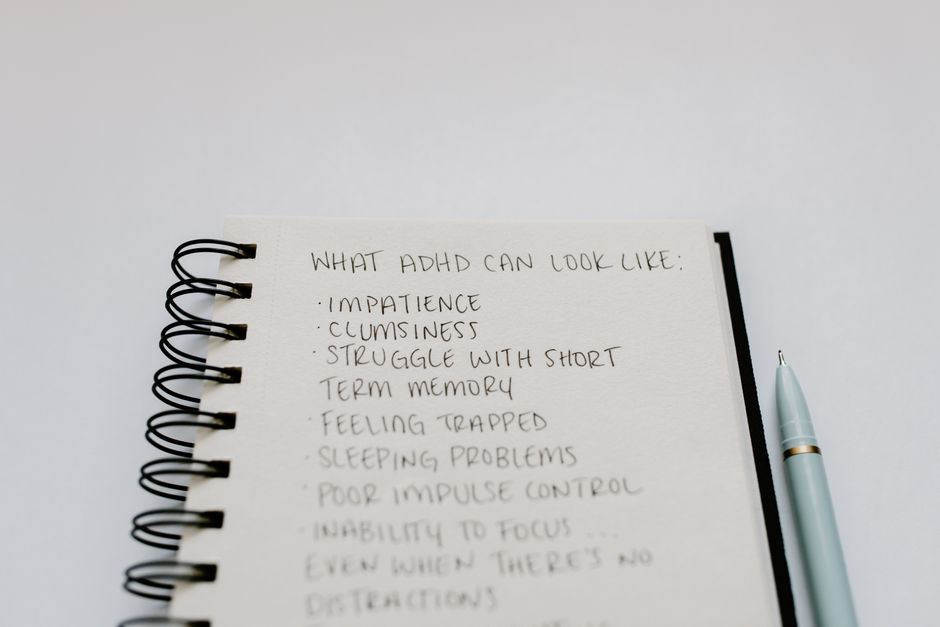
An ADHD meltdown in an adult is an intense, overwhelming emotional response that happens when stress and stimulation exceed the brain’s ability to cope. It is not a tantrum or a sign of immaturity; it is a neurological overload that shuts down logical thinking. The key to dealing with one is understanding that it is a physiological event, not a behavioral choice, and responding with specific calming strategies rather than arguments or reasoning.
What Is an ADHD Meltdown and How Is It Different From a Tantrum?
An ADHD meltdown is a sudden, explosive release of emotion that occurs when the brain is overstimulated or overwhelmed. For an adult with ADHD, the executive function system — which manages emotions, impulses, and problem-solving — becomes temporarily overloaded. The result is a flood of frustration, anger, or tears that feels uncontrollable.
It is not a tantrum. A tantrum is a goal-directed behavior, often used to get a specific outcome. A meltdown is a loss of control with no intended goal. The person having a meltdown is not trying to manipulate anyone; they are experiencing a neurological shutdown of their coping mechanisms. Recognizing this difference is the first step in responding correctly.
What Causes an ADHD Meltdown in Adults?
Meltdowns are triggered by an accumulation of stressors, not a single event. The ADHD brain has a lower threshold for sensory input and emotional stimulation. When too many demands pile up — work deadlines, relationship stress, lack of sleep, hunger, or even loud environments — the brain’s capacity is exceeded and the meltdown erupts.
Specific triggers often include sensory overload, such as bright lights, loud noises, or crowded spaces. Emotional triggers like feeling criticized, rejected, or misunderstood are also common. Task-related triggers, like being interrupted, facing an unexpected change in plans, or hitting a roadblock on a complex project, can push an already taxed system over the edge. Rejection sensitive dysphoria, a condition common in ADHD where perceived criticism feels physically painful, can rapidly escalate a minor comment into a full meltdown.
How To Deal With An Adhd Meltdown In Adults: Immediate Steps That Work
When a meltdown is underway, the priority is safety and de-escalation, not problem-solving. The person’s rational brain is offline. Trying to reason, explain, or argue will only prolong the episode.
Step one is to remove the stimulation. Move to a quieter space if possible. Turn off loud music, dim lights, or step outside. Reducing sensory input gives the nervous system a chance to reset.
Step two is to use grounding techniques. These bring the brain back to the present moment. Simple methods include naming five things you can see, placing both feet firmly on the floor, or holding a cold object like an ice cube. These actions shift brain activity from the emotional limbic system back to the logical prefrontal cortex.
Step three is slow breathing. Deep, slow exhales activate the parasympathetic nervous system, which is responsible for calming the body down. A practical pattern is inhaling for four counts and exhaling for six counts. This is not a relaxation technique; it is a physiological intervention that lowers heart rate and blood pressure.
If you are supporting someone else through a meltdown, do not touch them without asking. Do not say “calm down.” Instead, use short, simple, non-judgmental phrases. “I am here” and “Let us sit down” are more effective than any explanation. Offer water. Offer a blanket. Offer presence without demands.





What Should You Not Do During an ADHD Meltdown?
Avoiding certain responses is as important as taking positive action. The most common mistake is trying to have a conversation during the meltdown. The person cannot process complex information in this state. Any attempt to discuss what happened will be met with more frustration.
Do not minimize the experience. Phrases like “it is not that big a deal” or “just get over it” invalidate the person’s genuine neurological distress. This response often escalates the meltdown because it adds a feeling of being misunderstood to the already overwhelming emotions.
Do not threaten consequences. Statements like “if you do not stop, I am leaving” increase the sense of threat and make the nervous system more dysregulated. Do not try to physically restrain the person unless they are a danger to themselves or others. Physical restraint can trigger a fight-or-flight response that makes things far worse.
How Long Does an ADHD Meltdown Last and What Happens After?
A typical meltdown lasts anywhere from a few minutes to 30 minutes. The duration depends on the intensity of the trigger, the person’s stress levels beforehand, and how quickly the environment is calmed. After the peak passes, the person often experiences a “crash.” This is a period of exhaustion, shame, and sometimes physical fatigue that can last hours or even a day.
This post-meltdown period is critical. It is not the time for a lecture or a review of what went wrong. The brain is depleted and needs rest. Hydration, food, and quiet are the best supports. Once the person is fully recovered — often the next day — a calm, brief conversation about the trigger can be productive, but only if the person with ADHD initiates it or agrees to it.
Shame after a meltdown is common and can be deeply damaging. Many adults with ADHD report feeling like they are “too much” or fundamentally broken after losing control. Reassurance that meltdowns are a known part of ADHD, not a character flaw, is essential for emotional recovery.
Long-Term Strategies to Reduce the Frequency of ADHD Meltdowns
Prevention is more effective than management. Because meltdowns are triggered by overwhelm, the long-term goal is to reduce the overall load on the nervous system.
Sleep is the foundation. ADHD symptoms worsen significantly with sleep deprivation. Consistent sleep schedules and adequate rest hours are the single most effective prevention strategy.
Regular meals matter. Low blood sugar amplifies irritability and emotional instability. Eating balanced meals at regular intervals prevents a biological trigger from stacking on top of daily stress.
Medication management helps. Stimulant and non-stimulant ADHD medications treat the core symptoms of inattention and impulsivity, which in turn reduces the frequency of emotional overload. Many adults find that consistent medication use makes meltdowns less frequent and less intense.
Structured routines reduce decision fatigue. Every decision an ADHD brain makes consumes energy. Automating morning routines, meal choices, and work schedules frees up cognitive capacity for emotional regulation. Using alarms, visual schedules, and habit stacking are practical methods that work with the ADHD brain rather than against it.
Learning to recognize early warning signs is a skill that develops over time. Restlessness, irritability, fidgeting, or a sudden inability to focus are often early indicators that the threshold is being approached. Intervening at this stage — by taking a break, going for a walk, or using a quick breathing exercise — can prevent a full meltdown from occurring.
When an ADHD Meltdown Requires Professional Help
Meltdowns themselves are not dangerous, but the behaviors during them can be. If a person becomes physically aggressive toward themselves or others, or if they damage property, professional intervention is needed. This is not a sign of failure; it is a sign that the current management plan is insufficient.
If meltdowns occur multiple times per week, last longer than 30 minutes, or are followed by prolonged periods of depression or self-harm thoughts, a mental health professional should be consulted. A psychiatrist can adjust medication. A therapist trained in cognitive behavioral therapy or dialectical behavior therapy can teach specific emotional regulation skills. These therapies have shown effectiveness in helping adults with ADHD manage intense emotions.
There is also a difference between an ADHD meltdown and other conditions. Bipolar disorder, borderline personality disorder, and intermittent explosive disorder can all present with intense emotional outbursts. A thorough evaluation by a qualified professional ensures the correct diagnosis and the correct treatment. Self-diagnosis based on online information is not sufficient for distinguishing between these conditions.
Frequently Asked Questions
Can an ADHD meltdown happen without warning?
Yes, but most meltdowns have early warning signs like restlessness, irritability, or withdrawal that appear minutes before the peak.
Is an ADHD meltdown the same as an anxiety attack?
No. An anxiety attack is primarily a fear response with physical symptoms like rapid heart rate and shortness of breath, while an ADHD meltdown is an emotional release from sensory or cognitive overload.
Should you talk to someone after an ADHD meltdown?
Yes, but only after they have fully recovered, usually the next day, and only if they are willing to discuss it.
Can ADHD medication prevent meltdowns?
Medication reduces the frequency and intensity of meltdowns by managing core ADHD symptoms, but it does not eliminate them entirely.
