
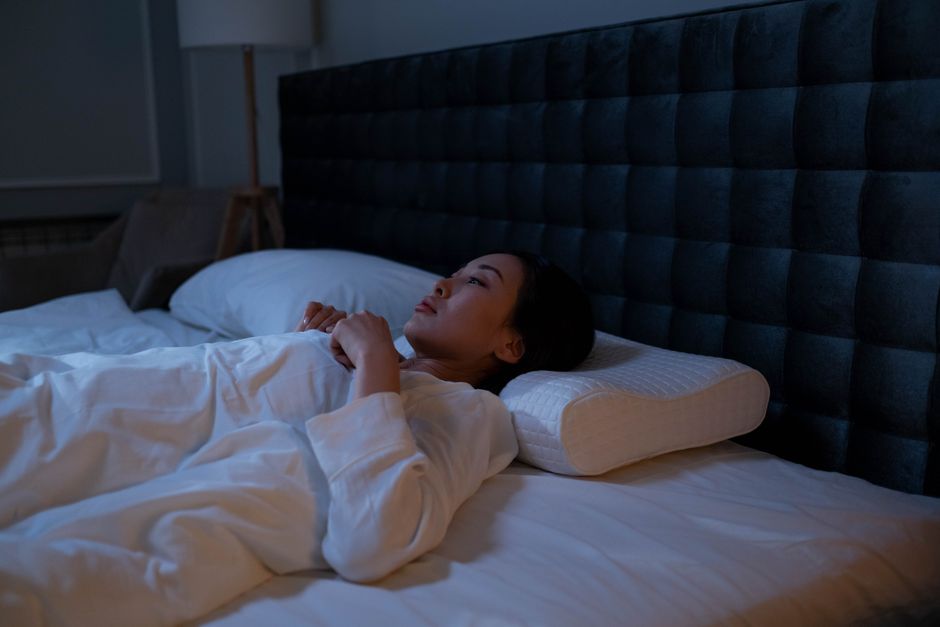
Waking up screaming, thrashing, or drenched in sweat is terrifying — especially when you are an adult and have no memory of it. Night terrors in adults are not nightmares. They are a distinct sleep disorder where the brain partially wakes from deep sleep, causing intense fear and physical agitation while the person remains asleep. The good news is that most adults can reduce or stop them by identifying the underlying trigger, improving sleep hygiene, and, in some cases, seeking medical treatment.
What Are Night Terrors in Adults?
Night terrors are a type of parasomnia — an unwanted event that happens during sleep. They occur during non-REM (NREM) sleep, specifically in the deepest stage called slow-wave sleep. This stage happens early in the night, usually within the first few hours of falling asleep.
During a night terror, the brain is caught between being asleep and being awake. The person may sit up, scream, cry, or flail. Their heart rate and breathing may spike. Their eyes may be open, but they are not conscious. Most people have no memory of the episode the next morning.
Night terrors are different from nightmares. Nightmares happen during REM sleep, usually in the second half of the night, and the person wakes up and remembers the dream. Night terrors happen in deep sleep, and the person rarely wakes fully or remembers anything.
What Causes Night Terrors in Adults?
Night terrors in adults are not fully understood, but research points to a combination of factors. The core mechanism is an abnormal arousal from deep sleep. The brain’s sleep-wake switch misfires, producing a state of partial wakefulness that triggers the fight-or-flight response.
Several factors can trigger this misfiring:
- Sleep deprivation: Not getting enough sleep increases the pressure for deep sleep, which can make abnormal arousals more likely.
- Irregular sleep schedules: Shift work, jet lag, or inconsistent bedtimes disrupt the natural sleep cycle.
- Stress and anxiety: Emotional tension can increase the likelihood of partial arousals.
- Fever or illness: A high body temperature can disrupt sleep architecture.
- Alcohol: Alcohol changes sleep structure and can trigger parasomnias, especially when it wears off during the night.
- Certain medications: Some sedatives, antidepressants, and sleep aids have been linked to night terrors.
- Sleep-disordered breathing: Conditions like obstructive sleep apnea cause repeated breathing interruptions that fragment sleep.
- Restless legs syndrome: Leg movements during sleep can cause partial arousals.
- Genetics: Night terrors run in families. If a parent had them, you are more likely to have them.
In adults, night terrors are less common than in children, but they are not rare. Some research suggests that adult night terrors are more often linked to psychological stress and sleep disorders than childhood cases, which often resolve on their own.
How Are Night Terrors Different From Nightmares?
Understanding the difference matters because the treatment is different. Nightmares are bad dreams that wake you up. You remember them. They happen during REM sleep, which is when dreaming occurs. They are often linked to stress, trauma, or anxiety.
Night terrors are not dreams. The person is not consciously experiencing a storyline. The brain is in a state of partial arousal from deep sleep. The person is not awake and usually does not respond to comfort. Trying to wake someone during a night terror can make the episode worse or cause confusion and agitation.
Night terrors also involve physical symptoms that nightmares do not. During a night terror, the person may have a racing heart, rapid breathing, sweating, and dilated pupils. These are signs of the sympathetic nervous system — the fight-or-flight response — being activated while the brain is still asleep.





How to Stop Night Terrors in Adults
Stopping night terrors starts with identifying the cause. For many adults, fixing the underlying trigger is enough. For others, a medical evaluation is necessary.
1. Prioritize Consistent Sleep
Sleep deprivation is one of the most common triggers. Adults need about 7 to 9 hours of sleep per night. Going to bed and waking at the same time every day — even on weekends — helps anchor the sleep cycle. If you are chronically sleep-deprived, your brain will spend more time in deep sleep when you finally rest, increasing the chance of an abnormal arousal.
2. Reduce Alcohol, Especially at Night
Alcohol fragments sleep. It suppresses REM sleep early in the night, then causes a rebound effect as it wears off. This rebound can trigger arousals and parasomnias. Cutting out alcohol — or at least limiting it to earlier in the evening — can reduce night terrors in some adults.
3. Manage Stress Before Bed
Stress does not directly cause night terrors, but it lowers the threshold for abnormal arousals. A wind-down routine that includes reading, light stretching, or meditation can help. Avoid intense conversations, work emails, or screens in the hour before bed.
4. Treat Underlying Sleep Disorders
Obstructive sleep apnea is a known trigger for night terrors in adults. If you snore loudly, wake gasping, or feel exhausted during the day, a sleep study may be warranted. Treating sleep apnea with CPAP therapy or other interventions often resolves the night terrors.
5. Review Your Medications
Some medications — including certain antidepressants, sedatives, and blood pressure drugs — have been associated with parasomnias. Do not stop any prescribed medication on your own. Talk to your doctor about whether your medication could be contributing.
6. Scheduled Awakenings
For people with frequent night terrors, a technique called scheduled awakening can help. You wake the person about 15 to 30 minutes before the time they typically have an episode, then let them go back to sleep. This interrupts the sleep cycle and can prevent the terror from happening. This works best when the episodes occur at a predictable time.
When to See a Doctor
Occasional night terrors are not dangerous, but frequent ones can affect your quality of life and your safety. See a doctor if any of the following apply:
- The episodes happen more than once a week.
- You or your partner are being injured during episodes.
- The episodes started suddenly in adulthood with no clear trigger.
- You have symptoms of sleep apnea, like loud snoring or daytime sleepiness.
- You feel anxious about going to sleep.
A doctor may recommend a sleep study, called polysomnography, to rule out underlying disorders. This test records brain waves, heart rate, breathing, and movement during sleep. It is the only reliable way to diagnose sleep-disordered breathing and other parasomnias.
In some cases, medications are used. Benzodiazepines like clonazepam are sometimes prescribed off-label for adult night terrors because they suppress deep sleep. However, these are not first-line treatments. They carry risks of dependence and side effects, especially in older adults. No medication is specifically approved by the FDA for night terrors.
What to Do During a Night Terror
If you witness a night terror, the best approach is to do nothing — or very little. Do not try to wake the person. They are not conscious, and waking them can cause confusion, fear, or even aggression.
Instead, make sure the environment is safe. Remove sharp objects or furniture they could hit. Gently guide them back to bed if they are standing. Speak in a calm, soft voice. Do not shout or grab them.
Most episodes last between 1 and 10 minutes. Afterward, the person usually returns to sleep without fully waking. In the morning, they will likely have no memory of the event. Do not bring it up unless they ask. Rehashing it can cause anxiety about sleep.
Can Adults Outgrow Night Terrors?
Children often outgrow night terrors by adolescence. Adults do not reliably outgrow them. If night terrors persist into adulthood, they are more likely to be linked to an ongoing trigger — stress, sleep deprivation, medication, or an untreated sleep disorder.
Some adults have them for years without knowing it. They only find out because a partner tells them. Others have a handful of episodes in their lifetime and never have another one. The pattern depends on the cause.
Frequently Asked Questions
Can stress cause night terrors in adults?
Yes, stress and anxiety are common triggers. Emotional tension increases the likelihood of partial arousals from deep sleep, which can lead to night terrors.
Are night terrors dangerous for adults?
They are not directly dangerous, but they can cause injury from thrashing or falling out of bed. Frequent episodes also disrupt sleep quality and may point to an underlying condition like sleep apnea.
What is the best treatment for adult night terrors?
Treating the underlying cause is the most effective approach. This often means fixing sleep deprivation, reducing alcohol, managing stress, or treating sleep apnea with CPAP therapy.
Should I wake someone having a night terror?
No. Waking someone during a night terror can cause confusion and agitation. Instead, keep them safe, speak calmly, and let the episode pass on its own.
