

Morning sickness that lasts all day is exhausting, frustrating, and physically draining. The name is misleading because for many women, the nausea does not stop at noon. It can linger through the afternoon, evening, and even wake you at night. The good news is that most cases of all-day nausea are manageable with a combination of dietary changes, lifestyle adjustments, and sometimes medication. The key is finding what works for your body, and knowing when to ask your doctor for help. This guide covers the practical steps that are backed by evidence and clinical experience.
Why Does Morning Sickness Last All Day?
Nausea in pregnancy is not caused by one single thing. It is a complex response to the rapid hormonal changes happening in your body. The main driver is a hormone called human chorionic gonadotropin (hCG). This hormone rises quickly in early pregnancy, and its peak usually coincides with the worst nausea around weeks 9 to 12.
Estrogen and progesterone also play a role. These hormones relax the digestive tract, which slows down the movement of food through your stomach and intestines. Slower digestion means food sits in your stomach longer. That gives nausea more time to build, especially if you go too long between meals.
There is also a sensory component. Many pregnant women develop a heightened sense of smell. Scents that never bothered you before—coffee, cooking meat, perfume, even your partner’s deodorant—can trigger waves of nausea instantly. This is not in your head. It is a real, measurable change in how your brain processes odors during pregnancy.
What Actually Helps With All-Day Nausea?
The most effective strategies for all-day nausea focus on keeping your stomach from ever being completely empty and avoiding sudden blood sugar drops. An empty stomach allows stomach acid to accumulate, which worsens nausea. Low blood sugar also triggers nausea in many women.
Here is what consistently helps in clinical practice:
- Eat small, frequent meals. Aim for six to eight mini-meals spread across the day instead of three large ones. Even a few saltine crackers before you get out of bed can make a difference.
- Keep crackers or plain toast on your nightstand. Eat a few before your feet hit the floor in the morning. This gives your stomach something to work on before the nausea sets in.
- Stay hydrated, but sip slowly. Drinking a large glass of water quickly can distend your stomach and trigger nausea. Take small sips throughout the day. Cold, carbonated water or electrolyte drinks work better for some women.
- Eat protein at every mini-meal. Protein takes longer to digest and helps stabilize blood sugar. A hard-boiled egg, a string cheese stick, or a few nuts can be more effective than a carbohydrate-only snack.
- Avoid strong smells. Ask someone else to cook if possible. Eat cold foods instead of hot ones because they release fewer odors. Leave the room when someone microwaves fish or heats up leftovers.
Ginger is one of the few natural remedies with solid research behind it. Some studies have found that ginger can reduce nausea severity in pregnancy. You can try ginger tea, ginger ale made with real ginger, or crystallized ginger. The evidence is not strong enough to say it works for everyone, but it is safe in normal food amounts and worth trying.
Vitamin B6 is another option that has been studied for pregnancy nausea. Research suggests it can help reduce symptoms for some women. The standard dose used in studies is 10 to 25 milligrams taken three or four times daily. You should ask your doctor before starting any supplement, even a vitamin.
When Should You See a Doctor for Severe Nausea?
There is a difference between unpleasant nausea and a medical condition called hyperemesis gravidarum. This is the severe form of pregnancy sickness that causes significant weight loss, dehydration, and electrolyte imbalances. It affects a small percentage of pregnant women, but it requires medical treatment.
You should contact your doctor if you experience any of these signs:
- You cannot keep down fluids for more than 12 hours.
- You are urinating less frequently or your urine is dark yellow.
- You feel dizzy, lightheaded, or faint when you stand up.
- You are losing weight rather than gaining it.
- Your vomit contains blood or looks like coffee grounds.
- You cannot keep any food down for 24 hours.
Dehydration is the biggest immediate risk with severe nausea. Your body needs fluids to maintain your blood volume, which is expanding significantly during pregnancy. If you cannot keep water down, do not wait it out. Call your doctor.
There are prescription medications that are safe to use during pregnancy for nausea. These are not a last resort. They are a legitimate treatment option when conservative measures fail. Some clinicians recommend them early rather than waiting for severe dehydration to develop.



Can Anything Make All-Day Nausea Worse?
Yes. Several everyday habits can worsen nausea without you realizing it.
Iron supplements are a common culprit. Prenatal vitamins contain iron, and iron is notorious for irritating the stomach and causing nausea. If your nausea started or worsened around the same time you began taking your prenatal vitamin, talk to your doctor. They may suggest taking the vitamin at night with food, or switching to a different formulation. Do not stop taking your prenatal vitamin without discussing it with your doctor first.
Lying flat after eating makes nausea worse. When you lie down, stomach acid can wash back up into your esophagus, which triggers both heartburn and nausea. Stay upright for at least 30 minutes after eating. If you need to rest, prop yourself up with pillows.
Gulping liquids with meals can fill your stomach too quickly. Separate your fluids from your food. Drink most of your liquids between meals rather than with them.
Brushing your teeth right after eating can trigger the gag reflex. If this is a problem for you, brush before meals or wait at least 30 minutes after eating.
How Long Does All-Day Nausea Last?
For most women, nausea peaks between weeks 9 and 12 of pregnancy. It usually improves significantly by the end of the first trimester, around week 14. But “usually” is not “always.” Some women continue to experience nausea well into the second trimester. A smaller number deal with it for their entire pregnancy.
There is no way to predict exactly how long yours will last. The pattern of your symptoms is not a sign of how healthy your pregnancy is. Nausea is not an indicator of fetal health, and having no nausea at all is equally normal. Do not compare your experience to someone else’s.
One thing that may help is tracking your symptoms. Keep a simple diary of when your nausea is worst, what you ate, and what made it better. After a few days, patterns often emerge. Maybe your nausea peaks at 3 p.m. every day, and a small protein snack at 2:30 prevents it. Maybe you always feel worse on days you skip breakfast. These patterns give you actionable information.
Are There Any Treatments That Do Not Work?
Yes, and it is worth being honest about them. Many products marketed for pregnancy nausea have little or no evidence behind them.
Acupressure wristbands are widely sold for motion sickness and pregnancy nausea. The research on their effectiveness is mixed. Some studies show a small benefit, while others show no difference compared to a placebo. They are safe and inexpensive, so you can try them. Just know that the evidence does not strongly confirm they work.
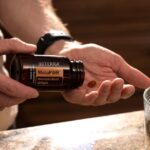
Essential oils are sometimes recommended for nausea. There is no solid clinical evidence that inhaling essential oils reduces pregnancy nausea. Some scents, like peppermint or lemon, may help you personally feel better, but this is an individual response, not a proven treatment. Be careful with essential oils during pregnancy because some are not considered safe. Always check with your doctor before using them.
Unproven herbal supplements should be avoided. Many herbs have not been studied for safety in pregnancy. Some can cross the placenta and have unknown effects on the developing baby. Just because a product is labeled “natural” does not mean it is safe for pregnancy.
Frequently Asked Questions
Can all-day morning sickness hurt my baby?
No, nausea itself does not harm your baby. Your baby gets nutrients from your body’s reserves even if you are eating less than usual.
The risk comes only if you cannot keep fluids down and become dehydrated, which is why severe vomiting needs medical attention.
What is the fastest way to stop pregnancy nausea?
Eating a small amount of bland food like saltine crackers or dry toast is the fastest way to settle an empty stomach.
Taking slow sips of a cold, carbonated drink can also help, but there is no single fix that works for everyone.
Is it normal to have morning sickness at night?
Yes, nausea can happen at any time of day, including night.
Keeping a small snack by your bed and eating it if you wake up can help prevent nighttime nausea.
When should I go to the hospital for morning sickness?
Go to the hospital if you cannot keep any fluids down for 12 hours, feel dizzy when standing, or are urinating very little.
These are signs of dehydration that needs treatment with IV fluids.
