
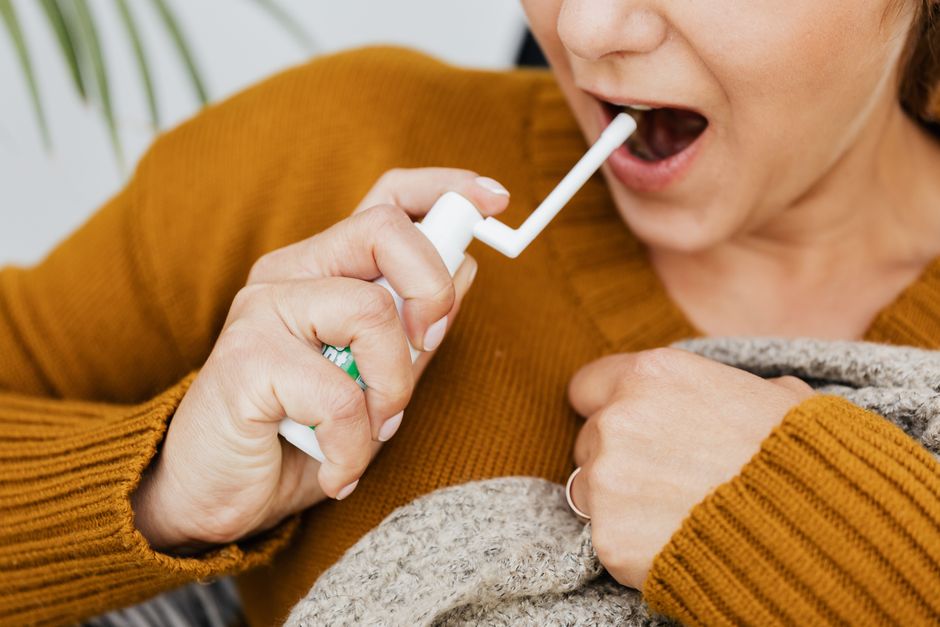
Yes, adults get strep throat. It is not just a childhood illness. While it is most common in children between 5 and 15 years old, adults of any age can develop it. The bacteria that causes strep throat does not discriminate by age, and adult cases are a regular occurrence in clinics and doctor’s offices every year.
What Exactly Is Strep Throat?
Strep throat is an infection of the throat and tonsils caused by a specific type of bacteria called Group A Streptococcus, also known as Streptococcus pyogenes. This is a different organism from the viruses that cause most sore throats.
The distinction matters. Viral sore throats are far more common in adults. They usually resolve on their own within a week. Strep throat, however, is bacterial and requires antibiotics to treat properly and prevent complications.
The bacteria spreads through respiratory droplets. When an infected person coughs or sneezes, the bacteria travel through the air. You can also pick it up by touching a surface with the bacteria on it and then touching your mouth, nose, or eyes.
Do Adults Get Strep Throat as Often as Children?
No. Children get strep throat more frequently than adults. This is partly because children are in close contact with each other in schools and daycare centers. Their immune systems are also still developing exposure to many common bacteria.
Adults get it less often, but the infection is not rare. Adults who live with children, work in schools, or have close contact with large groups of people face a higher risk. The key point is that adult susceptibility is real, and the infection can be just as severe as it is in children.
Some research suggests that up to 10% of adults who visit a doctor for a sore throat actually have strep. That means for every ten adults with a sore throat, about one will test positive for the strep bacteria. The remaining nine likely have a viral infection.
What Are the Symptoms of Strep Throat in Adults?
Strep throat symptoms can come on suddenly. They are often more intense than the symptoms of a common viral sore throat. The hallmark signs include:
- Severe sore throat that starts quickly
- Pain when swallowing
- Red and swollen tonsils, sometimes with white patches or streaks of pus
- Tiny red spots on the roof of the mouth
- Swollen lymph nodes in the front of the neck
- Fever over 101°F (38.3°C)
- Headache
- Nausea or vomiting, more common in children but possible in adults
Not everyone gets every symptom. Some adults have a mild case that feels like a regular cold. Others have severe pain and high fever. The presence of a cough, runny nose, or hoarse voice usually points to a viral cause rather than strep. These symptoms are not typical of strep throat.





How Is Strep Throat Diagnosed in Adults?
Doctors do not diagnose strep throat by looking at your throat alone. The appearance can be similar to viral infections. Instead, a doctor will perform a test.
The most common test is a rapid antigen detection test. A healthcare provider swabs the back of your throat. The test looks for the presence of strep bacteria. Results come back in about 10 to 15 minutes. This test is highly accurate when it is positive.
If the rapid test is negative but the doctor still suspects strep, they may send a throat culture to a laboratory. A culture takes 24 to 48 hours to grow. It is more sensitive than the rapid test. This means it can catch infections the rapid test misses.
Diagnosis matters because treatment decisions depend on it. Antibiotics do not work against viral infections. Taking them when you have a virus contributes to antibiotic resistance and offers no benefit.
Why Do Adults Need Treatment for Strep Throat?
Strep throat can resolve on its own without antibiotics. The body’s immune system can fight off the bacteria over time. However, treatment is strongly recommended for several important reasons.
Antibiotics shorten the duration of illness. They reduce the severity of symptoms and help you feel better faster. They also reduce the period during which you are contagious to others.
The most critical reason to treat strep is to prevent complications. Untreated strep can lead to rheumatic fever, a serious inflammatory condition that can damage the heart valves permanently. It can also cause post-streptococcal glomerulonephritis, a kidney condition that can lead to kidney damage.
These complications are rare in developed countries where antibiotics are readily available. But they are serious enough that treatment is considered standard practice. Antibiotics also help prevent the formation of abscesses near the tonsils, a painful condition called peritonsillar abscess that can require drainage.
The standard treatment is a course of antibiotics. Penicillin or amoxicillin are the first choices for most adults. For those allergic to penicillin, alternatives like cephalexin or azithromycin are used. It is essential to complete the full course of antibiotics even if you feel better before finishing them.
How Contagious Is Strep Throat in Adults?
Strep throat is highly contagious. You can spread it to others through respiratory droplets when you cough or sneeze. You can also spread it by sharing food, drinks, or utensils.
You are most contagious when symptoms are at their peak. This is usually the first few days of illness. Without antibiotics, you can remain contagious for up to two to three weeks.
With antibiotics, you are typically no longer contagious after 24 hours of treatment. This is why doctors recommend staying home from work or school until you have been on antibiotics for a full day and your fever has resolved.
Can Adults Prevent Strep Throat?
There is no vaccine for strep throat. Prevention relies on good hygiene practices. The same habits that reduce the spread of colds and flu also work for strep.
Wash your hands frequently with soap and water for at least 20 seconds. Use hand sanitizer when soap is not available. Avoid touching your face, especially your mouth, nose, and eyes.
Do not share personal items like water bottles, cups, or eating utensils. Cover your mouth and nose when coughing or sneezing, ideally with a tissue or your elbow rather than your hands.
If you live with someone who has strep, avoid close contact until they have been on antibiotics for at least 24 hours. Wash dishes and utensils in hot, soapy water or a dishwasher.
When Should an Adult See a Doctor for a Sore Throat?
Most sore throats in adults are viral and do not require medical attention. Home care with rest, fluids, and over-the-counter pain relievers is usually enough. But certain signs should prompt a visit to a doctor.
See a doctor if you have a sore throat along with a fever above 101°F. Seek care if you see white patches on your tonsils, if swallowing is extremely painful, or if you have swollen lymph nodes in your neck. A sore throat that lasts more than a week without improvement also warrants evaluation.
Seek emergency care if you have difficulty breathing, difficulty swallowing saliva, or drooling. These are signs of a potentially serious airway obstruction. These symptoms require immediate medical attention.
Frequently Asked Questions
Can strep throat go away without antibiotics in adults?
Yes, the immune system can clear the infection without antibiotics. However, treatment is still recommended to prevent rare but serious complications like rheumatic fever and to shorten the contagious period.
How long is strep throat contagious in adults?
Without antibiotics, you can spread strep for up to two to three weeks. After starting antibiotics, you are usually no longer contagious after 24 hours of treatment.
Is strep throat worse in adults than children?
Symptoms can be similar in both age groups. Adults may experience more severe throat pain, but children are more likely to have nausea and vomiting with the infection.
Can adults get strep throat without a fever?
Yes. Fever is common but not universal. Some adults have a mild case with only a sore throat and no fever. A negative test is still needed to confirm the diagnosis.
