
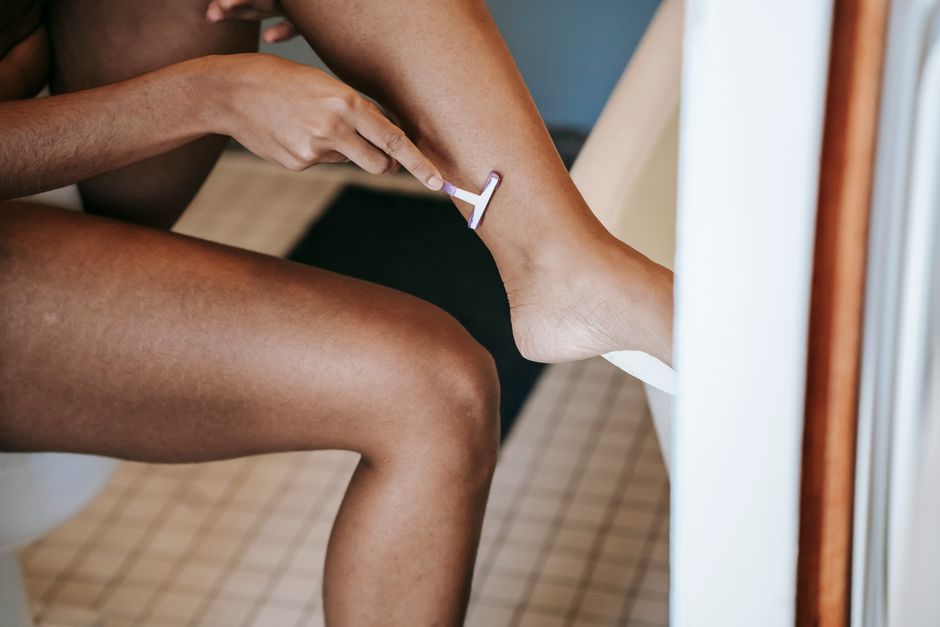
Razor bumps and irritation in the pubic area are common, but they are not unavoidable. The key is to prepare the skin and hair before you start, use the right tools, and follow a specific aftercare routine. Shaving right after a warm shower, using a fresh sharp razor, and shaving in the direction of hair growth are the most reliable ways to reduce friction and prevent ingrown hairs. You do not need expensive products to get a clean result without the painful aftermath.
Why Do Razor Bumps Happen In The Pubic Area?
Razor bumps, also called pseudofolliculitis barbae, are ingrown hairs. When you cut a hair very close to the skin, the sharp tip can curl back and grow into the skin instead of out of the follicle. The body treats this trapped hair as a foreign object, which causes redness, swelling, and sometimes pus.
The pubic area is especially prone to this problem. The hair here is coarser and curlier than scalp hair. The skin is also more sensitive and has more nerve endings. The combination of thick hair and delicate skin means any slight mistake during shaving can cause a reaction.
Friction is another major factor. Tight underwear or clothing rubs against freshly shaved skin and can push hairs back into the follicle. Sweat and bacteria also play a role in making the area more irritated after shaving.
How To Cut Your Pubes Without Razor Bumps Or Irritation
The single most effective change you can make is to prepare the skin properly. Shaving dry skin or skin that has only been splashed with water creates drag. That drag pulls the hair and causes micro-tears in the skin surface.
Take a warm shower for at least five minutes before you shave. The heat softens the hair shaft and opens the pores. This makes the hair stand up slightly and cuts down on resistance. If you cannot shower, hold a warm wet washcloth over the area for three to five minutes.
Use a shaving cream or gel designed for sensitive skin. Look for products without fragrance, alcohol, or menthol. These ingredients sting and can cause contact dermatitis in a sensitive area. A plain, unscented conditioner can work in a pinch, but a dedicated shaving product provides better glide.
Always use a fresh razor. A dull blade pulls at the hair instead of cutting it cleanly. This pulling causes the hair to be cut at an angle, which makes ingrown hairs more likely. Replace your razor after five to seven uses, or sooner if you notice any tugging.
Shave in the direction of hair growth. This means shaving downward, following the natural lay of the hair. Against-the-grain shaving gives a closer result but dramatically increases the risk of bumps. For most people, a single pass with the grain is enough to look neat and tidy.
Do not stretch the skin tight while shaving. A common mistake is pulling the skin taut to get a closer shave. This causes the hair to retract below the skin surface when you release the tension. Let the skin stay relaxed and let the razor glide over the surface.
What Is The Best Way To Trim Instead Of Shave?
Trimming is the safest option if you are prone to severe razor bumps or if you have very curly hair. A trimmer leaves a small amount of stubble above the skin surface. Because the hair is not cut below the skin line, it cannot easily curl back into the follicle.
Use a dedicated beard trimmer or body groomer with a guard. Start with the longest guard setting and work down until you find a length that looks clean but does not cause irritation. Never use the trimmer without a guard on the pubic area. The skin here is loose and can easily be caught between the blades.
Trim in a well-lit area and go slowly. Pull the skin gently flat with one hand and run the trimmer over the area with light pressure. Do not press down. The goal is to cut the hair, not to scrape the skin.
Many people find that trimming the hair short and then shaving only the edges and the bikini line gives the best balance. This keeps the main area bump-free while giving a clean outline where underwear sits.





What Should You Do Immediately After Shaving?
Rinse the area with cool water to remove any remaining shaving cream and to close the pores. Pat the skin dry with a clean towel. Do not rub. Rubbing creates friction that can irritate freshly shaved skin.
Apply a gentle, alcohol-free moisturizer or a small amount of aloe vera gel. Products with witch hazel can help soothe the skin, but avoid anything with high alcohol content. The goal is to calm the skin and reduce inflammation, not to sting it.
Do not apply deodorant, scented lotion, or baby powder to the area immediately after shaving. These products can block the hair follicles and cause irritation. If you need to use a product, choose one that is fragrance-free and designed for sensitive skin.
Wear loose cotton underwear for the rest of the day. Tight synthetic fabrics trap heat and moisture, which creates a perfect environment for bacteria to grow. Cotton allows the skin to breathe and reduces friction against the shaved area.
How Can You Prevent Ingrown Hairs In The Days After?
The days after shaving are when most razor bumps appear. The hair starts to regrow within 24 to 48 hours, and this is when it can become trapped under the skin. A simple daily routine can prevent most ingrown hairs.
Exfoliate gently starting two days after shaving. Use a soft washcloth or a mild sugar scrub in circular motions. This removes dead skin cells that can block the hair follicle. Do not exfoliate on the same day you shave, as the skin is already irritated.
Moisturize daily. Well-hydrated skin is softer and allows hairs to grow out more easily. Dry, flaky skin traps hairs beneath its surface. A simple unscented lotion applied once a day is usually enough.
If you see a hair starting to curl back, you can gently lift the tip with a sterile needle or tweezers. Do not dig or pick at the bump. Only lift the hair if it is visible at the surface. If it is not visible, leave it alone and let the exfoliation work.
Resist the urge to shave again for at least three to four days. Shaving over irritated skin makes the problem worse. Give the area time to heal before you consider another shave.
Are There Better Alternatives To Shaving?
Shaving is not the only option for managing pubic hair. Waxing removes hair from the root, which means the regrowth is softer and less likely to cause bumps. However, waxing is painful, can cause burns if the wax is too hot, and requires the hair to be long enough to grip.
Depilatory creams dissolve the hair just below the skin surface. They are effective but contain strong chemicals that can burn sensitive skin. Always do a patch test on a small area 24 hours before applying to the pubic region. Never leave the cream on longer than the package instructs.
Laser hair removal is a longer-term solution. It uses light energy to damage the hair follicle and reduce regrowth. This requires multiple sessions and is expensive, but many people find it eliminates razor bumps entirely. Results vary by skin tone and hair color, and not everyone is a good candidate.
Some research suggests that topical creams containing eflornithine can slow hair growth, but these are prescription products and are not specifically approved for pubic hair. Do not use prescription hair growth creams without discussing it with a doctor.
When Should You See A Doctor About Razor Bumps?
Most razor bumps resolve on their own within one to two weeks. If the bumps become painful, fill with yellow pus, or spread beyond the shaved area, you may have a bacterial infection. This requires medical attention.
See a doctor if you develop fever, swelling that does not go down, or red streaks radiating from the area. These are signs of a more serious infection that needs prescription treatment. Do not try to pop or drain infected bumps yourself, as this can spread the infection deeper.
If you get severe razor bumps every time you shave despite following all the steps above, talk to a dermatologist. They can prescribe topical antibiotics or recommend other hair removal methods that will work better for your skin type.
Frequently Asked Questions
How long should I wait between shaves to avoid irritation?
Wait at least three to four days between shaves. This gives the skin time to heal and allows any existing bumps to resolve before you irritate the area again.
Is it better to shave pubic hair with or against the grain?
Shave with the grain, in the direction the hair grows. Shaving against the grain gives a closer result but significantly increases the risk of razor bumps and ingrown hairs.
Can I use regular body soap to shave my pubic area?
No. Regular soap does not provide enough lubrication and can dry out the skin. Use a shaving cream or gel designed for sensitive skin to reduce friction and protect the area.
Does cold water after shaving prevent razor bumps?
Cold water can help reduce immediate redness and soothe the skin, but it does not prevent ingrown hairs. The main prevention steps are proper preparation, a sharp razor, and shaving with the grain.
