

Perioral dermatitis is a red, bumpy rash around the mouth that usually does not clear up on its own quickly — and some of the most popular home remedies can actually make it worse. The fastest evidence-based route to clearing it is to stop using topical steroids on your face, switch to a gentle fragrance-free skincare routine, and see a dermatologist, because prescription treatment is what reliably resolves most cases. There is no proven overnight home cure, and anyone promising one is guessing.
What Is Perioral Dermatitis and Why Does It Happen?
Perioral dermatitis is an inflammatory skin condition that shows up as small red bumps, sometimes with scaling or a mild burning feeling, clustered around the mouth. It can also appear around the nose and eyes, which is why some clinicians call it periorificial dermatitis instead.
The name is a little misleading. The bumps usually spare the very edge of the lip itself, leaving a narrow clear zone right at the lip border. That detail helps doctors tell it apart from other rashes.
Why it happens is not fully settled. Several factors are strongly associated with it:
- Prolonged use of topical corticosteroids on the face — the strongest and most consistent trigger identified in the medical literature
- Heavy or occlusive skincare, including thick creams and heavy makeup
- Fluorinated toothpaste and some oral hygiene products
- Inhaled or nasal steroids, particularly in children
- Hormonal shifts, which may explain why it is more common in women of childbearing age
That last point is worth clarifying. Perioral dermatitis is reported far more often in women than men, but that does not mean hormones cause it. It may reflect who seeks care, who uses facial steroids, and how the condition is studied. The honest position is that the female predominance is real and observed, but the reason is not established.
How To Cure Perioral Dermatitis Fast At Home
The single most important step is stopping any topical steroid on your face. This is the one home action with clear clinical support behind it, and it is also the step most people resist because it makes things worse before they get better.
When you stop a steroid, the rash often flares. Redness deepens, bumps multiply, and burning increases for a period before the skin settles. This is called a rebound, and it is expected. It does not mean the plan is failing. It means the skin is adjusting. The length of this rebound varies a lot between people, and no reliable timeline applies to everyone.
Beyond stopping steroids, a few low-risk measures make sense:
- Wash with lukewarm water and a mild, fragrance-free cleanser. Skip scrubs and cleansing brushes.
- Use a light, fragrance-free moisturizer rather than a thick occlusive cream. Heavy products can trap irritants against the skin.
- Switch to a fluoride-free or low-fluoride toothpaste if you suspect yours is a factor.
- Pause makeup, sunscreen with heavy chemical filters, and any new skincare products until the skin calms.
- Do not pick, scrub, or exfoliate the area. Mechanical irritation slows healing.
The uncomfortable truth is that home measures alone do not reliably clear perioral dermatitis. They remove triggers and reduce irritation. They rarely resolve the inflammation by themselves. Prescription treatment is what usually finishes the job.
Which Home Remedies Actually Help — and Which Backfire
Some home remedies are harmless. Some are actively counterproductive. Sorting them matters because the wrong choice can extend the problem by weeks.
What may help:
- Zero-therapy skincare — using as few products as possible. This is a common clinical approach and often the first thing dermatologists recommend.
- Fluoride-free toothpaste, if toothpaste seems to be a trigger for you.
- Zinc-based or gentle barrier creams, though evidence for these specifically in perioral dermatitis is limited.
What tends to backfire:
- Hydrocortisone or any steroid cream. This is the most common mistake and the most likely to worsen the condition.
- Heavy coconut oil, petrolatum-heavy balms, and thick occlusive moisturizers, which can worsen the rash in some people.
- Tea tree oil, apple cider vinegar, and other strong essential oils. These irritate already inflamed skin.
- Antibacterial face washes and acne treatments. Perioral dermatitis is not acne, and drying products usually make it worse.
No clinical evidence currently confirms that any single home remedy cures perioral dermatitis on its own. Anyone claiming otherwise is going beyond what the research supports.




When Home Treatment Is Not Enough
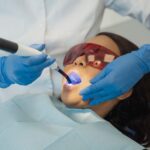
Perioral dermatitis usually needs prescription treatment. That is not a failure of home care — it reflects what the condition is. It is an inflammatory disorder, and topical or oral medication is what reliably brings it under control.
Dermatologists commonly prescribe one or more of the following:
- Topical metronidazole
- Topical erythromycin or clindamycin
- Topical pimecrolimus or tacrolimus
- Oral antibiotics such as doxycycline or tetracycline for more stubborn cases
- Oral isotretinoin for severe or treatment-resistant cases
Some clinicians also use a short course of oral antibiotics even when the rash looks mild, because the inflammatory response can be stubborn. This is common practice, though the strength of evidence varies between the specific options.
You should see a dermatologist rather than continue self-treating if:
- The rash has not improved after several weeks of trigger removal
- It is spreading or getting worse
- You have been using a topical steroid on your face
- It is affecting your eyes or eyelids
- You are pregnant or breastfeeding, since treatment options differ
Pregnancy and breastfeeding deserve a specific note. Several standard treatments are not used in these groups, and no clinical guidelines currently exist for treating perioral dermatitis in pregnancy with a single agreed protocol. If you are pregnant or nursing, this is a case for a clinician, not a home experiment.
How Long Does Perioral Dermatitis Take To Clear?
With treatment, many cases improve within a few weeks, though some take several months to fully resolve. Without treatment — or with continued steroid use — it can persist for months or longer.
Several things affect the timeline:
- Whether a topical steroid was being used, and for how long
- How consistently triggers are removed
- Which treatment is prescribed
- Individual skin response, which varies widely
The rebound after stopping steroids is often the hardest part. It can last days to weeks and sometimes longer. Knowing this in advance matters, because people who stop a steroid without expecting the flare often restart it, and that restarts the cycle.
Two things are worth being honest about. First, there is no reliable way to predict exactly how long your case will take. Second, “fast” is relative here. Perioral dermatitis is not a condition that clears in 48 hours, and any product or routine claiming otherwise is not supported by evidence.
How To Keep Perioral Dermatitis From Coming Back
Prevention is mostly about avoiding the trigger that caused it in the first place. For many people, that trigger is a topical steroid.
If you have had perioral dermatitis once, be cautious about using any steroid cream on your face again, including mild over-the-counter hydrocortisone. What feels soothing in the short term can restart the problem.
Other preventive habits that make sense:
- Keep your facial routine simple and fragrance-free
- Avoid heavy occlusive products on the lower face
- Do not use harsh exfoliants or strong actives near the mouth
- If fluoride toothpaste seems to trigger it for you, consider a fluoride-free option
One clarification worth making: perioral dermatitis is not contagious, and it is not caused by poor hygiene. Scrubbing harder does not help and usually hurts. The instinct to “clean it more” is understandable and wrong.
Frequently Asked Questions
Can perioral dermatitis go away on its own?
It can, but it often takes months and frequently returns if the trigger is still present. Most cases resolve faster with prescription treatment than with home care alone.
What is the fastest way to get rid of perioral dermatitis?
Stop any topical steroid on your face and see a dermatologist for prescription treatment, which is what most reliably clears it. There is no proven home remedy that resolves it quickly on its own.
Does hydrocortisone cream help perioral dermatitis?
No. Topical steroids are the most common trigger and usually make the rash worse over time, even if they feel soothing at first.
What toothpaste should I use if I have perioral dermatitis?
Some clinicians suggest switching to a fluoride-free toothpaste, since fluoride is a suspected trigger in some people. The evidence for this is not strong, but the change is low-risk.
