
Tooth sensitivity pain is not something you have to live with. The pain happens when the protective enamel on your teeth wears down or your gums recede, exposing the softer dentin underneath. You can cure the pain by treating the exposed dentin with desensitizing toothpaste, changing how you brush, and having your dentist apply professional treatments like fluoride varnish or bonding agents. For lasting relief, you must also fix the underlying cause, whether that is brushing too hard, grinding your teeth, or gum disease.
What Actually Causes Tooth Sensitivity Pain?
Tooth sensitivity is not a disease. It is a symptom. The pain is a response to a physical problem inside your tooth structure.
Your teeth have three layers. The outer layer is enamel, the hardest substance in your body. Under that is dentin, a porous yellow layer full of microscopic tubes. At the center is the pulp, which contains the nerves and blood vessels.
When enamel wears thin or gums pull back, dentin becomes exposed. The tiny tubes in the dentin allow hot, cold, sweet, or acidic stimuli to reach the nerve inside the tooth. That triggers a sharp, sudden pain.
This explanation is called the fluid movement theory. Researchers have understood it for decades. When a stimulus hits exposed dentin, fluid inside the tubes shifts. That movement activates the nerve endings. The result is the brief, shooting pain you feel.
How To Cure Tooth Sensitivity Pain: What Works First
Desensitizing toothpaste is the first-line treatment. These toothpastes contain compounds like potassium nitrate or stannous fluoride. Potassium nitrate works by calming the nerve inside the tooth. Stannous fluoride physically blocks the open dentin tubes.
Use the toothpaste consistently. It is not a one-time fix. Most people need to brush with it twice daily for several weeks before they notice meaningful relief. Some clinical studies show improvement within two weeks, but individual results vary.
Apply a small amount of the toothpaste directly to the sensitive area with your fingertip and leave it there for one minute before brushing. This is a technique some dentists recommend to maximize contact time with the exposed dentin. It is safe and costs nothing extra.
If desensitizing toothpaste does not fully resolve the pain within four to six weeks, you need professional treatment. Do not keep waiting and hoping it will improve on its own.
Professional Treatments That Stop the Pain
Your dentist has several options that work faster and stronger than anything you can buy at the store.
Fluoride varnish is a high-concentration fluoride coating painted onto the sensitive areas. It helps strengthen the remaining enamel and reduces nerve excitability. One application can provide relief that lasts for months, though you may need repeat treatments.
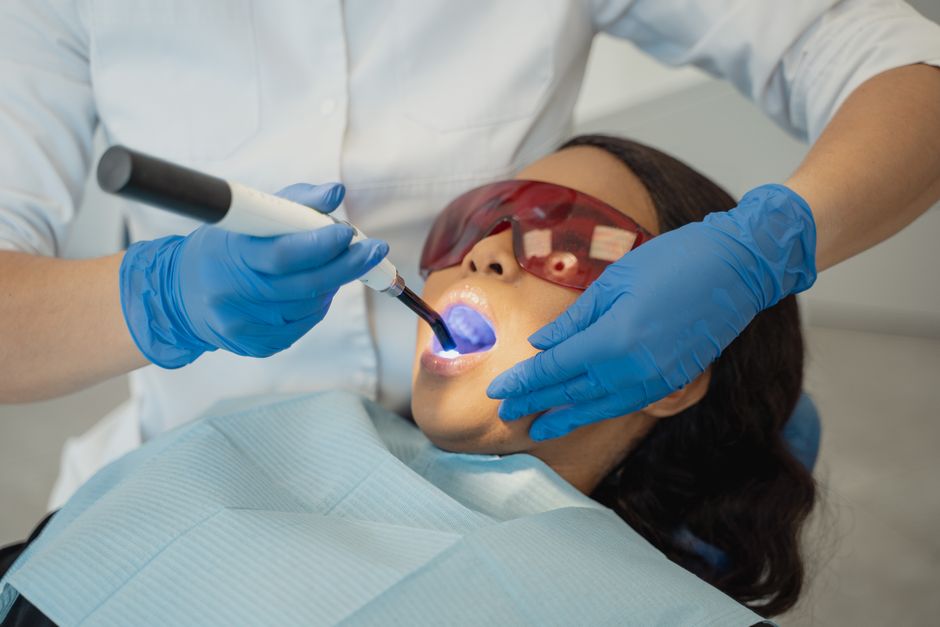
Bonding agents are tooth-colored resins that physically seal the exposed dentin. This is like putting a patch over a leak. The dentist applies the resin to the sensitive root or worn area and cures it with a special light. Relief is immediate because the stimulus can no longer reach the nerve.
Desensitizing agents applied in the office work differently. Products containing glutaraldehyde or other protein-precipitating agents chemically block the dentin tubules. The effect can last several months before reapplication is needed.
Your dentist will choose based on the cause and location of your sensitivity. Root surface sensitivity from gum recession often responds best to bonding. Sensitivity from enamel erosion often responds best to fluoride varnish.




Fix the Habits That Cause Sensitivity
Treatment fails when you keep doing the thing that caused the problem. You must address the root cause or the pain will return.
Brushing too hard is the most common cause of enamel wear and gum recession. Use a soft-bristled toothbrush. Hold it like a pen, not like a scrub brush. Use short, gentle strokes at a 45-degree angle to the gumline. If your toothbrush bristles look frayed after two weeks, you are brushing too hard.
Acidic foods and drinks soften enamel temporarily. Citrus fruits, soda, sports drinks, and wine are common culprits. When enamel is softened, brushing can literally scrub it away. Wait at least 30 minutes after consuming acidic foods before you brush. Rinse your mouth with plain water immediately after to neutralize the acid.
Teeth grinding, also called bruxism, wears down the biting surfaces of your teeth. Many people grind at night without knowing it. If you wake with jaw pain, headaches, or notice flat spots on your teeth, talk to your dentist about a night guard. This plastic appliance protects your teeth from the forces of grinding.
Gum disease causes the gums to pull away from the teeth, exposing the roots. Roots have no enamel layer. They are covered only by cementum, which is much softer and wears away quickly when exposed. Treating the gum disease stops further recession. A deep cleaning or periodontal therapy may be necessary.
When Tooth Sensitivity Is Something Worse
Not every sharp tooth pain is sensitivity. Some pain signals a more serious problem that will not respond to desensitizing toothpaste.
See your dentist promptly if you have pain that lingers after the stimulus is removed. True sensitivity pain is sharp but brief, lasting only seconds. Pain that continues for minutes or hours suggests the nerve is inflamed, which is pulpitis. This requires root canal treatment, not desensitizing therapy.
Pain that wakes you at night is another red flag. So is pain when you bite down. These symptoms point to an infection or a cracked tooth, not simple sensitivity.
A single sensitive tooth, rather than multiple teeth, also deserves attention. It could indicate a cavity, a cracked tooth, or a failing filling. Only a dental examination with X-rays can tell the difference.
Home Remedies: What Works and What Is Just Noise
You will find many home remedies online. Some have a basis in science. Most do not.
Salt water rinses can help if your sensitivity comes from gum inflammation. Salt water is a mild antiseptic that reduces swelling. It does not block dentin tubules and will not cure sensitivity caused by enamel wear. Rinse with a half-teaspoon of salt dissolved in a glass of warm water twice daily. This is safe but limited in effect.
Oil pulling is a traditional practice of swishing oil in your mouth for 15-20 minutes. Some claim it reduces sensitivity. No clinical evidence supports this. Oil pulling does not remineralize enamel or block dentin tubules. It is harmless but not a treatment.
Clove oil contains eugenol, a compound with numbing properties. Applying diluted clove oil to a sensitive tooth can temporarily reduce pain. It is a palliative measure, not a cure. Do not apply undiluted clove oil, as it can irritate the gums.
Green tea mouth rinses have gained attention because green tea contains fluoride naturally. Some studies suggest green tea may help with oral health generally. No solid evidence shows it cures tooth sensitivity. Use it as a complement, not a substitute for proven treatments.
How To Prevent Sensitivity From Returning
Prevention is straightforward once you understand the mechanism. Protect the enamel you have and keep your gums healthy.
Use a fluoride toothpaste every time you brush, twice daily. Fluoride incorporates into the enamel structure, making it more resistant to acid attacks. This is one of the most well-established facts in dental science.
Consider a toothpaste with nano-hydroxyapatite, an alternative to fluoride that some research suggests can remineralize early enamel damage. The evidence is promising but not as extensive as the evidence for fluoride. Both are reasonable choices.
Limit acidic foods and drinks. When you do consume them, do not sip them slowly over hours. Finish them quickly and rinse with water afterward. Chewing sugar-free gum after meals stimulates saliva, which naturally neutralizes acid and helps remineralize enamel.
Keep your regular dental checkups. Your dentist can spot early enamel wear or gum recession before it becomes painful. Early intervention is always simpler than treating advanced problems.
Frequently Asked Questions
Can tooth sensitivity go away permanently?
Yes, if the underlying cause is treated. Professional bonding or fluoride treatments can provide long-lasting relief, but you must also correct the habit or condition that caused the sensitivity.
How long does desensitizing toothpaste take to work?
Most people notice improvement within two weeks of twice-daily use. If you see no change after four to six weeks, you need professional treatment.
Is tooth sensitivity a sign of a cavity?
Not always, but it can be. Sensitivity to cold that fades quickly is usually exposed dentin. Pain that lingers or affects only one tooth may indicate a cavity or cracked tooth and requires a dental exam.
Does brushing harder make tooth sensitivity worse?
Yes. Brushing hard wears away enamel and pushes gums down, exposing more dentin. Use a soft brush with gentle circular motions instead.
