
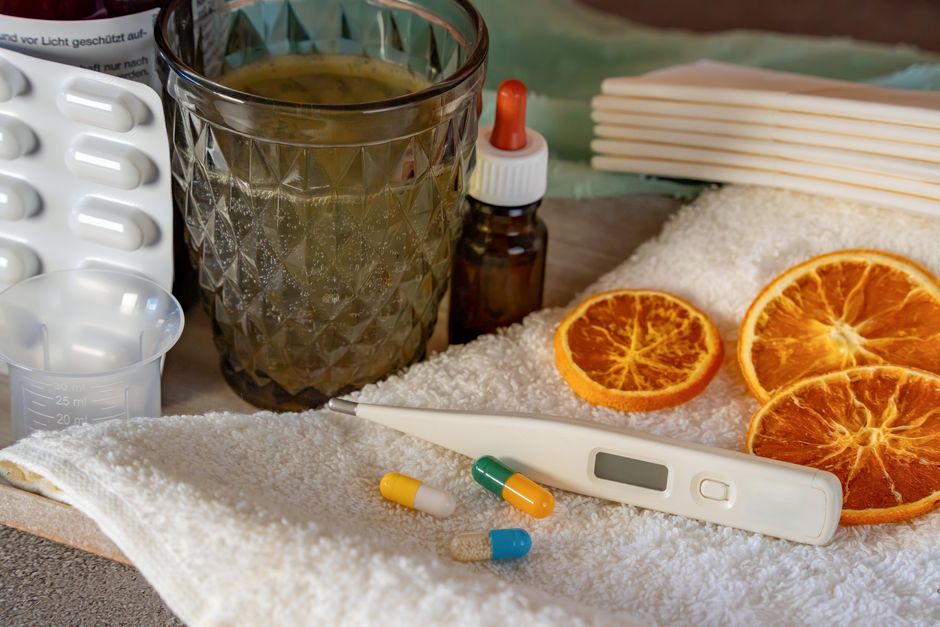
A fever blister can appear without warning, usually at the worst possible time. You want it gone, and you want it gone now. The fastest way to treat a cold sore is to start antiviral medication at the first sign of a tingling or burning sensation, before the blister even forms. Prescription antiviral drugs like acyclovir, valacyclovir, and famciclovir are the only treatments proven to shorten an outbreak. For most people, that means the sore heals a day or two faster than it would on its own. Over-the-counter creams can help with symptoms, but they do not stop the virus from replicating.
What Causes a Fever Blister and Why Do They Keep Coming Back?
Fever blisters, also called cold sores, come from the herpes simplex virus type 1 (HSV-1). Most people catch this virus as children through casual contact like sharing a cup or a kiss. Once the virus enters the body, it stays there for life. It travels to nerve cells near the face and goes dormant.
The virus wakes up from time to time. When it reactivates, it travels back down the nerve to the skin and creates a blister. Not everyone who carries HSV-1 gets outbreaks. Some people carry the virus and never have a single cold sore. Others get them several times a year.
Several triggers are known to wake the virus up. Illness with fever is a classic trigger, which is where the name “fever blister” comes from. Stress, fatigue, sun exposure, hormonal changes, and skin irritation can also trigger an outbreak. Some people notice a pattern and can predict when a sore will appear.
How To Make A Fever Blister Go Away Fast What Works
The single most effective step is timing. The moment you feel a tingling, itching, or burning spot on your lip, that is the prodrome phase. This happens 12 to 24 hours before the blister appears. Starting treatment at this point gives you the best chance of stopping the blister from forming at all, or at least keeping it small.
Prescription antiviral medications are the gold standard. These drugs stop the virus from making copies of itself. Less virus means less tissue damage and a shorter healing time.
- Acyclovir (Zovirax) is available as a cream or an oral pill. The pill is more effective than the cream.
- Valacyclovir
- Famciclovir (Famvir) is also taken by mouth and works similarly.
(Valtrex) is taken by mouth. It absorbs well and requires fewer doses per day.
These are prescription medications in the United States. You need to see a doctor or use a telehealth service to get them. Many people keep a prescription on hand so they can start treatment immediately when they feel that first tingle.
Studies consistently show that oral antivirals reduce healing time by roughly one to two days. They also reduce pain and the size of the lesion. If you start them within the first 48 hours of symptoms, the effect is strongest.
Do Over-the-Counter Creams Actually Work?
Over-the-counter cold sore creams are widely available. The most common active ingredient is docosanol, sold under the brand name Abreva. Docosanol works by preventing the virus from fusing with the cell membrane, which stops it from entering healthy cells.
Clinical trials show docosanol shortens healing time by about half a day to a full day compared to a placebo. That is a real effect, but it is modest. It does not stop the virus from replicating once it is inside a cell. It only protects nearby cells from becoming infected.
Other OTC products contain ingredients like benzocaine or lidocaine to numb the area. These do not heal the sore. They only manage pain. Some products combine a numbing agent with a skin protectant like allantoin or dimethicone. These can make the sore feel more comfortable and look less crusty, but they do not fight the virus.
Lysine creams and supplements are popular, but the evidence is weak. Some small studies suggest lysine may help prevent outbreaks when taken daily, but results are mixed. No large, high-quality trial has confirmed that lysine speeds up healing of an active cold sore. The evidence does not support relying on lysine as your primary treatment.



Home Remedies: What Helps and What Can Hurt
People try many home remedies for cold sores. Some are harmless. Others can make things worse.
Applying a cold compress can reduce pain and swelling. Use a clean cloth dampened with cool water and hold it against the sore for 10 to 15 minutes several times a day. This is safe and provides real symptom relief, though it does not shorten the outbreak.
Keeping the area moist with a plain lip balm or petroleum jelly can prevent cracking and bleeding. A sore that cracks open is more painful and takes longer to heal. Moisturizing also reduces the risk of the sore splitting when you talk or eat.
Some people apply tea tree oil, witch hazel, or diluted hydrogen peroxide. These can irritate the skin and delay healing. Alcohol-based products dry out the blister, which sounds helpful but actually slows the healing process. Avoid harsh chemicals on an active cold sore.
One dangerous trend is applying toothpaste to a cold sore. Toothpaste contains ingredients like sodium lauryl sulfate and baking soda that are harsh on broken skin. This can cause severe irritation and make the sore worse. No evidence supports this practice.
What Not To Do When You Have a Fever Blister
Do not pick at the blister or try to pop it. The fluid inside contains live virus particles. Popping the blister spreads the virus to other parts of your lip and can cause the sore to spread. It also opens the skin to bacterial infection, which can complicate healing and leave a scar.
Do not share personal items while you have an active sore. This includes lip balm, utensils, cups, towels, and razors. HSV-1 spreads easily through contact with the fluid from the blister. You can also spread the virus to other parts of your own body, most dangerously to your eyes. Herpes infection of the eye can cause corneal scarring and vision loss. Wash your hands thoroughly after touching your face.
Be cautious with intimate contact. HSV-1 can spread to a partner’s genitals through oral sex, causing genital herpes. The risk is highest when a visible blister is present, but the virus can shed from the skin even when no sore is visible.
When To See a Doctor
Most cold sores resolve on their own within 7 to 10 days without treatment. With antiviral medication, healing may take 5 to 7 days. You do not usually need to see a doctor for a routine outbreak if you are otherwise healthy.
See a doctor if the sore does not heal within two weeks. A sore that lasts longer could be something else, including a bacterial infection or, in rare cases, skin cancer. Do not assume a persistent lip lesion is just a stubborn cold sore.
Seek medical attention promptly if the virus spreads to your eye. Symptoms include eye pain, redness, tearing, or a feeling that something is in your eye. This is a medical emergency that requires immediate treatment.
People with weakened immune systems should consult a doctor about any cold sore outbreak. This includes people undergoing chemotherapy, organ transplant recipients, and those with advanced HIV. For these individuals, HSV-1 can cause more severe and widespread disease that requires professional management.
If you get outbreaks more than six times a year, ask your doctor about suppressive therapy. Taking a daily antiviral pill can reduce the frequency of outbreaks dramatically. Many people on suppressive therapy have zero outbreaks per year.
Can You Prevent Fever Blisters From Coming Back?
Prevention focuses on avoiding known triggers. If sun exposure triggers your outbreaks, use SPF lip balm daily. If stress is your trigger, that is harder to control, but many people find that improving sleep and managing stress levels reduces outbreak frequency.
Daily suppressive antiviral therapy is the most reliable prevention method. A low daily dose of valacyclovir or acyclovir keeps the virus dormant in most people. This is a prescription medication, so it requires a doctor’s supervision. It is generally well tolerated with few side effects.
Some research suggests that regular lysine supplementation of 1,000 mg or more daily may reduce outbreak frequency in some people, but the evidence is inconsistent. No clinical guidelines currently recommend lysine for prevention. If you want to try it, discuss it with your doctor first, especially if you take other medications.
Frequently Asked Questions
Can you stop a fever blister before it appears?
Yes, if you start prescription antiviral medication during the tingling prodrome phase, you can sometimes prevent the blister from forming entirely. Starting treatment within the first 48 hours of symptoms gives the best result.
Is toothpaste good for a fever blister?
No, toothpaste irritates broken skin and can make a cold sore worse. No evidence supports using toothpaste on a fever blister, and it can delay healing.
How long is a fever blister contagious?
A cold sore is contagious from the first tingle until the scab completely falls off, which is usually 7 to 10 days. The fluid in the blister is highly contagious, so avoid contact with the area during this entire period.
Does ice help a fever blister go away faster?
Ice reduces pain and swelling but does not kill the virus or shorten the outbreak. Use a cold compress for comfort while antiviral medication does the actual healing work.
