
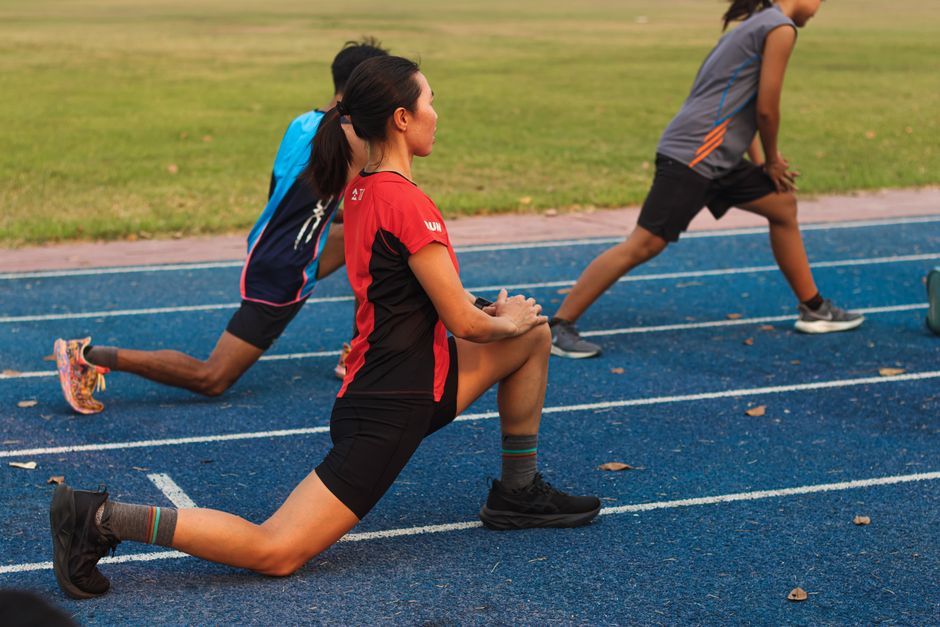
Shin pain after running is a common complaint, and stretching is often the first thing runners try for relief. The fastest way to ease that tight, aching feeling is to target the muscles that surround the shin bone with gentle, sustained stretches. However, it is critical to understand that if the pain is sharp, severe, or persists for days, you may be dealing with a stress fracture or compartment syndrome, which require medical attention rather than stretching. For standard muscle tightness and mild shin splints, this guide covers the most effective stretches to perform immediately after your run.
Why Do My Shins Feel Tight After Running?
Shin tightness usually comes from the muscles on the front and side of your lower leg. These muscles, primarily the tibialis anterior, work hard to control your foot as it hits the ground. When they fatigue, they tighten up and can pull on the connective tissue attached to the shin bone.
Running on hard surfaces, increasing your mileage too quickly, or wearing worn-out shoes makes this worse. The pain you feel is often a sign of inflammation where the muscle meets the bone. Stretching helps by lengthening those overworked fibers and improving blood flow to the area, which can speed up recovery.
How To Stretch Shins After Running For Fast Relief: The Essential Moves
The most effective way to stretch the front of your shin is to point your toe and flex your foot against resistance. The classic kneeling stretch is the gold standard for this.
Here is how to do it correctly. Start by kneeling on a soft surface with your toes tucked under your body. Your heels should be pointing up toward the ceiling. Slowly sit back toward your heels until you feel a stretch along the front of your ankles and shins. Hold this position for 20 to 30 seconds. Keep your back straight and breathe normally.
If this is too intense, modify it by doing one leg at a time. If you have knee problems, skip this stretch entirely and use the seated version below instead. You should never feel sharp pain in the knee or the shin while doing this.
Seated Shin Stretch: The Safer Alternative
For runners with knee issues or those who find the kneeling position uncomfortable, the seated version is just as effective. Sit in a chair and extend one leg out in front of you with your heel on the floor.
Point your toe down and press the top of your foot into the floor. You should feel a contraction in the muscle on the front of your shin. Hold this for five seconds, then relax. Repeat this ten times. This works because you are actively engaging and releasing the muscle, which can relieve tension without putting pressure on the knee joint.





Standing Stretch Against a Wall
This stretch targets the tibialis anterior while also helping with ankle mobility. Stand facing a wall with your hands on the wall for balance. Place the top of one foot against the wall behind you, with your toes pointing down and your laces facing the wall.
Slide your foot up the wall slightly until you feel a stretch in the front of your shin. Keep your heel close to the wall. Hold for 20 to 30 seconds, then switch legs. This version is often easier on the knees than the kneeling stretch and provides a very direct pull on the shin muscles.
Toe Walking to Activate and Relieve
Stretching is not only about holding a position. Walking on your toes for 30 seconds can actively stretch and strengthen the shin muscles at the same time. This movement forces the muscles on the back of your calf to contract while the front of the shin lengthens.
After your run, walk on your tiptoes across the room and back. Do this slowly and stay in control. If you feel cramping, stop immediately and shake out your legs. This is a dynamic stretch that gets blood flowing into the area, which helps clear out the metabolic waste that builds up during a run.
When Stretching Is Not the Answer: Recognizing Red Flags
It is essential to distinguish between muscle tightness and a more serious injury. Stretching will not fix a stress fracture, and in some cases, it can make it worse. If your shin pain is sharp, localized to a specific spot on the bone, or hurts when you hop on one leg, stop stretching and see a doctor.
Another red flag is pain that goes away during your run but returns after you stop. This pattern is common with shin splints but can also indicate a stress fracture. If you have swelling, bruising, or pain that wakes you up at night, seek medical evaluation. Stretching is a recovery tool, not a treatment for structural injuries.
How Long Should You Hold a Shin Stretch?
For fast relief after running, hold static stretches for 20 to 30 seconds. This is the evidence-based duration for improving muscle flexibility without causing reflex tightening. Any shorter and you are not giving the muscle fibers time to relax. Any longer than 60 seconds does not add significant benefit for post-exercise recovery.
Repeat each stretch two to three times. The total time spent stretching your shins should not exceed five minutes. If you have not felt relief after a few days of consistent stretching, the issue is likely not simple muscle tightness. You may need to address your running form, footwear, or training volume instead.
Do You Need to Strengthen Your Shins Instead?
Stretching alone rarely solves chronic shin pain. If your shins hurt every time you run, the muscles may be weak, not just tight. Strengthening the tibialis anterior is often more effective than stretching for long-term relief.
One of the best exercises is the heel drop. Stand on a step and let your heels drop below the edge. This works the calf muscles but also forces the shin muscles to control the movement. Another option is writing the alphabet in the air with your toes while sitting. This simple movement activates the full range of motion of the ankle and shin muscles.
Research consistently shows that a combination of stretching and strengthening is more effective than stretching alone for preventing and treating shin splints. If you stretch but never strengthen, the muscle remains vulnerable to the same strain on your next run.
Immediate Relief Techniques Beyond Stretching
Stretching works best when paired with other recovery methods. Applying ice to the shin for 15 minutes after stretching can reduce inflammation. Use a foam roller on your calves, not directly on the shin bone, to release tension that pulls on the front of the leg.
Self-massage with your thumbs along the muscle on the outside of the shin bone can also help. Press firmly but not painfully, and work from the ankle up toward the knee. This manual release can break up trigger points that stretching cannot reach.
Do not massage directly over the bone. The muscle you want to target sits on the outside of the shin, not on the front ridge where it is painful to touch.
Frequently Asked Questions
Can stretching make shin splints worse?
Yes, if you have a stress fracture or severe inflammation, stretching can aggravate the injury. If stretching causes sharp pain rather than a mild pulling sensation, stop and consult a healthcare professional.
How long does it take for shin pain to go away with stretching?
Mild muscle tightness often improves within a few days of consistent stretching and rest from running. If pain persists beyond two weeks despite stretching, the cause is likely not simple tightness and requires a medical evaluation.
Should I stretch my shins before or after running?
Stretch after running when the muscles are warm and more pliable. Before running, focus on a light warm-up like walking or slow jogging instead of static stretching, which can temporarily reduce muscle power.
What is the fastest way to relieve shin tightness?
The kneeling toe-tuck stretch is the fastest way to directly target the shin muscle. Hold it for 30 seconds, then walk on your toes for 30 seconds to activate blood flow to the area.
