
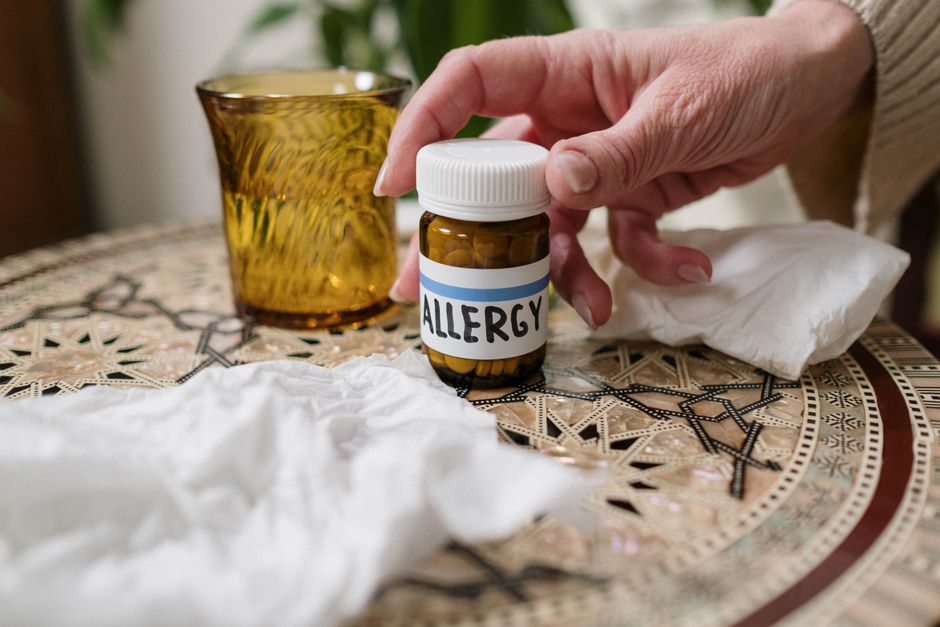
There is no known way to cure allergic rhinitis permanently at home. Allergic rhinitis is a chronic immune condition, and no home remedy removes the underlying sensitivity. What home strategies can do is reduce your exposure to triggers and ease symptoms enough that the condition stops running your day.
That distinction matters. A lot of content online promises a permanent fix. The honest position is that allergic rhinitis is managed, not cured. If you understand why your body reacts the way it does, the steps that actually help become clearer.
What Actually Happens in Your Body During an Allergic Reaction?
Allergic rhinitis is an immune response, not a weakness or a passing annoyance. When you breathe in something your immune system has flagged as a threat, it treats that harmless particle like an invader.
The first time you encounter an allergen like pollen or dust mite protein, your immune system may produce specific antibodies called immunoglobulin E, or IgE. This is called sensitization. You may not feel anything during this stage. The antibodies attach to specialized cells in your nasal lining called mast cells, essentially arming them.
The next time that same allergen enters your nose, it binds to those armed mast cells and triggers them to release chemicals. The main one is histamine. Histamine causes blood vessels to widen and leak fluid, which produces the classic symptoms: sneezing, a runny nose, congestion, and itching. Other immune cells then move in and continue the inflammation, which is why symptoms can last for hours after exposure.
This is why antihistamines help. They block histamine from docking onto its receptors. It is also why they do not cure anything. The immune system still remembers the allergen and will react again on the next exposure. The sensitivity itself does not go away on its own for most people.
Can Allergic Rhinitis Go Away Permanently on Its Own?
For some people, symptoms do change over time. But “go away” and “cured” are not the same thing.
Some children with allergic rhinitis see symptoms improve or disappear as they get older. Some adults notice their reactions shift too, sometimes getting milder and sometimes getting worse. Moving to a new climate can reduce symptoms if the new environment lacks your specific triggers, but that is avoidance, not a cure. If you return to the original environment, symptoms typically return.
There is also a well-documented pattern called the allergic march, where allergic conditions can evolve over a person’s life. Someone with eczema as a child may develop allergic rhinitis later, and allergic rhinitis can be associated with asthma in some people. This does not mean one causes the other in every case, but the conditions often travel together.
What this means practically: expecting a permanent home cure sets you up to be disappointed and to spend money on products that cannot deliver. Expecting good control is realistic and achievable.
How To Cure Allergic Rhinitis Permanently At Home: What Works and What Does Not
No home method cures allergic rhinitis permanently. But several home measures reliably reduce symptoms, and they work best when combined.
The single most effective home strategy is reducing exposure to your specific allergens. This is called avoidance, and it is the foundation everything else builds on. It is not exciting, and it does not sell products, which is probably why it gets less attention than it deserves.
For indoor allergens like dust mites and pet dander:
- Use allergen-proof covers on mattresses and pillows.
- Wash bedding in hot water regularly to reduce dust mites.
- Keep indoor humidity moderate, since dust mites thrive in damp air.
- Use a vacuum with a high-efficiency filter and wear a mask while cleaning.
- Keep pets out of the bedroom if pet dander is a trigger.
For outdoor allergens like pollen:
- Check pollen counts and limit outdoor time when counts are high.
- Keep windows closed during peak pollen season and use air conditioning.
- Shower and change clothes after being outdoors to remove pollen.
- Dry laundry indoors rather than outside during high-pollen periods.
Nasal saline rinses are another home measure with reasonable support. Rinsing with saltwater can flush allergens and irritants out of the nasal passages and reduce congestion. Use distilled, sterile, or previously boiled and cooled water. Never use straight tap water in a nasal rinse. This is a genuine safety issue, not a formality, because tap water can carry organisms that are dangerous when introduced into the nasal passages.
A high-efficiency particulate air filter, often called a HEPA filter, can reduce airborne particles in a room. The evidence for symptom improvement is modest and depends heavily on the specific allergen and how well the room is sealed. It is a reasonable addition, not a cure.
What does not work as a permanent cure: herbal supplements marketed as allergy cures, “immune-boosting” products, and detox regimens. No clinical evidence confirms these eliminate allergic rhinitis. Some herbal products also interact with medications, so they are not automatically harmless.




Which Medications Help and Which Do Not Cure?
Medications control symptoms. None of them cure the underlying condition. Understanding what each type does helps you use them well and avoid expecting more than they can give.
Antihistamines block histamine and work best for sneezing, itching, and runny nose. They are less effective for congestion. Second-generation antihistamines are generally less sedating than older ones.
Intranasal corticosteroid sprays reduce inflammation in the nasal lining and are widely considered the most effective single medication for allergic rhinitis, including congestion. They take time to work, often days to a couple of weeks, so people who stop after two days miss the benefit. Some clinicians recommend starting them before allergy season for people with predictable seasonal symptoms.
Decongestant sprays shrink swollen nasal tissue quickly, but using them for more than a few days in a row can cause rebound congestion, where the nose becomes more blocked when the spray wears off. This is a real risk and a common trap. Oral decongestants avoid rebound but can raise blood pressure and cause other side effects, so they are not appropriate for everyone.
Leukotriene receptor antagonists are a prescription option that some clinicians use, particularly when allergic rhinitis occurs alongside asthma. The evidence for them in allergic rhinitis alone is generally considered weaker than for nasal steroid sprays.
If you are pregnant, breastfeeding, or managing allergic rhinitis in a child, medication choices are different. Some options are preferred and others avoided. This is a situation to discuss with a clinician rather than decide from a general article, because the right choice depends on your specific circumstances.
Can Allergy Shots or Tablets Reduce Allergic Rhinitis Long Term?
Allergen immunotherapy is the closest thing medicine has to changing the underlying allergic response. It is not a home remedy, and it is not a cure, but it can produce lasting improvement.
Immunotherapy works by exposing you to gradually increasing amounts of your specific allergen, either through shots or under-the-tongue tablets. Over time, the immune system becomes less reactive to that allergen. This is called desensitization.
Research indicates that immunotherapy can reduce symptoms and medication needs for many people with allergic rhinitis, and some people maintain improvement for years after stopping treatment. It does not work for everyone, it takes months to show benefit, and it requires a prescription and medical supervision. Sublingual tablets are taken at home, but they are still prescribed and monitored. Shots are given in a clinical setting.
One important limit: immunotherapy is allergen-specific. It targets the allergens in your prescription. If you are allergic to several things, the treatment may not cover all of them.
When Home Management Is Not Enough
Home measures and over-the-counter medications manage allergic rhinitis well for many people. But some situations call for a clinician’s help.
See a clinician if symptoms are not controlled after consistent use of appropriate treatment, if you have trouble breathing or wheezing, if symptoms interfere with sleep or daily function, or if you are unsure what you are actually allergic to. Allergy testing can identify your specific triggers, which makes avoidance far more targeted and effective.
It is also worth ruling out other conditions that can look like allergic rhinitis. Non-allergic rhinitis, sinus problems, and structural issues in the nose can produce similar symptoms without an allergic cause. Treating those as allergies wastes time and money.
One clarification worth knowing: allergic rhinitis is not a sign of a weak immune system. It is an overreaction by a normal immune system to something harmless. That is why “boosting immunity” is the wrong goal, and why products sold on that promise miss the actual mechanism.
Frequently Asked Questions
Can allergic rhinitis be cured permanently?
No, allergic rhinitis cannot be cured permanently with home remedies or any currently available treatment. It is a chronic immune condition that can be managed effectively, and allergen immunotherapy can produce lasting improvement for some people.
What is the fastest way to stop an allergic rhinitis attack at home?
Rinsing your nose with saline and taking an antihistamine are common steps to reduce symptoms quickly. Saline rinses must use distilled, sterile, or boiled and cooled water, never straight tap water.
Do nasal steroid sprays cure allergic rhinitis or just treat symptoms?
They treat symptoms by reducing nasal inflammation, and they are widely considered the most effective single medication for allergic rhinitis. They do not cure the underlying condition and can take days to weeks to work fully.
Can changing my diet cure allergic rhinitis?
No clinical evidence confirms that any diet eliminates allergic rhinitis. Food avoidance or elimination diets are not established treatments for this condition unless a separate food allergy has been diagnosed.
