
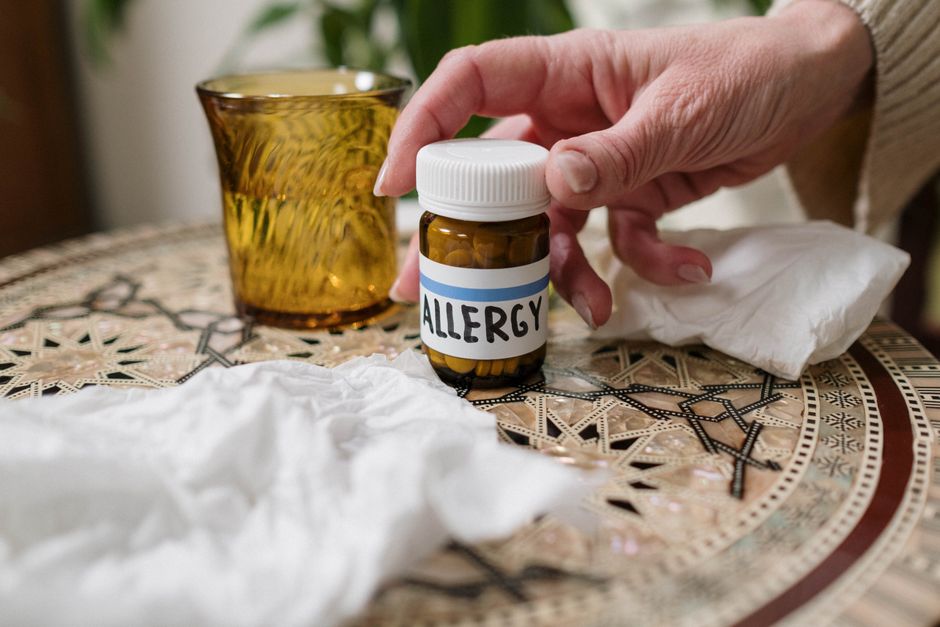
If your eyes are red, itchy, and watery, you likely have allergic conjunctivitis. The short answer on how to cure it is this: you cannot cure it permanently, but you can stop symptoms fast with the right eye drops, antihistamines, and avoidance strategies. Most people find relief within minutes to hours using over-the-counter options. Prescription treatments work for stubborn cases. The key is matching the treatment to your specific trigger and symptom severity.
What Exactly Is Allergic Conjunctivitis and What Causes It?
Allergic conjunctivitis happens when your immune system overreacts to a harmless substance. Pollen, pet dander, dust mites, and mold are the most common triggers. Your body releases histamine and other chemicals. This causes blood vessels in the whites of your eyes to swell and leak fluid.
The result is redness, itching, burning, and tearing. You might also feel like something is stuck in your eye. Unlike pink eye from a virus or bacteria, allergic conjunctivitis is not contagious. It affects both eyes almost always at the same time. The American Academy of Ophthalmology states that seasonal allergic conjunctivitis is the most common form and peaks during high pollen seasons.
Perennial allergic conjunctivitis lasts year-round. It is usually triggered by indoor allergens like dust mites or pet dander. A less common form called vernal keratoconjunctivitis affects mostly boys and young men and can be more serious. But for most adults, the condition is annoying but not dangerous.
How To Cure Allergic Conjunctivitis: What Actually Works for Immediate Relief?
The fastest way to stop itching and redness is with antihistamine eye drops. Ketotifen fumarate is the active ingredient in many over-the-counter brands. Research published in the Journal of Allergy and Clinical Immunology shows that ketotifen starts working within minutes and lasts up to 12 hours. It blocks histamine and prevents further allergic reactions.
Another effective option is olopatadine hydrochloride. This was originally prescription-only but is now available over the counter in many stores. It works similarly to ketotifen but some studies suggest it provides slightly longer relief. Both are safe for daily use during allergy season.
Artificial tears help too. They flush allergens off the surface of your eye. Use preservative-free single-dose vials if you need them more than four times a day. Cold compresses reduce swelling and numb the itch. Simply soak a clean cloth in cold water, wring it out, and place it over closed eyes for ten minutes.
What Allergy Medications Work Best for Eye Symptoms?
Oral antihistamines like loratadine, cetirizine, and fexofenadine help with systemic allergy symptoms. But they are not always the best choice for eye symptoms alone. A study in the journal Ophthalmology found that topical antihistamine drops work faster and more effectively for eye symptoms than oral antihistamines.
Oral antihistamines can also dry out your eyes. This makes the burning and irritation worse for some people. If your eyes feel dry along with being itchy, stick with eye drops rather than pills. If you have nasal allergies too, a combination approach works better. Use an oral antihistamine for sneezing and runny nose, and eye drops for the eyes.
Mast cell stabilizers like cromolyn sodium prevent allergic reactions before they start. They do not help with active symptoms. Doctors prescribe them as a preventive treatment before allergy season begins. They take one to two weeks to become effective.



How Does Avoiding Triggers Compare to Using Medication?
Avoidance is the most effective long-term strategy. But it is not always practical. You cannot avoid pollen entirely if you live in a region with long allergy seasons. The CDC reports that over 50 million Americans experience allergies each year. Many cannot stay indoors for months at a time.
That said, simple changes make a real difference. Keep windows closed during high pollen counts. Use air conditioning with a HEPA filter. Shower and change clothes after being outside. Wear wraparound sunglasses to block pollen from reaching your eyes. Wash your bedding weekly in hot water to kill dust mites.
For pet allergies, keep pets out of the bedroom. Use a high-efficiency vacuum cleaner with a HEPA filter. Hardwood floors trap less dander than carpet. These steps reduce your total allergen exposure. When combined with medication, most people get good control.
What Treatments Should You Avoid for Allergic Conjunctivitis?
Do not use eye drops labeled for “redness relief” that contain vasoconstrictors like tetrahydrozoline. These shrink blood vessels and whiten eyes temporarily. But they cause rebound redness when you stop using them. Regular use can make your eyes dependent on the drops and actually worsen redness over time.
Steroid eye drops are effective but carry serious risks. They can increase eye pressure, leading to glaucoma. They also raise the risk of cataracts and eye infections. Only an eye doctor should prescribe and monitor steroid drops. Never use leftover steroid drops from a previous prescription.
Some people try natural remedies like honey drops or breast milk. As of 2026, there is no clinical evidence that these treat allergic conjunctivitis. They can introduce bacteria into your eye and cause infection. Stick with products tested for safety and effectiveness.
When Should You See a Doctor for Allergic Conjunctivitis?
See an eye doctor if over-the-counter treatments do not work after two weeks. Also seek medical help if you have severe eye pain, vision changes, or sensitivity to light. These could signal a more serious condition like corneal inflammation or infection.
Doctors can prescribe stronger antihistamine drops like bepotastine or epinastine. They may also recommend immunotherapy. Allergy shots or sublingual tablets gradually desensitize your immune system to specific triggers. The American College of Allergy, Asthma, and Immunology states that immunotherapy is the only treatment that actually changes your allergic response rather than just managing symptoms.
Immunotherapy takes three to five years for full effect. It is not a quick fix. But for people with severe allergic conjunctivitis who do not respond to drops, it can be life-changing. Your allergist will test you for specific triggers first.
Comparison of Common Treatments for Allergic Conjunctivitis
| Treatment | Onset of Action | Duration of Relief | Prescription Needed |
|---|---|---|---|
| Ketotifen eye drops | Minutes | Up to 12 hours | No |
| Olopatadine eye drops | Minutes | Up to 16 hours | No (OTC available) |
| Oral antihistamines | 1-2 hours | 24 hours | No |
| Mast cell stabilizers | 1-2 weeks | Preventive only | Yes |
| Immunotherapy | 3-6 months | Years | Yes |
Common Misconceptions About Allergic Conjunctivitis
Many people believe that rubbing their eyes helps. It does not. Rubbing releases more histamine from mast cells in your eyelids. This makes the itching worse. It can also damage the cornea over time.
Another myth is that you can build immunity to allergens. You cannot. Allergic reactions often worsen with repeated exposure. This is called priming. Your immune system becomes more sensitive, not less, the more it encounters the allergen.
Some think that contact lenses protect their eyes from allergens. The opposite is true. Contacts trap allergens against the surface of your eye. They also absorb pollen and dust. Switch to glasses during allergy season. If you must wear contacts, use daily disposables and wash your hands thoroughly before inserting them.
Frequently Asked Questions
Can allergic conjunctivitis go away on its own?
Yes, it usually clears up once you remove the allergen trigger. Without treatment, symptoms can last for several days or weeks if exposure continues.
Are antibiotic eye drops effective for allergic conjunctivitis?
No, antibiotic drops treat bacterial infections only. They have no effect on allergic reactions and can actually irritate your eyes further.
How long does it take for allergy eye drops to work?
Most antihistamine eye drops start working within 5 to 15 minutes. Full symptom relief typically occurs within 30 minutes to one hour.
Can I use allergy eye drops every day?
Yes, most over-the-counter antihistamine drops are safe for daily use during allergy season. Follow the package instructions and do not exceed the recommended dose.
