
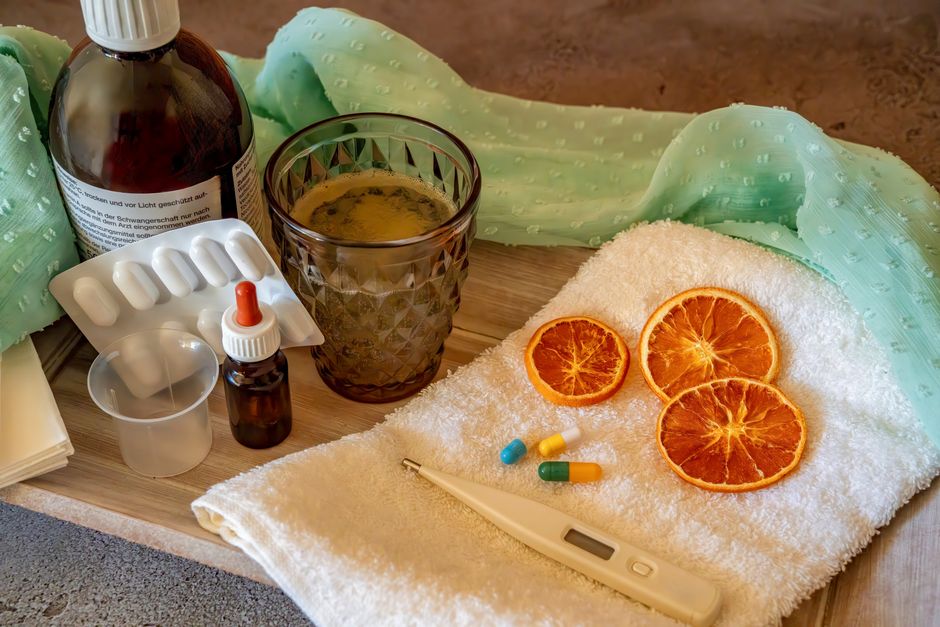
A sore throat is one of the most common reasons people see a doctor, and it is usually caused by a viral infection that will improve on its own within about a week. There is no instant cure, but several measures can ease pain quickly: warm saltwater gargles, drinking warm liquids, using throat lozenges, and taking over-the-counter pain relievers like acetaminophen or ibuprofen. Most sore throats do not need antibiotics because they are viral, not bacterial.
What you can do is manage the pain and discomfort while your body clears the infection. The steps below focus on what actually helps, what the evidence supports, and when a sore throat needs medical attention.
What Actually Causes a Sore Throat?
Most sore throats come from viral infections. The common cold viruses, influenza, and coronaviruses are frequent culprits. These infections inflame the pharynx and tonsils, which produces the raw, scratchy pain you feel when swallowing.
Bacterial infections cause a smaller share. Group A streptococcus — the bacteria behind strep throat — is the most common bacterial cause. Strep throat is more likely when you have a sudden severe sore throat, fever, swollen tonsils with white patches, and no cough. A cough and runny nose point more toward a viral cause.
Other triggers include dry air, especially in winter or when sleeping with your mouth open. Acid reflux can irritate the throat, particularly in the morning. Allergies cause postnasal drip that scratches the back of the throat. Smoke, chemical fumes, and shouting can all leave the throat raw.
Knowing the cause matters because it shapes what will help. Antibiotics do nothing for a viral sore throat. They also carry risks — allergic reactions, digestive side effects, and the broader problem of antibiotic resistance.
How To Cure A Sore Throat Asap With Home Remedies
No home remedy eliminates a sore throat instantly, but several reduce pain within minutes and are supported by reasonable evidence or long-standing clinical use.
Saltwater gargle. Mix about half a teaspoon of salt into a glass of warm water and gargle. This is one of the most commonly recommended measures. It can temporarily reduce swelling and soothe pain. The evidence for how well it works is not strong, but it is low-risk and widely used. Do not swallow the solution, and do not give saltwater gargles to young children who may swallow it.
Warm liquids. Tea with honey, warm broth, or warm water with lemon can coat the throat and ease irritation. Honey has some evidence behind it for soothing coughs and throat pain in adults and children over age one. Never give honey to infants under 12 months because of the risk of infant botulism.
Cold liquids and ice. Cold drinks, popsicles, or ice chips can numb the throat and reduce pain. This works especially well for children who resist other remedies.
Humidified air. Dry air makes a sore throat worse. A cool-mist humidifier in your room, or sitting in a steamy bathroom, can keep the throat moist and reduce irritation.
Rest and hydration. Drinking enough fluids keeps the throat moist and supports your body’s immune response. Rest gives your immune system the energy to fight the infection.
Do Over-the-Counter Medications Help?
Yes. Pain relievers are the most reliable way to reduce sore throat pain quickly.
Acetaminophen and ibuprofen both reduce pain and fever. Ibuprofen also reduces inflammation, which may make it more helpful when the throat is visibly swollen. Follow the dosing instructions on the package. Do not exceed the recommended dose of acetaminophen — high doses can damage the liver. Ibuprofen can irritate the stomach and should be used with caution by people with kidney problems, stomach ulcers, or those taking blood thinners.
Throat lozenges and sprays often contain menthol, benzocaine, or phenol. These numb or cool the throat for short periods. They do not treat the underlying cause but can make swallowing less painful. Benzocaine sprays and lozenges have been linked to a rare blood condition called methemoglobinemia, so use them only as directed and not for children under two.
Medicated lozenges containing anti-inflammatory ingredients may reduce swelling. The evidence for these is mixed, and they work best for mild pain.
What about antibiotics? They only help bacterial infections. Even for confirmed strep throat, antibiotics shorten the illness only slightly and mainly serve to prevent rare complications like rheumatic fever. For viral sore throats, antibiotics provide no benefit.





What About Natural Remedies and Sprays?
Some natural remedies have a bit of evidence behind them. Others have none.
Honey is among the better-supported options for soothing a sore throat and calming a cough. A spoonful alone or mixed into warm tea can help.
Zinc lozenges have been studied for shortening colds, and some research suggests they may reduce the duration of cold symptoms if taken within the first day or two. Results vary, and zinc can cause nausea and a metallic taste. It is not proven specifically for sore throat relief.
Vitamin C does not prevent or cure sore throats in most people. The evidence does not support it for treating a sore throat once it has started.
Echinacea, elderberry, and other herbal products are marketed for colds and sore throats. The evidence for these is mixed and generally low quality. No large, well-designed trials confirm they shorten a sore throat or speed recovery.
Some throat sprays contain herbal ingredients like sage or eucalyptus. A few small studies suggest sage spray may reduce throat pain, but the evidence is limited. If you try one and it helps, that is reasonable. Just do not expect it to treat an infection.
When Should You See a Doctor for a Sore Throat?
Most sore throats improve within a week without medical care. Certain signs mean you should get checked.
- Sore throat lasting more than a week
- Difficulty swallowing or breathing
- Drooling or inability to swallow saliva
- Fever above 101°F (38.3°C) that does not improve
- Swelling on one side of the throat
- A muffled or “hot potato” voice
- Rash along with the sore throat
- Blood in saliva or phlegm
- Severe pain that prevents eating or drinking
These can signal a more serious problem. A peritonsillar abscess is a collection of pus behind the tonsil that needs drainage. Epiglottitis is a swelling of the flap that covers the windpipe and can block breathing — this is a medical emergency.
A doctor may swab the throat to check for strep. Rapid strep tests give results in minutes. If positive, antibiotics are usually prescribed. If negative, a throat culture may be sent to confirm.
People with weakened immune systems, those who have had their spleen removed, and those with a history of rheumatic fever should seek care earlier for a sore throat.
How Long Does a Sore Throat Usually Last?
Viral sore throats typically improve within a few days to a week. Strep throat, when treated with antibiotics, usually improves within a day or two of starting medication, though the full course should be completed.
If your sore throat is not improving after a week, or if it gets worse instead of better, see a doctor. A sore throat that lingers for weeks without explanation also deserves evaluation.
What Helps a Sore Throat at Night?
Nighttime can be the worst time for a sore throat. Dry air, mouth breathing, and postnasal drip all make it worse when you lie down.
Use a humidifier in your bedroom. Prop your head up with an extra pillow to reduce postnasal drip. Take a pain reliever before bed if needed. Keep water by your bed and sip if you wake up. A warm drink before sleep can soothe the throat. Avoid alcohol, which dehydrates you and can make throat pain worse.
If allergies or reflux are behind your nighttime sore throat, treating those conditions may help more than treating the throat itself. Reflux-related throat pain often shows up in the morning after stomach acid has had time to irritate the throat overnight.
What Does Not Work for a Sore Throat?
Several popular approaches do not hold up.
Antibiotics for viral sore throats do nothing except add risk. Taking them when they are not needed contributes to antibiotic resistance, which is a serious public health problem.
Gargling with hydrogen peroxide or other harsh chemicals can damage the throat lining. Do not do this.
Very hot drinks can burn an already irritated throat. Warm is better than hot.
Whiskey or other alcohol-based “remedies” do not help. Alcohol dehydrates and irritates tissue.
Vitamin C megadoses do not cure a sore throat. High doses can cause diarrhea and stomach upset.
There is no evidence that colloidal silver, essential oil gargles, or most “immune-boosting” supplements shorten a sore throat. Some can be harmful if swallowed or used incorrectly.
What About Strep Throat Specifically?
Strep throat is a bacterial infection that needs antibiotics. It is most common in children ages 5 to 15, but adults can get it too.
Symptoms include a sudden severe sore throat, fever, red and swollen tonsils, sometimes with white patches, and swollen lymph nodes in the neck. Strep throat typically does not come with a cough or runny nose, which are more typical of viral infections.
If a rapid strep test or throat culture confirms strep, a doctor will prescribe penicillin or amoxicillin, or another antibiotic if you are allergic to penicillin. Completing the full course matters. Untreated strep throat can rarely lead to rheumatic fever, which can damage the heart valves, or to kidney inflammation.
You are usually no longer contagious after 24 hours on antibiotics and without a fever.
Frequently Asked Questions
How can I cure a sore throat fast at home?
Warm saltwater gargles, honey in warm tea, cold liquids, and over-the-counter pain relievers like acetaminophen or ibuprofen can ease pain within minutes. None of these cure the infection itself, but they reduce discomfort while your body heals.
How long does a sore throat usually last?
Most viral sore throats improve within a few days to a week. Strep throat treated with antibiotics usually improves within a day or two, though you should finish the full course.
When should I see a doctor for a sore throat?
See a doctor if your sore throat lasts more than a week, if you have trouble swallowing or breathing, or if you have a high fever that does not improve. These signs may point to a bacterial infection or a more serious condition.
Do antibiotics help a sore throat?
Antibiotics only help if the cause is bacterial, such as strep throat. Most sore throats are viral, and antibiotics provide no benefit for those and carry risks including resistance and side effects.
