
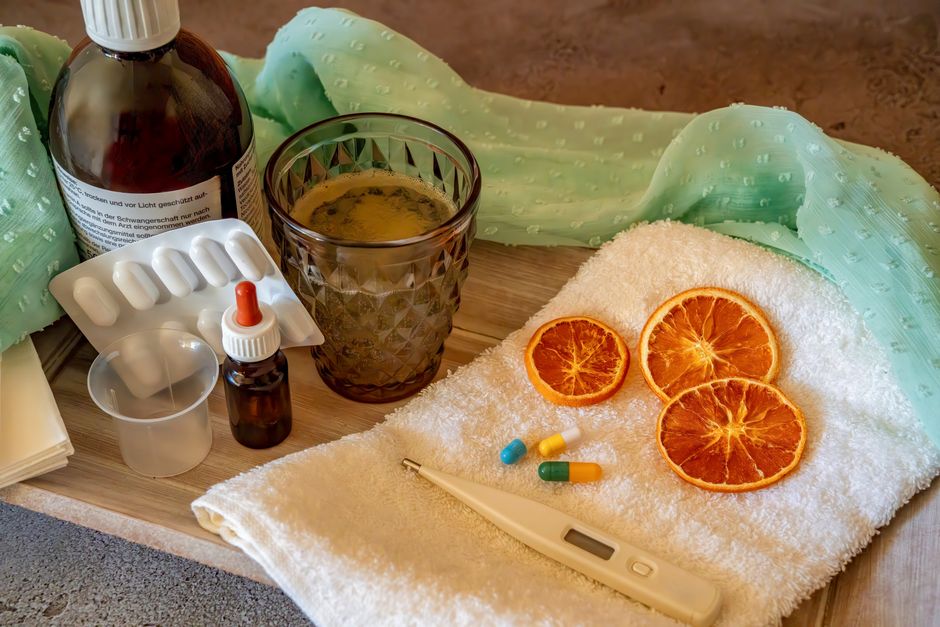
A sore throat that makes swallowing feel like broken glass is one of the most distracting pains there is. The fastest reliable relief usually comes from combining an over-the-counter pain reliever with soothing home care, because most severe sore throats are caused by viral infections that antibiotics cannot touch. Warm saltwater gargles, cold drinks, and honey can calm the tissue while medication lowers the pain signal itself. If breathing or swallowing becomes genuinely difficult, that is a medical emergency and not something to treat at home.
What Actually Causes Severe Throat Pain?
Most severe sore throats come from a viral infection. The common cold viruses, influenza, and other respiratory viruses inflame the pharynx and tonsils, and that inflammation is what your nerves read as pain.
Bacterial infection is a smaller share of cases. Strep throat is the one clinicians watch for, because it is caused by group A Streptococcus bacteria and does respond to antibiotics. A viral and a bacterial sore throat can look almost identical from the outside, which is why testing matters. A rapid strep test or throat culture is the only reliable way to tell them apart.
Other causes produce severe pain less often but are worth knowing about. Tonsillitis, mononucleosis, and epiglottitis can all cause intense throat pain. Epiglottitis is rare but dangerous because it can block the airway.
Two causes deserve special mention because they are easy to miss. A peritonsillar abscess is a collection of pus next to a tonsil that causes pain on one side, a muffled voice, and trouble opening the mouth. It needs drainage. A throat injury from swallowing a sharp object or a chemical burn from a swallowed substance also needs urgent care.
Dry air, smoking, acid reflux, and yelling can irritate the throat too. These usually cause milder pain, but they can make an already sore throat worse.
How To Relieve Severe Throat Pain Fast?
The fastest relief combines two things: a pain reliever that works on the nervous system, and physical measures that calm the inflamed tissue. Neither replaces the other.
Over-the-counter pain relievers are the most reliable option for rapid relief. Ibuprofen and acetaminophen are both effective for throat pain. Ibuprofen is a nonsteroidal anti-inflammatory drug, so it reduces both pain and the inflammation driving it. Acetaminophen reduces pain but not inflammation. Both are sold under many brand names, so read the label to avoid doubling up on the same drug.
Follow the dosing instructions on the package exactly. Do not exceed the maximum daily dose. Acetaminophen in particular can cause liver damage when taken above the recommended amount, and alcohol increases that risk. People with kidney disease, stomach ulcers, or a history of bleeding should talk to a clinician before using ibuprofen.
For children, dosing is based on weight, not age. Never give aspirin to anyone under 19 because of the risk of Reye syndrome, a rare but serious condition. If you are unsure about a dose for a child, call a pharmacist or pediatrician rather than estimating.
For pregnant women, acetaminophen is generally considered the preferred over-the-counter option, but check with a clinician before taking any medication during pregnancy. No clinical guidelines exist for using most sore throat remedies in infants, so ask a pediatrician first.
Physical measures work alongside medication:
- Gargle with warm saltwater. Mix about half a teaspoon of salt in a glass of warm water. This is a traditional remedy with limited formal evidence, but it is low risk and many people find it soothing.
- Drink cold liquids. Cold numbs the tissue slightly and keeps you hydrated. Ice chips, popsicles, and cold water all help.
- Use honey. A spoonful of honey coats the throat and has mild antibacterial properties. Do not give honey to children under 1 year old because of the risk of infant botulism.
- Try throat lozenges or sprays. Many contain menthol or a mild numbing agent like benzocaine. Benzocaine carries a rare but serious risk of a blood condition called methemoglobinemia, so use it sparingly and never in children under 2.
- Run a humidifier. Dry air makes throat pain worse, especially at night.
- Rest your voice. Talking and yelling strain already inflamed tissue.
Prescription options exist for specific causes. If a strep test is positive, antibiotics shorten the illness and reduce the risk of complications. If pain is severe enough, a clinician may prescribe a stronger pain reliever or a short course of a steroid. Steroids can reduce swelling, but they are not appropriate for every case and should only be used under medical supervision.
When Is A Sore Throat An Emergency?
Some throat symptoms mean you need emergency care immediately, not home treatment. The key signs are trouble breathing, trouble swallowing your own saliva, drooling, a muffled or “hot potato” voice, and severe pain on only one side.
Other warning signs include a stiff neck, high fever that will not come down, a rash, or swelling in the neck or face. If you cannot open your mouth fully, that is also a red flag.
These symptoms can point to epiglottitis, a peritonsillar abscess, or another condition that can close off the airway. Do not wait to see if it improves. Call emergency services or go to an emergency department.
For less urgent but persistent problems, see a clinician if your sore throat lasts more than a week, keeps getting worse, or comes with a fever above 101°F (38.3°C). A fever with a sore throat and no other cold symptoms is more likely to be strep and should be tested.
Do Home Remedies For Throat Pain Actually Work?
Some do, and some are mostly comfort. The evidence varies widely, and it is worth knowing which is which.
Honey has the strongest support among home remedies. Research published in the journal BMJ Evidence-Based Medicine found that honey was more effective than usual care for improving upper respiratory tract infection symptoms, including sore throat. It is not a cure, but it is a reasonable option for adults and children over 1 year old.
Saltwater gargles have been used for generations. The formal evidence for them is limited, but they are inexpensive and low risk. Some clinicians recommend them; the evidence does not strongly confirm a specific benefit beyond temporary soothing.
Warm liquids like tea with honey and lemon are soothing and help with hydration. Cold liquids do the same. Neither treats the underlying infection, but both make the throat feel better in the moment.
What does not work: antibiotics for viral sore throats. Antibiotics only help bacterial infections, and taking them when they are not needed contributes to antibiotic resistance. Some clinicians used to recommend them for severe sore throats regardless of cause, but that practice is not supported by current evidence.
Some people try herbal sprays or gargles containing ingredients like echinacea or sage. A few small studies suggest possible benefit, but the evidence is mixed and the studies are generally small. If you try one, treat it as comfort care, not treatment.
What Helps A Sore Throat At Night?
Nighttime is often when throat pain feels worst, partly because dry air and lying flat make it harder to swallow comfortably. A few adjustments can help.
Run a cool-mist humidifier in the bedroom. Dry air pulls moisture from your throat and makes the tissue more irritated. Keep the humidity around 30 to 50 percent if you can measure it.
Take a pain reliever before bed, following the dosing schedule on the package. Do not take a double dose to “get ahead” of the pain.
Sleep with your head slightly elevated. This can reduce postnasal drip, which often worsens throat pain at night. It also helps if acid reflux is part of the problem.
Keep water by the bed. Sipping through the night keeps the throat moist and helps you swallow more comfortably.
Avoid alcohol and caffeine in the evening. Both can dehydrate you and make throat pain worse.
How Long Does A Sore Throat Usually Last?
Most viral sore throats improve within a few days and are largely gone within a week. Strep throat, once treated with antibiotics, usually improves within 24 to 48 hours, though you should finish the full course as prescribed.
Mononucleosis is different. It can cause a sore throat that lasts weeks and comes with extreme fatigue. If your sore throat drags on with heavy tiredness, see a clinician.
If your sore throat lasts more than a week, gets worse instead of better, or returns soon after improving, that is a reason to get checked. It does not always mean something serious, but it means the cause needs a closer look.
Frequently Asked Questions
What is the fastest way to relieve severe throat pain?
Taking an over-the-counter pain reliever like ibuprofen or acetaminophen is usually the fastest way to reduce throat pain, combined with sipping cold liquids or warm tea with honey. Follow the package dosing instructions exactly and do not exceed the maximum daily amount.
Does gargling saltwater actually help a sore throat?
Saltwater gargles are a traditional remedy that many people find soothing, though formal evidence for a specific benefit is limited. They are low risk and inexpensive, so they are reasonable to try alongside other relief measures.
When should I see a doctor for a sore throat?
See a clinician if your sore throat lasts more than a week, keeps getting worse, or comes with a fever above 101°F. Go to an emergency department right away if you have trouble breathing, trouble swallowing saliva, or drooling.
Can I give honey to a child with a sore throat?
Honey can be given to children over 1 year old to soothe a sore throat, and research suggests it may help with upper respiratory symptoms. Never give honey to a child under 1 year old because of the risk of infant botulism.
