
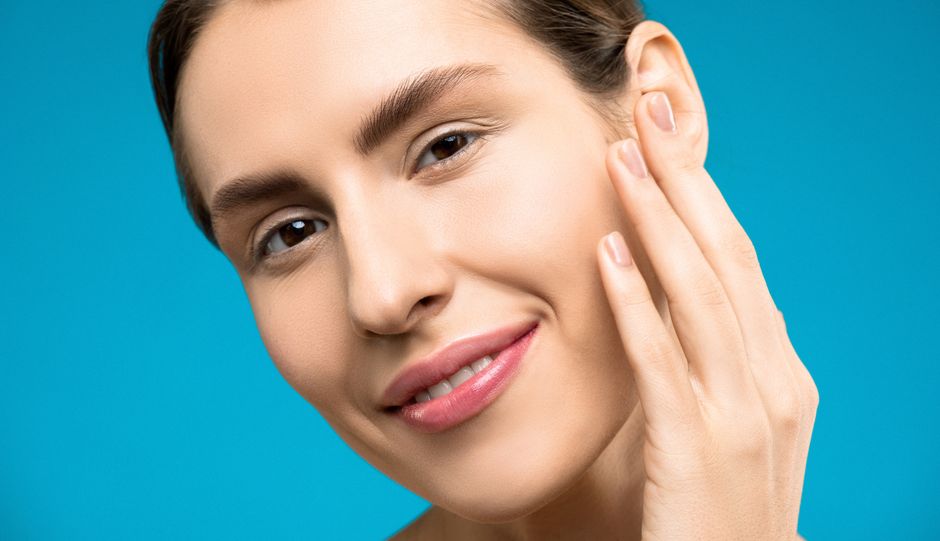
Dimples are small indentations in the cheeks that appear when some people smile. They are caused by a variation in the zygomaticus major muscle, which splits into two bundles instead of one. This creates a visible dimple when the muscle pulls the skin. While dimples are genetic, there is no safe or reliable way to create them through exercise, makeup, or at-home devices. Some surgical procedures exist, but they carry real risks and results are not guaranteed. This guide explains what the evidence actually says about creating dimples.
What Causes Dimples in the First Place?
Dimples are a genetic trait. The zygomaticus major muscle, which runs from your cheekbone to the corner of your mouth, has a split in some people. Instead of one flat band of muscle, there are two separate bundles. When you smile, the skin gets pulled inward between these two bundles. That creates the small indent.
The CDC does not track dimple prevalence, but research in cosmetic surgery journals estimates that about 20 to 30 percent of people worldwide have them. They are more common in certain populations. Many people see them as attractive, which is why some want to create them artificially.
It is important to understand that dimples are not a muscle you can build. They are an anatomical variation in how your facial muscles attach to your skin. No exercise can change that structure.
Can You Create Dimples Naturally With Exercise?
You cannot create dimples by exercising your face. This is widely claimed on social media and some beauty blogs, but there is no clinical evidence to support it. The idea is that by repeatedly pressing on your cheeks or smiling in a certain way, you can train the muscle to form a dimple. That is not how facial muscles work.
Facial exercises can strengthen muscles and improve skin tone. Some studies suggest they may help with facial appearance as people age. But they cannot change the underlying structure of a muscle that is already formed. The zygomaticus major either has a split or it does not. Exercise cannot create one.
Some people report that pressing a pencil or other object into their cheek for weeks created a permanent indent. This is not a dimple. It is a pressure sore or scar tissue forming. Scar tissue is not the same as a naturally occurring dimple. It can be uneven, painful, and permanent in a way you may not want.
Does Dimple Surgery Actually Work?
Dimpleplasty is the medical name for dimple creation surgery. It is a real procedure performed by plastic surgeons. The surgeon makes a small incision inside the cheek, removes a tiny piece of tissue, and stitches the skin to the underlying muscle. When you smile, the stitch pulls the skin inward.
Research published in the Journal of Craniofacial Surgery reports that dimpleplasty has a high satisfaction rate among people who choose it. Most patients report being happy with the result. However, the same studies also report complications. Scarring inside the cheek, infection, and asymmetry are the most common issues.
There is a bigger problem that many people do not realize. The dimple created by surgery may not look natural. It often appears at rest, even when you are not smiling. Natural dimples only appear with certain facial movements. A surgical dimple can look like a permanent dent in the cheek when your face is relaxed.





What Are the Risks of Dimple Creation Procedures?
Dimpleplasty is minor surgery, but it still carries risks. The most common side effects include swelling, bruising, and pain for several days after the procedure. More serious complications are less common but possible.
| Risk | How Common | What It Means |
|---|---|---|
| Infection | Rare when done by a qualified surgeon | Requires antibiotics or drainage |
| Asymmetry | Reported in about 5-10% of cases | Dimples may not match on both sides |
| Visible scar at rest | Common in early weeks, may persist | Dimple shows even when not smiling |
| Nerve damage | Very rare | Can affect smile or facial movement |
| Dimple disappears | Reported in some cases | Stitches dissolve or tissue heals flat |
Some people report that their dimple fades over time. This happens when the body heals the internal stitch and the skin no longer pulls inward. If that happens, the surgery failed and you would need a second procedure. There is no guarantee the second attempt will work either.
The American Society of Plastic Surgeons does not have an official position on dimpleplasty because it is considered a cosmetic procedure with limited data. Most of the evidence comes from small studies in Asia, where the procedure is more popular.
What About Makeup and Temporary Methods?
Makeup is the only truly safe way to create the appearance of dimples. You can use a small amount of dark eyeshadow or a brow pencil to draw a small dot where you want the dimple to appear. Then blend it slightly so it looks like a shadow. This is temporary and washes off.
Some people use dimple piercings. A small barbell is placed through the cheek, and the jewelry creates a visible indent. This is a real piercing, but it carries risks including infection, scarring, and damage to teeth or gums. The jewelry can also snag on clothing or bedding.
There are also dimple cups and suction devices sold online. These create a vacuum on the cheek that pulls the skin inward. Some people report that using them for weeks creates a temporary indent. This is not a dimple. It is swelling and tissue damage from the suction. Prolonged use can cause bruising, broken capillaries, and even skin necrosis, which is tissue death.
- Makeup — Safe, temporary, no risks
- Piercing — Moderate risk, may cause scarring or dental damage
- Suction devices — Not recommended, risk of tissue damage
- Pencil or object pressing — Can cause scar tissue, not a real dimple
How To Create Dimples Safely: What Actually Works
If you want dimples, the only evidence-based approach is surgery performed by a board-certified plastic surgeon. That is the only method that has any clinical data showing it can create a lasting result. Even then, the result is not guaranteed and the risks are real.
Before considering surgery, ask yourself why you want dimples. Many people find them attractive, but they are not a sign of health or youth. They are simply a genetic variation. If you are doing it because you think it will change how others see you, that expectation may not be met.
If you decide to proceed with surgery, here are the practical steps:
- Consult with a board-certified plastic surgeon who has performed dimpleplasty before
- Ask to see before and after photos of their actual patients
- Discuss the specific location and size you want
- Understand that the dimple may show when you are not smiling
- Accept that the result may fade or change over time
The procedure itself takes about 30 minutes under local anesthesia. Recovery is usually a few days of swelling and mild pain. Most people return to normal activities within a week. Full healing takes several months, and the final appearance may not be clear until then.
Common Misconceptions About Creating Dimples
The most persistent myth is that you can create dimples by smiling a certain way or using facial exercises. This is not supported by any research. Muscles do not change their attachment points through use. If they did, everyone who smiles a lot would have dimples, and that is not the case.
Another misconception is that dimple surgery is simple and risk-free. It is minor surgery, but it is still surgery. You are having a cut made inside your mouth, tissue removed, and stitches placed. Infection and scarring are real possibilities. Some clinics advertise it as a lunchtime procedure with no downtime. That is misleading.
Some people believe that dimples created by surgery look exactly like natural dimples. They often do not. Natural dimples appear only with certain expressions. Surgical dimples often remain visible at rest, especially in the first few months. Over time they may soften, but they rarely look identical to natural ones.
As of 2026, there is no clinical evidence that any cream, device, or exercise can create permanent dimples. If a product claims to do this, it is almost certainly not telling the truth.
Frequently Asked Questions
Can you get dimples naturally without surgery?
No. Dimples are genetic and cannot be created naturally through exercise or any other method. Surgery is the only option with any evidence behind it.
How much does dimple creation surgery cost?
Costs vary widely but typically range from $1,500 to $5,000 depending on the surgeon and location. This does not include follow-up care if complications occur.
Do dimple piercings create permanent dimples?
Sometimes, but not reliably. The piercing can leave a scar that looks like a dimple after the jewelry is removed, but this is scar tissue, not a true dimple.
Is dimpleplasty painful?
Most people report mild to moderate pain for a few days after the procedure. Local anesthesia is used during surgery so you will not feel the cutting.
