
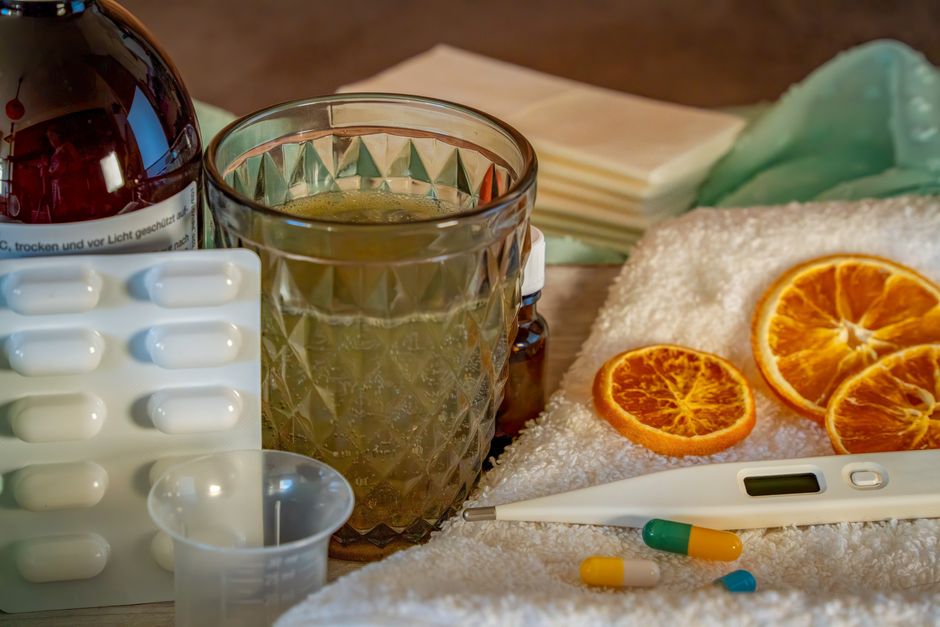
A cold can drain your energy, stuff your head, and kill your appetite. But what you eat during those few miserable days can genuinely affect how you feel. The short answer: warm fluids, bland carbohydrates, and nutrient-rich foods that are easy on your stomach. Broth-based soups, plain toast, bananas, and ginger tea are solid choices. Dairy is fine for most people despite what you may have heard. The goal is to stay hydrated, keep some energy coming in, and avoid foods that make inflammation or nausea worse.
What To Eat When Sick With Cold: The Core Principles
Your body is fighting a viral infection. That takes energy, fluids, and basic nutrients. When you have a cold, your immune system ramps up, your temperature may rise slightly, and your mucus membranes work overtime. Food provides the fuel for that response.
Three things matter most: hydration, easy digestion, and avoiding irritation. Fluids thin mucus and keep your throat from drying out. Bland foods reduce the chance of nausea or stomach upset. And avoiding alcohol, spicy foods, and heavy greasy meals keeps your body focused on fighting the virus rather than digesting a heavy load.
You do not need to force yourself to eat large meals. Small portions throughout the day work better than three big ones. If your appetite is gone, focus on liquids first. Broth, tea, and water count as intake. Once you can tolerate liquids, add soft solids like crackers, toast, or applesauce.
Why Chicken Soup Actually Helps
Chicken soup is not just comfort food. Research has looked at this directly. Studies have found that chicken soup can reduce the activity of neutrophils, a type of white blood cell involved in the inflammatory response. Less inflammation in the upper airways means less congestion and a milder feeling of illness.
The warm broth also does something simple and mechanical. It hydrates you, and the steam helps loosen nasal mucus. The salt in the broth helps replace electrolytes lost through sweating or a runny nose. Chicken provides protein, and vegetables add vitamins and minerals.
You do not need a fancy recipe. Canned soup works nearly as well as homemade for hydration and warmth. The key is that it is warm, salty, and easy to eat. If you can tolerate it, add rice or noodles for extra calories.
Hydration: The Most Important Thing You Consume
Dehydration makes every cold symptom worse. When you are dehydrated, mucus thickens, your throat gets scratchier, and headaches become more likely. Your body also needs water to keep your immune system functioning properly.
Water is the baseline. Warm water with lemon and honey is a common choice because the honey coats the throat and the warmth is soothing. Herbal teas like chamomile, peppermint, or ginger are also good. They provide hydration and can ease nausea or congestion.
Sports drinks and oral rehydration solutions can help if you have been sweating or have had diarrhea. But for a typical cold, plain water and tea are enough. Avoid caffeinated drinks in the evening since they can interfere with sleep, and sleep is one of your best recovery tools.
One rule of thumb: if your urine is dark yellow, you are not drinking enough. Aim for pale yellow or clear. That is a simple, practical way to monitor hydration without counting ounces.



Foods That Soothe a Sore Throat
A sore throat makes eating painful. Cold foods can numb the pain temporarily. Ice cream, frozen yogurt, and cold pudding are options if you can tolerate dairy. The cold temperature acts as a mild anesthetic on irritated throat tissues.
Warm liquids are the other side of the coin. Tea with honey, warm broth, and warm water with lemon all coat the throat and provide relief. Honey has mild antimicrobial properties and is a recognized home remedy for cough and sore throat. Do not give honey to infants under one year due to botulism risk, but it is safe for older children and adults.
Soft foods that require little chewing are your friends. Mashed potatoes, oatmeal, scrambled eggs, and yogurt all go down easily. Avoid rough, scratchy foods like toast with hard crusts, chips, or raw vegetables. Acidic foods like citrus fruits and tomato-based dishes can sting an already irritated throat.
Foods To Avoid When You Have a Cold
Some foods genuinely make cold symptoms worse. Dairy is often blamed, but the evidence does not support that. Dairy can thicken mucus in some people, making it feel worse, but it does not increase mucus production. If dairy makes you feel more congested, skip it. If not, there is no reason to avoid it.
Alcohol is a clear no. It dehydrates you, impairs immune function, and can disrupt sleep. Even one drink while sick is counterproductive. Save the wine or beer until you are recovered.
Spicy foods are a mixed bag. They can clear your sinuses temporarily, but they can also irritate an already inflamed throat and trigger stomach upset. If you tolerate spice well, a little heat may help. If not, skip it.
Fried and greasy foods are hard to digest and can cause nausea. Sugary foods spike your blood sugar and then crash it, which can leave you feeling worse. Ultra-processed snacks provide empty calories without useful nutrients. None of these will make your cold last longer, but they will not help you feel better either.
Does Vitamin C or Zinc Shorten a Cold?
Vitamin C is one of the most studied treatments for colds. Research consistently shows that taking vitamin C regularly — not just when you get sick — may slightly shorten a cold’s duration. Taking it after symptoms start has minimal benefit. The effect is modest, about one day shorter on average, and it is not guaranteed.
Zinc has better evidence for reducing cold duration when started within 24 hours of symptom onset. Zinc lozenges taken every few hours may shorten a cold by a couple of days. The catch is that zinc lozenges taste unpleasant and can cause nausea. Do not take zinc long-term, as high doses interfere with copper absorption.
Neither vitamin C nor zinc will prevent a cold. They are modest symptom-modifiers at best. You can try them, but they are not a substitute for fluids, rest, and basic nutrition.
When To See a Doctor
Most colds resolve on their own within 7 to 10 days. You do not need a doctor for a typical cold. But some symptoms warrant medical attention.
See a doctor if you have a fever above 103°F, if a fever lasts more than three days, or if symptoms last longer than 10 days without improvement. Difficulty breathing, chest pain, severe headache, or confusion are red flags. So is coughing up blood or thick green mucus accompanied by a fever.
If you have a chronic condition like asthma, COPD, or a weakened immune system, check with your doctor earlier. Colds can turn into secondary infections like bronchitis or pneumonia in these populations. Trust your instincts. If you feel genuinely worse rather than better after a week, get evaluated.
Frequently Asked Questions
Is it better to eat or fast when sick with a cold?
Eat small amounts if you can tolerate food. Your immune system needs energy, but large meals can be hard to digest when you are sick.
Can I drink milk when I have a cold?
Yes, unless it makes you feel more congested. Dairy does not increase mucus production, though some people notice a thicker feeling after consuming it.
Does eating spicy food help clear a cold?
Spicy food can temporarily clear nasal passages, but it can also irritate a sore throat. Use it only if you tolerate it well.
How much water should I drink with a cold?
Drink enough that your urine stays pale yellow or clear. This usually means several glasses throughout the day, but needs vary by body size and activity level.
