

Yes, you can eat bacon on the Mediterranean diet, but it comes with important limits. The Mediterranean diet is a pattern of eating, not a strict rulebook. It prioritizes plant foods, whole grains, and healthy fats like olive oil. It does not ban any single food entirely. However, bacon is processed red meat. The diet’s core guidance is to eat this type of meat rarely and in small amounts.
What Does the Mediterranean Diet Actually Say About Meat?
The traditional Mediterranean diet is built around vegetables, fruits, legumes, nuts, seeds, and whole grains. Fish and seafood appear regularly. Poultry, eggs, and dairy appear in moderate amounts. Red meat and processed meats appear occasionally — think a few times per month, not per week.
This is not a modern reinterpretation. Studies of eating patterns in places like Greece and southern Italy in the mid-20th century show that meat was a luxury. Most meals were plant-based. Meat was used as a flavoring or a small side dish, not the center of the plate.
Bacon fits into this pattern only if you treat it as an occasional flavoring. A few crumbles over vegetables or beans can add taste without dominating the meal. Eating bacon daily, or even weekly, moves you away from the pattern that gives the diet its health benefits.
Why Bacon Is Different From Other Meats
Bacon is processed meat. That means it has been salted, cured, smoked, or otherwise preserved. The World Health Organization’s cancer research agency classifies processed meat as a Group 1 carcinogen. This classification is based on evidence linking processed meat consumption to colorectal cancer.
This does not mean eating bacon causes cancer the way smoking does. The risk is dose-dependent. Higher intake over time increases risk. Occasional small amounts carry much lower risk. But the evidence is consistent enough that public health guidance generally recommends limiting processed meat.
Bacon also contains high amounts of sodium and saturated fat. A typical serving of two slices has roughly 300-400 milligrams of sodium. That is about 15% of the daily recommended limit for most adults. Saturated fat content varies by brand and cut, but bacon is not a lean protein.
How to Include Bacon Without Breaking the Diet
If you enjoy bacon, you do not have to give it up completely. The key is portion control and frequency. Think of bacon as a condiment, not a main dish.
Use it to add flavor to vegetable-heavy meals. A small amount of crumbled bacon can make Brussels sprouts, green beans, or a lentil soup more satisfying. This approach keeps the meal plant-forward while allowing the taste you want.
Choose quality over quantity. Some brands offer uncured bacon with fewer additives. These products still count as processed meat, but they may have a cleaner ingredient list. Look for lower-sodium options if blood pressure is a concern.
Balance is the real test. If you eat bacon one day, make sure your other meals that week are rich in vegetables, legumes, and fish. The Mediterranean diet is about overall patterns, not single meals.
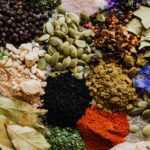




Healthier Alternatives to Bacon
Several foods can provide a similar savory, salty flavor with a better nutritional profile. These are worth trying if you want to reduce processed meat intake.
- Turkey bacon: Lower in saturated fat and calories than pork bacon, but still processed. Read labels carefully — sodium can be high.
- Smoked salmon: Provides the salty, smoky flavor with omega-3 fatty acids. Not a direct substitute in cooking, but great in breakfast dishes.
- Mushrooms: When roasted or pan-fried, mushrooms develop a meaty, savory flavor. They absorb seasoning well and add umami to dishes.
- Olive oil and smoked paprika: This combination can deliver smoky depth to vegetables and legumes without any meat.
- Nutritional yeast: Adds a savory, almost cheesy flavor to dishes. It is a good source of B vitamins.
These alternatives do not replicate bacon exactly. They offer a way to shift your palate toward the Mediterranean pattern while keeping meals satisfying.
What the Research Shows About Processed Meat and Health
The evidence linking processed meat to poor health outcomes is substantial. Multiple large observational studies have found associations between higher processed meat intake and increased risk of heart disease, type 2 diabetes, and certain cancers.
Research published in the British Journal of Nutrition found that higher consumption of processed meat was associated with an increased risk of premature death. Other studies have linked processed meat to higher rates of cardiovascular disease. These findings are consistent across different populations and study designs.
Some research suggests that replacing processed meat with plant proteins like legumes or nuts lowers risk. This is the core of the Mediterranean diet. You are not just removing something from your plate. You are adding foods that are actively associated with better health outcomes.
The evidence is not perfect. Observational studies cannot prove cause and effect. People who eat less processed meat may also have other healthy habits. But the pattern is strong enough that major health organizations consistently recommend limiting processed meat intake.
Practical Tips for Mediterranean-Style Bacon Use
If you decide to keep bacon in your diet, use these strategies to keep it aligned with the Mediterranean pattern.
Cook bacon and drain the fat well. Use the rendered fat sparingly if at all. Olive oil remains the primary cooking fat in this diet. Bacon fat is high in saturated fat and does not offer the same health benefits as olive oil.
Pair bacon with vegetables in every meal. A breakfast of eggs, a small amount of bacon, and a large portion of sautéed spinach is more Mediterranean than a bacon-and-toast breakfast. The vegetables provide fiber, vitamins, and volume that balance the meal.
Plan your weekly menu. If you know you will have bacon on Sunday brunch, choose fish and plant-based meals for the rest of the week. This keeps your overall pattern aligned with the diet.
Be honest with yourself about portions. A serving of bacon is about two slices. Many restaurant portions are larger. When eating out, ask for bacon as a side and control the amount yourself.
Can You Eat Bacon On The Mediterranean Diet — The Bottom Line
The Mediterranean diet allows bacon in small amounts, occasionally. It is not a daily food. It is not a weekly staple. It is an occasional flavoring that you enjoy mindfully.
Your overall eating pattern matters more than any single food. A diet rich in vegetables, fruits, legumes, whole grains, and fish will support health even if you include small amounts of bacon now and then. The problem arises when bacon, or any processed meat, becomes a regular part of your meals.
If you have existing health conditions like high blood pressure, heart disease, or diabetes, talk to your doctor about how much processed meat is appropriate for you. Individual health needs vary, and your doctor can give you personalized guidance.
Frequently Asked Questions
Is bacon allowed on the Mediterranean diet?
Yes, but only in small amounts and occasionally. The Mediterranean diet does not ban any food, but it emphasizes processed meats like bacon as rare treats, not regular foods.
How often can you eat bacon on the Mediterranean diet?
Most guidance suggests limiting processed meat to a few times per month. Eating bacon weekly or daily moves you away from the Mediterranean eating pattern.
What is the healthiest way to eat bacon on the Mediterranean diet?
Use small amounts as a flavoring for vegetable dishes rather than as a main protein. Choose lower-sodium options, drain excess fat, and balance it with plant-based meals throughout the week.
Can you eat bacon on the Mediterranean diet if you have high blood pressure?
Bacon is high in sodium, so it may not be appropriate if you are watching your blood pressure. Talk to your doctor about your specific limits for sodium and processed meat.
