
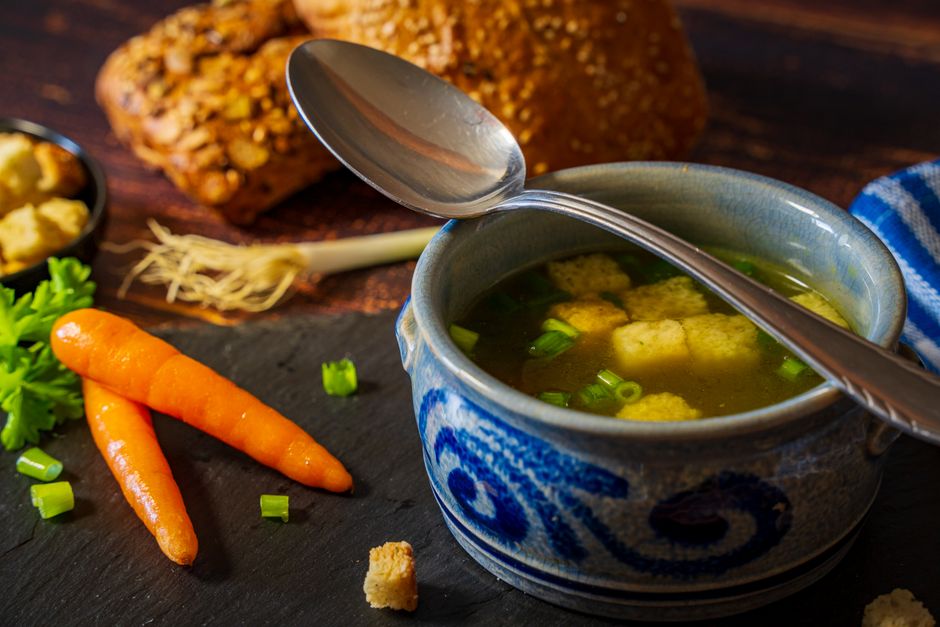
Pho is a Vietnamese noodle soup that people love for its rich, savory broth and fresh toppings. If you are watching your calorie intake, you might wonder how this popular dish fits into your day. A typical bowl of pho contains roughly 350 to 600 calories, but that number depends heavily on the cut of meat, the amount of noodles, and what you add on top. The base broth itself is relatively low in calories, while the noodles and proteins make up the bulk of the energy.
What Determines the Calorie Count in Pho?
The calorie content of pho is not a fixed number. It changes based on the ingredients and portion sizes used by the restaurant or home cook. Understanding each component helps you estimate what is in your bowl.
The broth is typically made by simmering beef bones, onions, ginger, and spices like star anise and cinnamon for many hours. A standard serving of this clear broth contains about 50 to 100 calories per cup. Most of those calories come from a small amount of fat rendered from the bones. The broth is not the main source of calories in the dish.
Rice noodles, called bánh phở, are the biggest contributor. A typical serving of cooked rice noodles weighs about 200 grams, which provides roughly 200 to 250 calories. Some restaurants serve larger portions, which pushes the calorie count higher. Noodles are almost pure carbohydrate, with very little protein or fat.
How Protein Choices Change the Calories
The protein you choose makes a significant difference in the final calorie total. Sliced beef brisket and fatty cuts of beef add more calories than lean chicken breast or shrimp.
Here is a rough breakdown of common pho protein options per serving:
- Lean chicken breast: about 120 to 150 calories per 100 grams
- Shrimp: about 80 to 100 calories per 100 grams
- Beef brisket (lean): about 200 to 250 calories per 100 grams
- Beef meatballs: about 150 to 200 calories per 100 grams
- Fatty beef slices: about 250 to 300 calories per 100 grams
The cooking method matters too. Meat simmered in broth does not absorb extra oil, so the calorie count reflects the meat itself. Fried or sautéed proteins would add more calories, but that is not the traditional preparation for pho.
Toppings and Garnishes Add Hidden Calories
The fresh toppings on pho are mostly very low in calories. Bean sprouts, basil, cilantro, lime wedges, and sliced chili peppers add flavor and crunch without significantly changing the calorie count. A generous handful of bean sprouts adds only about 15 to 20 calories.
The sauces are where calories can sneak in. Hoisin sauce is the biggest concern. It is made with sugar, soybeans, and garlic, and it packs about 60 calories per tablespoon. Sriracha is lower at around 15 calories per tablespoon, but many people use more than they realize. If you add two tablespoons of hoisin sauce, you are adding roughly 120 calories to your bowl.
The broth itself is often served with a side of sliced chilies and lime. These add negligible calories. The main hidden source of calories is the sauce you add at the table, not the broth or the vegetables.




Comparing Pho to Other Soups
Pho sits in the middle range when compared to other popular soups. A cup of clear chicken noodle soup has about 60 to 80 calories. A cup of cream-based soup like clam chowder can exceed 200 calories. Pho is more substantial than a light broth soup but less calorie-dense than creamy or cheesy soups.
The difference is portion size. A typical bowl of pho is much larger than a cup of soup. A full bowl can hold 600 to 800 milliliters of liquid and solids combined. That is roughly three cups. Even at a moderate calorie density, the total adds up simply because of the volume you are eating.
If you are comparing pho to a sandwich or a burger, the calorie count is often similar or lower. A standard fast-food burger with fries easily exceeds 700 calories. A bowl of pho with lean meat and no extra sauce usually stays under 500 calories.
How to Estimate Calories in Your Specific Bowl
You can make a reasonable estimate of your pho’s calorie content by looking at a few key factors. The type of broth matters, but only slightly. The noodle portion and the protein cut are the two biggest variables.
If you order a large bowl, expect the calories to be higher. Many restaurants serve an extra-large portion that can contain 300 grams or more of noodles. That alone adds 300 to 375 calories before you even consider the meat.
Ask for the broth on the side if you want more control. This lets you pour in as much or as little as you like. You can also request extra bean sprouts and herbs to bulk up the bowl without adding many calories. These vegetables add fiber and volume, which can help you feel full sooner.
Is Pho a Healthy Choice for Weight Management?
Pho can fit into a weight management plan, but it depends on how you order it. The broth is hydrating and flavorful without being calorie-heavy. The vegetables provide vitamins and fiber. The protein helps with satiety.
The main concern is the refined carbohydrate load from the rice noodles. Rice noodles have a high glycemic index, which means they can raise blood sugar quickly. For people with diabetes or insulin resistance, this is worth considering. A smaller noodle portion with extra protein and vegetables is a more balanced choice.
Sodium is another factor. The broth is typically seasoned with fish sauce and salt, and a single bowl can contain a significant portion of the daily recommended sodium intake. If you have high blood pressure or are watching your salt intake, you may want to ask for a lighter hand with the seasoning or drink less of the broth.
Some research suggests that eating broth-based soups before a meal can help reduce overall calorie intake at that meal. The liquid volume promotes fullness. This effect is not unique to pho, but it does apply to how the dish behaves in a meal context.
Tips for Lowering the Calories in Your Pho
If you want to enjoy pho while keeping calories in check, a few simple adjustments make a real difference. These changes do not sacrifice the flavor of the dish.
- Choose lean protein: Chicken breast or lean beef slices instead of fatty brisket or meatballs
- Ask for half the noodles: This cuts roughly 100 to 125 calories from the bowl
- Skip the hoisin sauce: Use lime, chili, and a small amount of sriracha instead
- Add extra vegetables: Bean sprouts and herbs increase volume without adding many calories
- Drink less of the broth: The broth is not the main calorie source, but finishing every drop adds up
These strategies are supported by basic nutrition principles. Reducing portion sizes of calorie-dense components and increasing low-calorie vegetables is a standard approach to calorie management. No single change is dramatic, but together they can reduce the total by 150 to 250 calories per bowl.
Frequently Asked Questions
How many calories are in a typical bowl of pho?
A typical bowl of pho contains about 350 to 600 calories. The exact number depends on the noodle portion, the cut of meat, and any sauces you add.
Is pho broth high in calories?
No, the broth itself is relatively low in calories at about 50 to 100 calories per cup. The noodles and meat contribute most of the calories in the dish.
Does chicken pho have fewer calories than beef pho?
Chicken pho is usually lower in calories because chicken breast is leaner than most beef cuts. The difference is roughly 50 to 150 calories per serving depending on the specific cut.
Can I eat pho on a low-carb diet?
Pho is not suitable for a strict low-carb diet because rice noodles are almost pure carbohydrate. A single serving of noodles contains about 40 to 50 grams of carbohydrates.
