
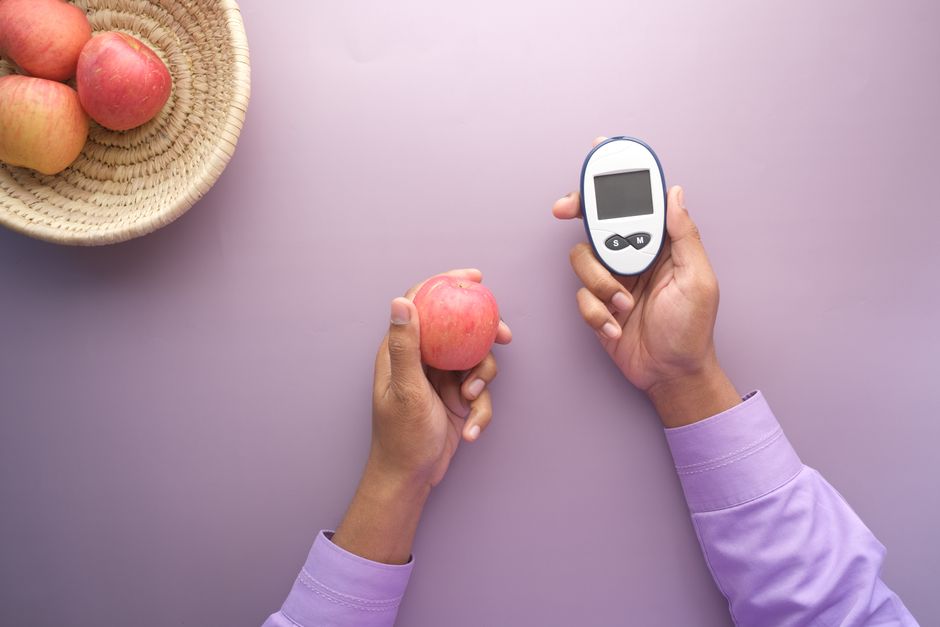
Glucose gel is a fast-acting source of carbohydrate used to raise blood sugar quickly when someone is having a low blood sugar episode, also called hypoglycemia. The correct way to give it is to place a measured amount of gel between the cheek and gum, where it is absorbed through the lining of the mouth, and never to give it by mouth to someone who is unconscious, having a seizure, or unable to swallow safely. For a conscious adult, that usually means squeezing the contents of a standard 15-gram gel tube into the mouth along the gum line, then waiting about 15 minutes and rechecking blood sugar.
What Is Glucose Gel and When Should You Use It?
Glucose gel is a thick, pre-measured sugar paste sold in single-use tubes. Most tubes contain 15 grams of carbohydrate, which matches the amount used in the standard “rule of 15” for treating low blood sugar.
Hypoglycemia is generally defined as a blood glucose level below 70 mg/dL for people with diabetes. Not everyone with a reading under 70 needs treatment. The number matters most when it comes with symptoms like shakiness, sweating, confusion, irritability, or a racing heart.
Glucose gel works because it delivers simple carbohydrate that can be absorbed quickly. Some of it is absorbed directly through the mucous membranes in the mouth, and the rest is swallowed and digested. This is one reason gel is often recommended over a candy bar or a glass of milk. Fat and protein slow the rise in blood sugar, and during a low episode speed is the whole point.
Gel is especially useful when a person cannot or will not drink juice or eat food. It is also easy to carry, does not need refrigeration, and holds up in a purse, glove box, or gym bag.
How To Properly Administer Glucose Gel to a Conscious Person
Start by confirming the person is awake, alert enough to swallow, and showing signs of low blood sugar. If they can follow a simple command or answer a question, they can usually take gel by mouth.
Here is the sequence that matches standard hypoglycemia treatment:
- Check blood sugar if a meter or continuous glucose monitor is available. Treat based on symptoms if you cannot check.
- Squeeze the full contents of a 15-gram tube into the mouth, aiming between the cheek and the gum rather than straight down the throat.
- Let it sit. Do not force the person to swallow it all at once. The gel can be absorbed through the cheek lining.
- Wait 15 minutes, then recheck blood sugar.
- If blood sugar is still below 70 mg/dL, repeat with another 15 grams.
- Once blood sugar is back above 70 mg/dL, have the person eat a small snack with carbohydrate and protein if their next meal is more than an hour away.
This 15-gram, 15-minute cycle is the widely used approach for treating mild to moderate hypoglycemia in people who are conscious and able to swallow. It is not a dosing guideline for infants or young children, where the amount depends on body weight and should come from a clinician.
What If the Person Is Unconscious or Having a Seizure?
Never put glucose gel, juice, food, or any liquid into the mouth of someone who is unconscious, seizing, or unable to swallow. It can be inhaled into the lungs and cause choking or aspiration, which can be life-threatening.
In this situation, call 911 immediately. If the person has been prescribed injectable glucagon or a nasal glucagon product, this is when it is used. Glucagon is a hormone that signals the liver to release stored glucose. It works by a different route than gel and does not require swallowing.
If you are not trained on glucagon and do not have it available, keep the person safe, turn them on their side if they are vomiting, and wait for emergency help. Do not attempt to give anything by mouth.
Some caregivers are taught to rub a small amount of gel or sugar paste inside the cheek of an unconscious person. This is not a substitute for emergency care, and the practice is not a reliable way to raise blood sugar on its own. The priority is calling for help and using glucagon if it is available.
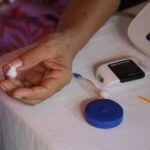

How Much Glucose Gel Should You Give?
For a conscious adult or a child old enough to swallow safely, the standard starting amount is 15 grams of fast-acting carbohydrate. That is one full tube of most glucose gel products.
After 15 minutes, recheck. If the reading is still below 70 mg/dL, give another 15 grams. Repeat this cycle until blood sugar is back in a safer range.
Once blood sugar is corrected, the goal shifts to keeping it stable. A snack that combines carbohydrate with protein or fat, such as crackers with peanut butter or cheese, helps prevent another drop. This step matters because the fast sugar from the gel is used up quickly.
For young children, the amount is smaller and depends on weight. No single universal dose applies to all children. Follow the plan your child’s care team has given you, and if you do not have one, contact them or emergency services.
Why Not Just Use Juice, Candy, or Soda?
Those options can work. Juice, regular soda, glucose tablets, and hard candy are all common ways to treat a low. Glucose gel is simply one tool in the same category.
Gel has a few practical advantages. It is pre-measured, so you do not have to guess how much sugar you are giving. It does not spill. It is easy to store for long periods. And it can be placed in the cheek if swallowing is difficult but the person is still alert.
One thing gel is not is a treatment for high blood sugar. Giving carbohydrate to someone whose blood sugar is already high will push it higher. This is why checking blood sugar first, when you can, matters.
Common Mistakes to Avoid
Most problems with glucose gel come from giving it in the wrong situation or the wrong way, not from the product itself.
- Giving gel by mouth to someone who is unconscious or seizing.
- Giving too little and stopping before blood sugar recovers.
- Forgetting to recheck after 15 minutes.
- Skipping the follow-up snack and letting blood sugar drop again.
- Assuming a high-sugar candy bar is equal to gel. Fat slows absorption.
- Treating a number on a meter without checking for symptoms or confirming the reading.
A low reading on a meter is not always a true low. Cold hands, a wet finger, or a small sample can produce a false result. If the number does not match how the person looks and feels, clean the finger, retest, and treat based on the whole picture.
When to Get Emergency Help
Call 911 if the person is unconscious, having a seizure, cannot be woken, or does not improve after treatment. Call for help if they are vomiting, have trouble breathing, or if you are unsure what is happening.
Repeated low blood sugar episodes are a sign that something in the treatment plan needs to change. They are worth reporting to a clinician rather than managing alone. Frequent lows can be caused by medication timing, missed meals, activity, or other factors that a care team can help sort out.
Glucose gel is a simple, effective tool for a specific problem. Used correctly, it can bring blood sugar back up within minutes. Used in the wrong situation, it can be dangerous. Knowing the difference is the whole skill.
Frequently Asked Questions
How do you give glucose gel to someone with low blood sugar?
Squeeze 15 grams of gel between the cheek and gum in a person who is awake and able to swallow, then recheck blood sugar after 15 minutes. Repeat if the reading is still below 70 mg/dL.
Can you give glucose gel to an unconscious person?
No. Never put gel or any food or liquid into the mouth of someone who is unconscious, seizing, or unable to swallow, because it can be inhaled into the lungs. Call 911 and use glucagon if it is available.
How long does glucose gel take to raise blood sugar?
It usually starts raising blood sugar within about 10 to 15 minutes, which is why the standard advice is to wait 15 minutes before rechecking. If it has not worked by then, give another 15 grams.
Is glucose gel better than juice or candy for a low?
It is not necessarily better, but it is pre-measured and easy to use when swallowing is hard. Juice, regular soda, and glucose tablets are also standard options for treating a low.
