

Blood glucose rises after you eat and settles when insulin moves that sugar into your cells. You control that process through a small set of levers: what you eat, how well you sleep, how much you move, and how you manage stress. No single one of these does the whole job, but together they shape your blood sugar more than most people realize.
This matters whether you have diabetes or not. Roughly 1 in 3 American adults has prediabetes, according to the CDC, and most of them do not know it. The habits below are not a treatment plan. They are the everyday factors that influence glucose, explained honestly, including where the evidence is strong and where it is thin.
What Actually Controls Blood Glucose In The Body?
Two hormones do most of the work: insulin and glucagon. Insulin is released by the pancreas when glucose enters your blood, and it signals cells to take that glucose in. Glucagon does the opposite. When blood sugar drops, it tells the liver to release stored glucose.
This is a constant balancing act. Your liver releases glucose overnight and between meals even if you eat nothing. That is why fasting glucose is a real number and not just a reflection of your last meal.
Blood sugar is also influenced by hormones that have nothing to do with food. Cortisol, the stress hormone, raises glucose. So does adrenaline. This is normal physiology, not a malfunction. It becomes a problem when the signals stay elevated for long periods or when cells stop responding to insulin well.
Insulin resistance is the key concept here. When cells respond poorly to insulin, the pancreas compensates by making more. For a while, blood sugar stays normal. Eventually the pancreas cannot keep up, and glucose starts to climb. That slow progression is why prediabetes develops quietly, often over years.
How To Control Blood Glucose Diet Sleep And More
Diet and sleep are the two levers with the clearest evidence behind them, and they interact more than people expect. Poor sleep makes the body less sensitive to insulin, and a single short night can measurably affect glucose handling the next day.
Diet
Carbohydrates raise blood sugar. That is not a flaw — it is what they do. The question is how much, how fast, and what you eat alongside them.
Fiber slows digestion and blunts the glucose spike from a meal. Protein and fat also slow how quickly carbohydrates reach your bloodstream. This is why an apple affects blood sugar differently than apple juice, even with similar sugar content. The fiber matrix matters.
Food order appears to matter too. Some studies suggest eating vegetables or protein before starchy carbohydrates at a meal produces a smaller glucose rise than eating the starch first. The effect is real but modest. It is a useful habit, not a substitute for the bigger picture.
What the bigger picture looks like, based on consistent evidence:
- Whole grains, legumes, vegetables, and whole fruit are associated with better glucose control than refined grains and added sugars.
- Highly processed foods and sugary drinks produce rapid glucose spikes and are consistently linked to worse metabolic outcomes.
- There is no single “diabetic diet.” Mediterranean-style and low-carbohydrate approaches have both shown benefit in trials, and people adhere to different plans differently.
One clarification worth making: “complex carbohydrate” is not a reliable guide on its own. White bread and white potatoes are technically complex carbohydrates and raise blood sugar quickly. The more useful question is how processed the food is and what else is on the plate.
Sleep
Short sleep and poor sleep quality both reduce insulin sensitivity. Research has found that even a few nights of restricted sleep can worsen glucose tolerance in healthy adults. The effect is not permanent, but it is real and it repeats every time sleep is cut short.
Sleep apnea deserves specific mention. It is common, often undiagnosed, and strongly associated with insulin resistance and type 2 diabetes. If you snore heavily, wake unrefreshed, or feel sleepy during the day, that is worth raising with a clinician. Treating apnea can improve glucose control, though the size of the effect varies by person.
Movement
Muscles take up glucose during activity, and they can do it without much insulin. A short walk after a meal lowers the glucose rise from that meal in most studies. The effect is not dramatic, but it is reliable and requires no equipment.
Regular exercise improves insulin sensitivity over time. Both aerobic activity and resistance training help, and combining them appears to work better than either alone. Breaking up long sitting periods with brief movement also helps, which matters for anyone with a desk job.
Stress
Chronic stress raises cortisol, and cortisol raises blood glucose. The evidence that stress management directly improves glucose control is mixed. Some studies show benefit from relaxation practices and mindfulness; others show small or inconsistent effects. Managing stress is reasonable for many reasons. Treating it as a proven glucose treatment overstates what the research shows.
Does Sleep Really Affect Blood Sugar?
Yes, and the effect is measurable. Restricted sleep reduces insulin sensitivity and raises morning glucose in controlled studies. The mechanism involves cortisol, changes in appetite hormones, and altered glucose metabolism during sleep itself.
Sleep duration and sleep quality are separate issues. Someone can be in bed for eight hours and still get poor-quality sleep. Both matter.
There is also a practical loop here. High blood sugar can cause nighttime urination, which fragments sleep, which worsens glucose control. Poor sleep also tends to increase appetite for high-calorie, high-carbohydrate foods the next day. The relationship runs in both directions.


What Do Blood Glucose Numbers Actually Mean?
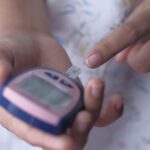
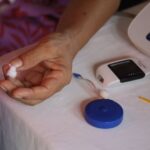
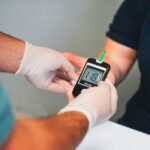
These ranges are well established and used clinically. They apply to adults without pregnancy or other specific conditions.
| Measure | Normal | Prediabetes | Diabetes |
|---|---|---|---|
| Fasting glucose | 70–99 mg/dL | 100–125 mg/dL | 126 mg/dL or higher |
| A1C | Below 5.7% | 5.7%–6.4% | 6.5% or higher |
| 2-hour oral glucose tolerance test | Below 140 mg/dL | 140–199 mg/dL | 200 mg/dL or higher |
These are diagnostic thresholds, not targets for everyone managing diabetes. Individual targets are set with a clinician and vary by age, other health conditions, and medication use.
One point people often miss: a single high reading does not diagnose anything. Diagnosis requires repeat testing or a confirmatory test on a different day, because stress, illness, and even a poor night’s sleep can push a single number up.
Which Habits Have The Strongest Evidence?
Not all glucose advice is equally supported. Here is an honest ranking.
Strong evidence: Weight loss in people with excess weight and prediabetes substantially reduces progression to type 2 diabetes. This comes from large trials, including the Diabetes Prevention Program, which found that intensive lifestyle change worked better than medication in that population. Regular physical activity, adequate sleep, and limiting sugary drinks are also well supported.
Moderate evidence: Specific eating patterns such as Mediterranean-style diets and lower-carbohydrate approaches improve glucose control in trials. Fiber intake is consistently linked to better outcomes. Meal timing and food order show measurable but smaller effects.
Limited or mixed evidence: Many supplements marketed for blood sugar have weak or inconsistent human trial data. Claims about specific spices, vinegars, and “glucose-lowering” teas are usually based on small studies or lab research, not large human trials. No clinical evidence currently confirms that most of these products meaningfully change glucose control in real use.
Continuous glucose monitors are increasingly popular among people without diabetes. They provide useful feedback, but no large trials have shown that using one improves outcomes in healthy people. They are a tool, not a treatment.
When Should You See A Doctor?
Talk to a clinician if you have symptoms that could indicate high blood sugar: unusual thirst, frequent urination, unexplained weight loss, blurred vision, or slow-healing wounds. These warrant prompt evaluation, not watchful waiting.
Get screened if you have risk factors. The American Diabetes Association recommends screening for adults with overweight or obesity and one or more additional risk factors, and routine screening for all adults starting at age 35. If you have not been screened recently, that is a reasonable conversation to have.
Prediabetes is worth taking seriously. It is not a guarantee of diabetes, and in many people it can be reversed with sustained lifestyle change. But it does not reverse on its own, and it does not reverse from a single habit change. The levers work together.
Frequently Asked Questions
What is a normal blood sugar level?
A normal fasting glucose is 70–99 mg/dL, and a normal A1C is below 5.7%. Values above these ranges suggest prediabetes or diabetes and should be confirmed with repeat testing.
Does walking after meals lower blood sugar?
Yes, a short walk after eating lowers the glucose rise from that meal in most studies. The effect is modest but reliable, and it does not require intense exercise.
Can poor sleep raise blood sugar?
Yes, restricted sleep reduces insulin sensitivity and can raise morning glucose. Sleep apnea in particular is strongly linked to insulin resistance and often goes undiagnosed.
Can you reverse prediabetes?
In many people, yes. Large trials show that sustained weight loss and lifestyle change substantially reduce progression to type 2 diabetes, though results vary by person.
